
Language becomes unforgettable when it captures emotion, and few emotions inspire more vivid expression than love. A simile is a figure of speech that compares two unlike things using “like” or “as,” transforming abstract feelings into images readers can see, feel, and remember. Love, in particular, gives writers endless inspiration because it touches nearly every part of the human experience—joy, longing, comfort, and even quiet uncertainty. When we say someone’s love is “like a warm fire on a cold night” or their heart feels “as light as a feather,” we instantly understand something deep without needing lengthy explanation.
Figurative language like this matters because it engages the imagination, builds emotional connection, and makes writing far more moving and memorable. While trees often symbolize strength, growth, resilience, and quiet wisdom in literature, love similes capture something equally profound: the tenderness, devotion, and vulnerability that define human connection. Both draw from the natural world and everyday life to express what plain words sometimes cannot fully reach. In this article, we’ll explore what similes are and walk through fifteen original love similes you can use to add clarity, imagery, and emotional depth to your writing.
What Is a Simile?
A simile is a comparison between two different things using the words “like” or “as,” designed to highlight a shared quality between them in a vivid, imaginative way. For example, “Her love was like sunlight breaking through the clouds” compares love to sunlight, instantly conveying warmth, hope, and gentle relief. This simple structure makes similes one of the most powerful and accessible tools in figurative language.
As Warm as a Fire on a Winter’s Night
Meaning:
This simile describes love that feels comforting, protective, and deeply reassuring, especially during difficult times.
Usage Insight:
It works best when portraying steady, dependable love in fiction or reflective writing, particularly during emotionally vulnerable scenes.
Examples:
- His presence felt as warm as a fire on a winter’s night, chasing away every worry she carried.
- Their marriage remained as warm as a fire on a winter’s night, even after decades together.
Like Roots Growing Deeper Into the Earth
Meaning:
This phrase represents love that strengthens quietly over time, becoming more stable and unshakable with every passing year.
Usage Insight:
Ideal for describing long-term relationships or enduring family bonds in essays, novels, or heartfelt letters.
Examples:
- Their bond grew like roots growing deeper into the earth, stronger with every challenge they faced together.
- Her love for her children was like roots growing deeper into the earth, quiet but impossible to shake.
As Gentle as Morning Light
Meaning:
This simile describes love that is soft, soothing, and quietly comforting, without demanding attention or drama.
Usage Insight:
Works beautifully in poetry or slow, tender scenes where subtlety carries more emotional weight than intensity.
Examples:
- His affection was as gentle as morning light, easing her fears without a single word.
- She loved him as gentle as morning light, patient and endlessly forgiving.
Like Two Rivers Merging Into One
Meaning:
This phrase describes two lives, personalities, or histories blending together completely and naturally.
Usage Insight:
Best suited for describing marriage, deep partnerships, or pivotal turning points in romantic storytelling.
Examples:
- Their lives merged like two rivers merging into one, inseparable from that moment forward.
- Growing older together felt like two rivers merging into one, each shaping the other’s course.
As Steady as an Old Oak Tree
Meaning:
This simile represents love that is reliable, unwavering, and able to withstand hardship without breaking.
Usage Insight:
Effective for portraying loyal partners, lifelong friendships, or dependable family relationships in reflective narratives.
Examples:
- Her devotion remained as steady as an old oak tree, even through the family’s hardest years.
- He stood by her as steady as an old oak tree, unmoved by every storm life brought.
Like a Melody You Can’t Forget
Meaning:
This phrase describes a love that lingers in the mind and heart long after a moment has passed.
Usage Insight:
Perfect for nostalgic writing, describing first love, or reflecting on meaningful memories in personal essays or fiction.
Examples:
- Their first meeting stayed with her like a melody you can’t forget, replaying softly for years.
- His voice lingered in her memory like a melody you can’t forget, warm and familiar.
As Fragile as a Snowflake

Meaning:
This simile conveys love that feels delicate, uncertain, or easily disrupted, often in its early or vulnerable stages.
Usage Insight:
Useful for depicting new relationships, first romances, or emotionally cautious characters in coming-of-age stories.
Examples:
- Their new relationship felt as fragile as a snowflake, beautiful yet easy to disturb.
- She guarded her feelings as fragile as a snowflake, afraid one wrong word might melt them away.
Like a Lighthouse Guiding Ships Home
Meaning:
This phrase describes love that offers direction, safety, and hope during uncertain or difficult times.
Usage Insight:
Works well when portraying supportive partners or mentors who provide emotional stability during a character’s struggles.
Examples:
- Her encouragement was like a lighthouse guiding ships home whenever he felt completely lost.
- Their friendship became like a lighthouse guiding ships home during the darkest years of his life.
As Comforting as a Familiar Song
Meaning:
This simile represents love that feels safe, nostalgic, and instantly reassuring, much like a beloved tune from the past.
Usage Insight:
Ideal for describing long-term relationships or reunions where familiarity brings deep emotional comfort.
Examples:
- Coming home to him felt as comforting as a familiar song after a long, exhausting day.
- Her voice was as comforting as a familiar song, instantly easing years of distance between them.
Like Sunlight Breaking Through Storm Clouds
Meaning:
This phrase describes love that arrives unexpectedly, bringing hope and relief after a period of sadness or hardship.
Usage Insight:
Effective for pivotal emotional turning points in fiction, especially after loss, heartbreak, or prolonged struggle.
Examples:
- Meeting her felt like sunlight breaking through storm clouds after years of quiet loneliness.
- His kindness arrived like sunlight breaking through storm clouds during her hardest winter.
As Enduring as the Tide
Meaning:
This simile conveys love that returns again and again, constant and unwavering despite life’s natural changes.
Usage Insight:
Best used for describing lifelong devotion, long-distance relationships, or love that survives time and distance.
Examples:
- His loyalty remained as enduring as the tide, faithfully returning no matter how far he traveled.
- Their connection stayed as enduring as the tide, pulling them back together time after time.
Like a Flame That Refuses to Die
Meaning:
This phrase describes passionate, persistent love that continues burning despite challenges or the passage of time.
Usage Insight:
Powerful for describing rekindled romance, long-held feelings, or emotionally intense declarations in fiction and poetry.
Examples:
- Her feelings for him remained like a flame that refuses to die, even after years apart.
- Their passion burned like a flame that refuses to die, undimmed by distance or time.
As Tender as a Mother’s Touch
Meaning:
This simile represents love that is nurturing, protective, and deeply gentle in nature.
Usage Insight:
Ideal for describing parental love, caregiving relationships, or moments of emotional healing in reflective writing.
Examples:
- Her care for him was as tender as a mother’s touch, soft yet quietly powerful.
- He held her as tender as a mother’s touch, offering comfort without a single word.
Like Stars Guiding the Night Sky
Meaning:
This phrase describes love that provides constant guidance, hope, and quiet reassurance, especially during uncertain times.
Usage Insight:
Effective for describing enduring guidance from a partner, mentor, or loved one throughout life’s journey.
Examples:
- Her wisdom guided him like stars guiding the night sky through every difficult decision.
- Their love felt like stars guiding the night sky, steady even in the darkest moments.
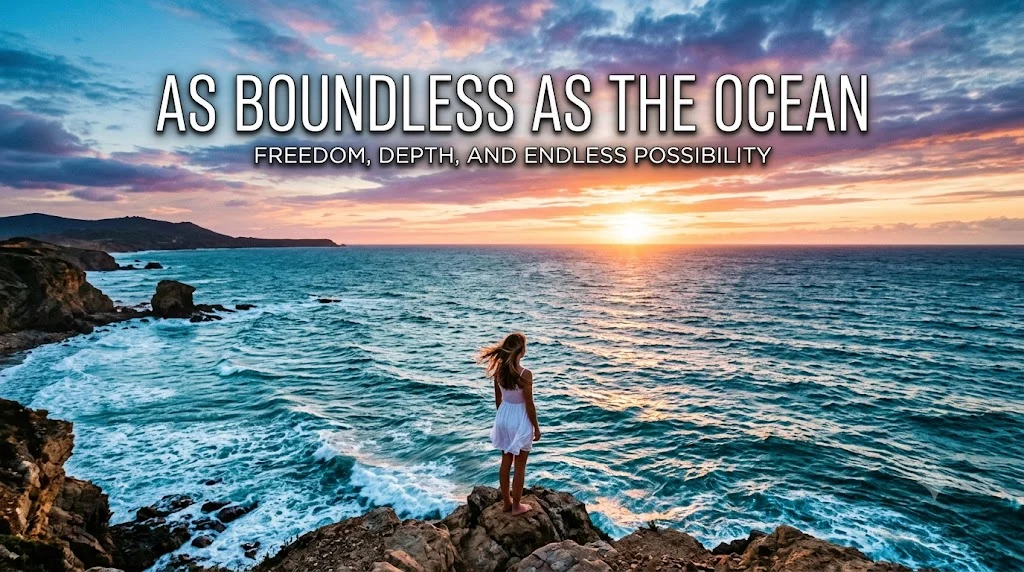
As Boundless as the Ocean
Meaning:
This simile conveys love that feels limitless, deep, and impossible to fully measure.
Usage Insight:
Best suited for grand romantic declarations, poetry, or emotionally powerful conclusions in storytelling.
Examples:
- His love for her felt as boundless as the ocean, deep enough to hold every fear she carried.
- Her devotion to her family remained as boundless as the ocean, endless and unwavering.
How to Use Similes Effectively in Writing
Similes are powerful, but only when used with intention. Here are practical tips for different types of writing:
For Poems: Choose similes that evoke sensory detail and emotional resonance. Focus on rhythm and sound, letting the comparison enhance the poem’s mood rather than overpowering it.
For Stories: Use similes to reveal character emotions or build atmosphere without slowing the pace. A well-placed simile during a tender or pivotal moment can deepen the reader’s connection instantly.
For Essays: Similes should clarify complex emotions, not decorate them unnecessarily. Use them sparingly to make abstract feelings more relatable to readers.
For Songs: Prioritize similes that are catchy, easy to remember, and emotionally direct. Simplicity often works better than complexity in lyrical writing.
For Creative Descriptions: Combine similes with strong verbs and specific nouns to avoid clichés. Fresh, original comparisons leave a stronger impression than overused phrases like “love is a rose.”
Above all, avoid overloading your writing with too many similes—one well-chosen comparison often has more impact than five scattered throughout a paragraph.
FAQs
1. What are love similes?
Love similes are comparisons that use “like” or “as” to link love and affection with familiar images—such as fire, light, or nature—making emotions more vivid and relatable in writing.
2. What is the difference between a simile and a metaphor?
A simile explicitly compares two things using “like” or “as” (e.g., “her love was like sunlight”), while a metaphor states that one thing is another without those words (e.g., “her love was sunlight”). Both are forms of figurative language, but similes are generally softer and more explicit comparisons.
3. Why are similes important in literature, especially in romantic writing?
Similes help writers express deep emotion, create imagery, and connect readers to feelings that are often difficult to describe directly. They make romantic writing feel more authentic and emotionally resonant.
4. Can love similes be used in academic or formal writing? Y
es, though sparingly. In academic writing, similes can make emotional or psychological concepts more relatable, but they should be used carefully to maintain a professional, objective tone.
5. How do I create my own original love similes?
Start by identifying the specific feeling you want to express, then think of an image from nature or daily life that naturally shares that quality. Avoid clichés by pairing emotions with fresh, less common comparisons.
Conclusion
Love similes remind us that some emotions are too vast and complex to describe with plain words alone, which is why figurative language matters so deeply in storytelling. From the steady strength of an old oak tree to the boundless depth of the ocean, these fifteen comparisons show how similes can transform simple sentences into powerful, emotionally rich imagery. Whether you’re writing poetry, fiction, essays, or song lyrics, similes offer a beautiful way to add clarity, warmth, and emotional depth to your words. The best writing doesn’t just describe love—it helps readers feel it, and love similes are one of the most effective tools for doing exactly that. So the next time you sit down to write about love, look to the world around you, and let nature and emotion guide your words toward something truly unforgettable.