
Love is one of the most powerful emotions we experience, yet it is often difficult to describe using ordinary words alone. A simile helps solve this challenge by comparing love to something familiar, using connecting words like like or as, allowing readers to feel emotions rather than just read about them. Similes matter in figurative language because they transform abstract feelings into vivid, relatable images that stay in our minds long after we read them. When it comes to describing love, similes help express warmth, depth, comfort, and connection in ways that plain language often cannot capture.
Interestingly, trees have long stood as powerful symbols of strength, growth, resilience, and wisdom, making them a beautiful and natural inspiration for love-based comparisons. A tree that grows steadily through changing seasons reflects a love that deepens with time, while its strong roots represent the stability found in true devotion. This connection between nature and human emotion is exactly why nature-inspired similes about love feel so meaningful and comforting. In this article, we will explore similes about love in detail, understand how similes function, and learn how to use them effectively in poetry, storytelling, and everyday writing.
What Is a Simile?
A simile is a figure of speech that compares two different things using words such as like or as, helping readers visualize emotions, qualities, or experiences more clearly. For example, saying her love felt like sunlight breaking through storm clouds instantly communicates warmth, relief, and hope without lengthy explanation. Similes are widely used in poetry, songs, novels, and everyday conversation because they make emotional language more vivid and relatable.
Love Like Roots Growing Deep Into the Earth
This simile compares love to the way tree roots grow steadily and silently beneath the ground, forming a strong and unshakable foundation. It works best when describing long-term relationships built on trust, patience, and quiet strength. Writers often use this comparison in reflective or romantic writing about lasting commitment.
- Their love grew like roots growing deep into the earth, steady and unshaken by time.
- Even through hardship, her devotion felt like roots growing deep into the earth, holding everything together.
Love as Warm as a Summer Sunrise
This simile highlights gentle warmth, hope, and comfort, comparing love to the soft glow of a sunrise breaking over the horizon. It suits moments describing new relationships, emotional healing, or renewed happiness. This comparison works well in poetry and heartfelt storytelling.
- His presence felt love as warm as a summer sunrise, gentle and full of promise.
- Her smile brought love as warm as a summer sunrise into every quiet morning.
Love Like a River Finding Its Way Home
This simile represents love that feels natural, inevitable, and destined, much like a river that always finds its path back to the sea. It works best in romantic writing that emphasizes fate, connection, or emotional certainty. This comparison adds a poetic, flowing rhythm to love descriptions.
- Meeting him felt like a river finding its way home, calm and undeniable.
- Their love moved like a river finding its way home, steady through every twist and turn.
Gentle as Moonlight Falling on Still Water
This simile emphasizes softness, calmness, and quiet beauty, comparing love to moonlight reflecting peacefully on a still lake. It suits emotional, intimate moments in storytelling or poetry. This comparison adds a dreamy, tender tone to romantic descriptions.
- Her touch felt gentle as moonlight falling on still water, calming his restless heart.
- Their late-night conversations felt gentle as moonlight falling on still water, peaceful and sincere.
Love Like a Flame That Refuses to Fade
This simile compares love to a flame that continues burning despite wind, time, or distance, symbolizing passion and endurance. It works well when describing enduring relationships or emotional resilience. This comparison suits dramatic or emotionally intense writing.
- Their love burned like a flame that refuses to fade, even after years apart.
- His devotion remained love like a flame that refuses to fade, steady through every storm.
Strong as an Ancient Oak Standing Through Every Storm
This simile symbolizes emotional strength, stability, and resilience, comparing love to an old oak tree that withstands harsh weather. It works best when describing relationships that survive hardship and remain unbroken. This comparison strengthens writing focused on endurance and loyalty.
- Their bond stayed strong as an ancient oak standing through every storm, unwavering and true.
- Her love proved strong as an ancient oak standing through every storm, resilient and deeply rooted.
Love Like Sunlight Breaking Through Storm Clouds

This simile represents hope and emotional relief, comparing love to sunlight appearing after a difficult storm. It suits moments of healing, forgiveness, or renewed happiness in relationships. This comparison adds emotional contrast between struggle and comfort.
- His forgiveness felt love like sunlight breaking through storm clouds, warm and freeing.
- Her kindness arrived like sunlight breaking through storm clouds, brightening his heaviest days.
Sweet as Honey Dripping Slowly From a Comb
This simile emphasizes tenderness, warmth, and gentle affection, comparing love to honey flowing slowly and richly. It works well when describing soft, comforting emotional moments. This comparison suits romantic poetry and heartfelt letters.
- Her words felt sweet as honey dripping slowly from a comb, comforting and sincere.
- Their affection grew sweet as honey dripping slowly from a comb, warm and unhurried.
Love Like a Garden That Blooms With Patient Care
This simile compares love to a garden that grows beautifully through consistent effort, patience, and nurturing. It works best when describing relationships built through mutual effort and understanding. This comparison suits reflective essays and long-term romantic storytelling.
- Their relationship flourished like a garden that blooms with patient care, nurtured daily.
- Her heart grew love like a garden that blooms with patient care, steady and full of life.
Calm as a Quiet Harbor After a Long Voyage
This simile represents peace, safety, and relief, comparing love to a calm harbor welcoming a tired traveler home. It suits emotional reunions or relationships that offer comfort and stability. This comparison works beautifully in reflective and romantic writing.
- Being with her felt calm as a quiet harbor after a long voyage, safe and reassuring.
- His embrace felt calm as a quiet harbor after a long voyage, peaceful and familiar.
Love Like Stars Guiding a Traveler Through the Dark
This simile symbolizes guidance, hope, and constancy, comparing love to stars that help travelers find their way at night. It works well when describing relationships that provide direction and emotional support. This comparison adds depth to inspirational or romantic writing.
- Her support felt love like stars guiding a traveler through the dark, steady and comforting.
- His faith in her shone love like stars guiding a traveler through the dark, constant and true.
Tender as Morning Dew Resting on Fresh Petals
This simile highlights softness, purity, and gentle beauty, comparing love to delicate morning dew resting quietly on flowers. It suits early relationships or tender emotional moments. This comparison works well in poetry and delicate romantic descriptions.
- Her affection felt tender as morning dew resting on fresh petals, soft and pure.
- Their new love felt tender as morning dew resting on fresh petals, delicate yet real.
Love Like a Melody That Lingers Long After the Song Ends
This simile compares love to music that continues resonating in memory long after it stops playing. It works best when describing lasting emotional impact or nostalgic love. This comparison suits reflective, emotional, and lyrical writing styles.
- Their time together felt like a melody that lingers long after the song ends, unforgettable and warm.
- Her memory remained love like a melody that lingers long after the song ends, quiet yet powerful.
Steady as a Lighthouse Guarding the Shore
This simile represents reliability, protection, and unwavering support, comparing love to a lighthouse guiding ships safely home. It suits relationships built on trust and dependability. This comparison strengthens writing focused on emotional security.
- His loyalty stood steady as a lighthouse guarding the shore, dependable through every storm.
- Her presence felt steady as a lighthouse guarding the shore, safe and comforting.
Love Like Rain Nourishing Dry and Weary Ground
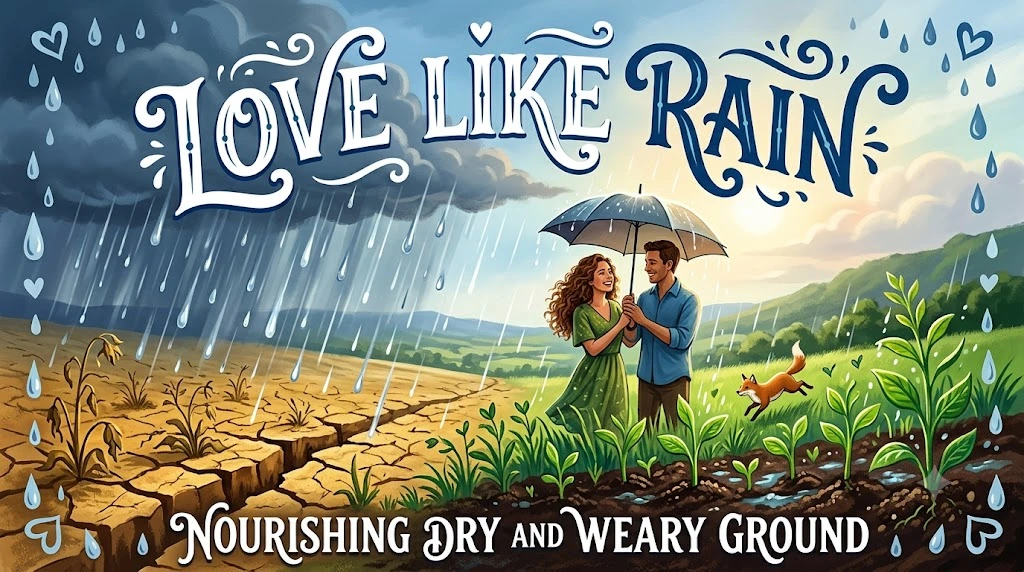
This simile symbolizes healing, renewal, and emotional restoration, comparing love to rain reviving parched earth. It works well when describing relationships that bring comfort after hardship. This comparison adds emotional depth to healing-focused storytelling.
- Her kindness felt love like rain nourishing dry and weary ground, healing and gentle.
- His support arrived love like rain nourishing dry and weary ground, restoring hope quietly.
How to Use Similes Effectively in Writing
Similes work best when they feel natural and emotionally honest rather than forced or overly complicated. For creative descriptions, blending nature-based and everyday similes keeps love-themed writing fresh, relatable, and emotionally rich.
FAQs
What are similes about love?
Similes about love are comparisons that describe romantic feelings, emotional connection, or affection using words like like or as.
What is the difference between a simile and a metaphor?
A simile compares two things using like or as, while a metaphor directly states that one thing is another without comparison words.
Are similes used in academic writing?
Yes, similes appear in academic writing occasionally to clarify emotional or abstract concepts, though they are more common in creative writing.
Why do writers use nature-based similes for love?
Nature offers universally understood imagery, such as trees, rivers, and sunlight, making emotional comparisons feel relatable and deeply meaningful.
Can beginners use similes effectively in romantic writing?
Absolutely, beginners can start with simple, familiar comparisons and gradually explore more creative and original similes over time.
conclusion
Similes remain one of the most powerful tools in language because they transform abstract emotions into vivid, unforgettable imagery that readers truly feel. Through similes about love, writers can capture warmth, devotion, and emotional depth in ways that feel both relatable and deeply poetic. Whether inspired by sunlight, rivers, or the quiet strength of ancient trees, these comparisons connect human emotion with the natural world in beautiful harmony. By using similes thoughtfully, writers can add clarity, imagery, and emotional depth to their work, making love not just a feeling, but a truly unforgettable experience expressed through language.