
Courage is one of the most inspiring emotions a person can feel, yet it’s often difficult to describe in plain words alone. That’s where similes come in, offering a simple way to compare courage to something familiar so readers can truly feel its strength. A simile is a figure of speech that uses “like” or “as” to connect two different things, helping abstract emotions become vivid and easy to picture. Similes matter in figurative language because they turn invisible feelings, like bravery, fear, or determination, into images readers can see, touch, and understand instantly.
Nature has always offered some of the richest imagery for these comparisons, and trees in particular stand as powerful symbols of strength, growth, resilience, and wisdom. A tree that bends in a storm but refuses to break mirrors the same quiet courage found in people who face hardship without giving up. Just as trees grow stronger with each season they survive, courage often grows through difficulty rather than despite it. This article brings together fifteen original, nature-inspired similes that capture the many faces of courage, perfect for writers, poets, and storytellers who want their words to carry real emotional weight.
What Is a Simile?
A simile is a figure of speech that compares two different things using the words “like” or “as,” helping a writer make a description more vivid, relatable, or emotionally powerful. Similes work by borrowing the qualities of something familiar to help readers instantly understand a feeling or image that might otherwise be difficult to express. A strong example of this is the phrase “brave as an oak standing firm in a storm,” which turns the abstract idea of courage into a clear, natural image the reader can immediately picture.
1. Brave as an Oak Standing Firm in a Storm
Meaning:
This simile compares courage to a strong tree that refuses to bend or break under pressure, symbolizing unshakable inner strength.
Usage Insight:
This works best when describing steady, quiet courage in the face of ongoing hardship, especially in stories about resilience or long-term struggle rather than sudden bravery.
Example Sentences:
- Even as the layoffs continued around her, she remained brave as an oak standing firm in a storm, steady when everyone else began to panic.
- He faced the diagnosis brave as an oak standing firm in a storm, refusing to let fear uproot his hope.
2. Courageous Like a Lion Stepping Into Unfamiliar Territory
Meaning:
This simile reflects bold, confident courage, comparing bravery to an animal known for fearlessness venturing into the unknown.
Usage Insight:
This comparison suits moments of decisive action, such as starting something new or confronting a challenge head-on, making it ideal for motivational writing.
Example Sentences:
- She walked into the interview courageous like a lion stepping into unfamiliar territory, unwilling to let nerves hold her back.
- He approached the negotiation courageous like a lion stepping into unfamiliar territory, calm despite the uncertainty ahead.
3. Brave as a Mountain Climber Facing the Final Ascent
Meaning:
This simile captures determined courage near the hardest part of a challenge, symbolizing bravery mixed with exhaustion and resolve.
Usage Insight:
This works well for describing courage shown right before a difficult finish line, such as a final exam, a tough decision, or a demanding project.
Example Sentences:
- With only one round left, she felt brave as a mountain climber facing the final ascent, tired but determined to reach the top.
- He pushed forward brave as a mountain climber facing the final ascent, knowing the hardest part was also the closest to success.
4. Courageous Like a Seed Breaking Through Solid Ground
Meaning:
This simile reflects quiet, persistent courage, comparing bravery to a seed pushing upward despite pressure and resistance.
Usage Insight:
This comparison is ideal for stories about personal growth or recovery, where courage isn’t loud but steady and determined.
Example Sentences:
- Slowly rebuilding her life after the divorce, she felt courageous like a seed breaking through solid ground, pushing forward despite the weight above her.
- His recovery progressed courageous like a seed breaking through solid ground, small steps eventually leading to real change.
5. Brave as a Sailor Steering Through a Sudden Storm
Meaning:
This simile represents courage under immediate pressure, comparing bravery to someone staying in control during a dangerous, unpredictable moment.
Usage Insight:
This works especially well for high-stakes, fast-moving situations, such as emergencies or sudden crises, where quick, steady courage matters most.
Example Sentences:
- When the fire alarm sounded, she stayed brave as a sailor steering through a sudden storm, guiding her coworkers calmly outside.
- He handled the crisis brave as a sailor steering through a sudden storm, focused despite the chaos surrounding him.
6. Courageous Like a Wildflower Growing Through Cracked Concrete
Meaning:
This simile symbolizes courage against difficult odds, comparing bravery to life thriving in an environment that seems impossible to grow in.
Usage Insight:
This comparison suits stories of overcoming poverty, hardship, or unsupportive circumstances, giving strength a hopeful, visual quality.
Example Sentences:
- Despite growing up with so little, she became courageous like a wildflower growing through cracked concrete, finding light in the hardest conditions.
- His success felt courageous like a wildflower growing through cracked concrete, proof that strength can rise from the most unlikely places.
7. Brave as a Firefighter Walking Toward the Flames

Meaning:
This simile captures selfless courage, comparing bravery to someone moving directly toward danger in order to protect others.
Usage Insight:
This works best for describing acts of sacrifice or protection, especially in stories involving leadership, service, or putting others first.
Example Sentences:
- She stood up for her team brave as a firefighter walking toward the flames, unwilling to let them face the blame alone.
- He handled the confrontation brave as a firefighter walking toward the flames, protecting those who couldn’t protect themselves.
8. Courageous Like a River Carving Its Path Through Solid Rock
Meaning:
This simile reflects patient, persistent courage, comparing bravery to a force that reshapes obstacles slowly over time rather than all at once.
Usage Insight:
This comparison is powerful for long-term struggles, such as chronic illness, addiction recovery, or years-long goals, where courage requires endurance rather than a single act.
Example Sentences:
- Year after year, she remained courageous like a river carving its path through solid rock, reshaping her life one small decision at a time.
- His progress felt courageous like a river carving its path through solid rock, slow but undeniably powerful over time.
9. Brave as a Bird Leaving the Nest for the First Time
Meaning:
This simile represents the courage required to step into independence, comparing bravery to a young bird’s first uncertain flight.
Usage Insight:
This works well for coming-of-age stories, new beginnings, or major life transitions where fear and excitement exist side by side.
Example Sentences:
- Moving to a new city alone, she felt brave as a bird leaving the nest for the first time, nervous yet ready to fly.
- He started his first job brave as a bird leaving the nest for the first time, unsure but determined to succeed.
10. Courageous Like a Tree Regrowing After Being Struck by Lightning
Meaning:
This simile symbolizes courage after devastating loss, comparing bravery to nature’s ability to heal and grow again after severe damage.
Usage Insight:
This comparison is especially powerful for stories about trauma recovery or rebuilding life after a major setback, adding emotional depth without exaggeration.
Example Sentences:
- After losing everything in the fire, the family became courageous like a tree regrowing after being struck by lightning, determined to rebuild from nothing.
- Her healing felt courageous like a tree regrowing after being struck by lightning, slow but undeniably alive again.
11. Brave as a Soldier Standing Guard Through the Night
Meaning:
This simile captures steady, watchful courage, comparing bravery to someone remaining alert and protective despite exhaustion or fear.
Usage Insight:
This works well for describing responsibility, vigilance, or quiet endurance, especially in stories about caregiving or leadership under pressure.
Example Sentences:
- She stayed by her son’s hospital bed brave as a soldier standing guard through the night, refusing to let fear close her eyes.
- He carried the responsibility brave as a soldier standing guard through the night, steady even when no one else was watching.
12. Courageous Like a Mountain Goat Balancing on a Narrow Ledge
Meaning:
This simile reflects composed courage in uncertain or risky situations, comparing bravery to careful balance under pressure.
Usage Insight:
This comparison suits high-risk decisions or delicate situations, where courage requires precision as much as boldness.
Example Sentences:
- She handled the delicate negotiation courageous like a mountain goat balancing on a narrow ledge, calm despite the risk involved.
- He moved forward with the plan courageous like a mountain goat balancing on a narrow ledge, careful yet unafraid to proceed.
13. Brave as a Candle Refusing to Go Out in the Wind
Meaning:
This simile symbolizes fragile yet unyielding courage, comparing bravery to a small flame that continues burning despite forces trying to extinguish it.
Usage Insight:
This works especially well for describing hope and courage during vulnerable moments, such as illness or emotional hardship, where strength feels delicate but real.
Example Sentences:
- Even in her weakest days, she remained brave as a candle refusing to go out in the wind, holding on to hope no matter what.
- His determination stayed brave as a candle refusing to go out in the wind, fragile but never fully extinguished.
14. Courageous Like a Ship Setting Sail Into Unknown Waters
Meaning:
This simile represents the courage of stepping into uncertainty, comparing bravery to a journey with no guaranteed outcome.
Usage Insight:
This comparison is ideal for major life decisions, career changes, or bold new ventures, especially in motivational and reflective writing.
Example Sentences:
- Starting her own business, she felt courageous like a ship setting sail into unknown waters, hopeful despite the uncertainty ahead.
- He approached the new chapter of his life courageous like a ship setting sail into unknown waters, ready for whatever came next.
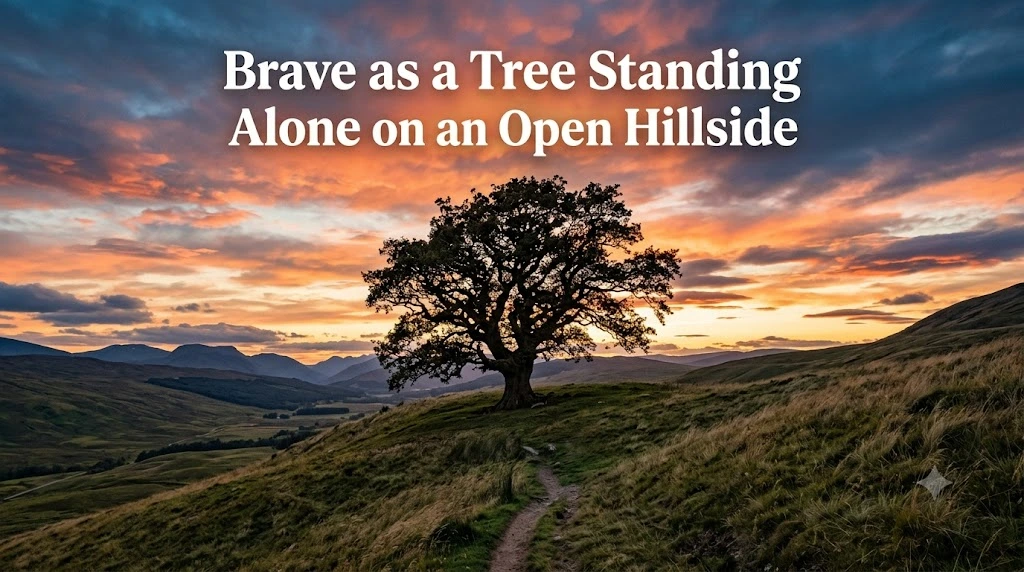
15. Brave as a Tree Standing Alone on an Open Hillside
Meaning:
This simile captures the courage of standing firm in isolation, comparing bravery to enduring exposure and hardship without support nearby.
Usage Insight:
This works well for stories about independence, unpopular decisions, or standing up for what’s right despite being alone in that stance.
Example Sentences:
- She defended her beliefs brave as a tree standing alone on an open hillside, unshaken even without anyone beside her.
- He faced the criticism brave as a tree standing alone on an open hillside, firm in his decision despite the pressure surrounding him.
How to Use Similes Effectively in Writing
Similes are simple tools, but using them well takes a bit of intention. Here are some practical tips for weaving them naturally into different types of writing.
- In poems: Choose similes that match the emotional rhythm of your lines, since nature-based imagery, like storms, roots, or mountains, often carries more weight than abstract comparisons.
- In stories: Use similes sparingly at pivotal emotional moments rather than in every sentence, so each comparison feels meaningful instead of overused.
- In essays: Similes can make personal or reflective essays more powerful, but keep them grounded so they support your message rather than distract from it.
- In songs: Favor similes with strong sensory or rhythmic qualities, since listeners connect faster with comparisons they can feel emotionally.
- In creative descriptions: Always ask whether the simile adds clarity or simply adds length; the best comparisons sharpen an image rather than crowd it.
- Across all forms: Avoid clichés when possible, and build original comparisons instead, the way this article’s fifteen courage similes draw from fresh, specific imagery rather than overused phrases.
FAQs
1. What are some good similes for courage?
Some effective courage similes include comparisons like “brave as an oak standing firm in a storm” or “courageous like a lion stepping into unfamiliar territory,” both of which use vivid imagery to express inner strength in a relatable way.
2. What is the difference between a simile and a metaphor?
A simile compares two things using “like” or “as,” such as “brave as a mountain climber facing the final ascent,” while a metaphor states that one thing is another without those connecting words, such as “her courage was a mountain climb.” Both are forms of figurative language, but metaphors feel more direct, while similes feel slightly softer and more descriptive.
3. Why are nature similes so common when describing courage?
Nature offers universal, easily recognizable imagery, such as storms, mountains, and growing trees, all of which naturally mirror emotional states like resilience, strength, and determination. This makes nature-based similes instantly relatable across different readers and cultures.
4. Can similes be used in academic writing?
Yes, similes can be used in academic writing, particularly in reflective essays, personal narratives, or literary analysis, though they should be used carefully and sparingly to maintain a professional and objective tone throughout the rest of the piece.
5. How do similes improve creative writing?
Similes improve creative writing by turning abstract emotions like courage into vivid, relatable images, helping readers feel a moment rather than simply read about it, which makes stories, poems, and essays more memorable and emotionally engaging.
Conclusion
Courage is one of the most powerful emotions a person can experience, yet it often needs the right words to be fully understood. By comparing bravery to steady oaks, rushing rivers, wildflowers breaking through concrete, and ships setting sail into the unknown, these courage similes transform an abstract feeling into something vivid and unforgettable. Each comparison adds clarity to complex emotions, imagery that lingers in the mind, and emotional depth that plain description simply cannot achieve. Whether you’re writing a poem, a story, a speech, or a personal essay, these fifteen similes offer meaningful ways to express courage with honesty and originality rather than cliché. In the end, similes remind us that even our strongest emotions can be shared, understood, and beautifully expressed through the timeless art of comparison.