
Crying is a natural human response that helps us release deep emotions, but putting those feelings into words can sometimes be difficult. This is where similes become incredibly useful. Similes are a key part of figurative language that allow us to compare one thing to another using simple and clear imagery. They help writers describe emotions in a way that readers can easily see and feel. When we use similes, we turn plain sentences into vivid and meaningful expressions. Nature, especially trees, often inspires the most powerful comparisons in writing.
Trees represent strength, growth, resilience, wisdom, and human emotion because they stand firm through storms while continuing to grow. Just like trees bend but do not break, people also endure emotional pain and find ways to heal. In this way, similes for crying connect human feelings with the beauty and depth of the natural world, making writing more emotional, relatable, and impactful.
What Is a Simile?
A simile is a figure of speech that compares two different things using the words “like” or “as” to create a vivid image.
Example: She cried like rain falling on a silent forest.
This simile helps the reader imagine not just tears, but the quiet, emotional atmosphere behind them.
1. Crying like rain on a quiet night
Meaning:
Gentle, steady, and emotional crying.
Usage Insight:
Perfect for calm, reflective sadness.
Examples:
- She lay awake, crying like rain on a quiet night.
- His tears fell softly, like a peaceful evening shower.
2. Crying like a bursting dam
Meaning:
Sudden and uncontrollable release of emotion.
Usage Insight:
Best for intense emotional breakdowns.
Examples:
- She cried like a bursting dam when she heard the news.
- He held everything inside until he finally broke down.
3. Crying like a lost child in the woods
Meaning:
Fearful, helpless, and deeply emotional crying.
Usage Insight:
Ideal for vulnerability and innocence.
Examples:
- She cried like a lost child in the woods after the argument.
- His voice trembled as he struggled to speak.
4. Crying like leaves shaking in the wind
Meaning:
Soft, trembling, and emotional tears.
Usage Insight:
Works well in gentle, poetic descriptions.
Examples:
- She cried quietly, like leaves shaking in the wind.
- His tears reflected his fragile state of mind.
5. Crying like waves crashing on the shore
Meaning:
Repeated, powerful bursts of emotion.
Usage Insight:
Great for dramatic scenes.
Examples:
- Her sobs came like waves crashing on the shore.
- He cried in heavy bursts that wouldn’t stop.
6. Crying like a storm that never ends
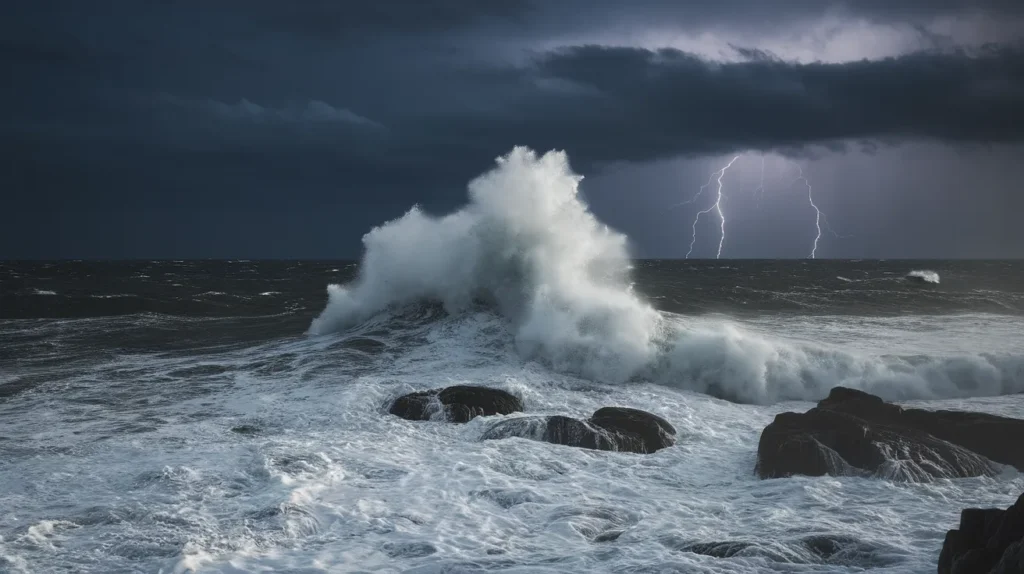
Meaning:
Long-lasting sadness and emotional pain.
Usage Insight:
Suitable for grief and heartbreak.
Examples:
- She cried like a storm that never ended.
- His sorrow lingered for days.
7. Crying like a wounded bird
Meaning:
Fragile, painful emotional suffering.
Usage Insight:
Effective for showing emotional injury.
Examples:
- She cried like a wounded bird, soft and broken.
- His sadness showed in every tear.
8. Crying like ice slowly melting
Meaning:
Quiet, slow, and controlled tears.
Usage Insight:
Best for calm emotional moments.
Examples:
- Tears slipped down her face like melting ice.
- He cried quietly, almost silently.
9. Crying like a river overflowing its banks
Meaning:
Overwhelming and unstoppable emotion.
Usage Insight:
Strong imagery for intense feelings.
Examples:
- She cried like a river overflowing its banks.
- His emotions poured out without control.
10. Crying like wind whispering through trees
Meaning:
Soft, sad, and almost silent crying.
Usage Insight:
Perfect for poetic and emotional writing.
Examples:
- She cried like wind whispering through trees.
- His sadness was quiet but deep.
11. Crying like a fading echo
Meaning:
Weak, distant, and exhausted crying.
Usage Insight:
Works well for emotional fatigue.
Examples:
- Her sobs faded like an echo in an empty room.
- He cried softly until his voice disappeared.
12. Crying like a candle burning away
Meaning:
Slow emotional breakdown over time.
Usage Insight:
Symbolic and expressive writing.
Examples:
- She cried like a candle burning away in silence.
- His strength slowly disappeared with each tear.
13. Crying like thunder in a summer storm
Meaning:
Sudden, loud, and intense crying.
Usage Insight:
Ideal for unexpected emotional outbursts.
Examples:
- She cried like thunder in a summer storm.
- His emotions exploded without warning.
14. Crying like dew falling from petals
Meaning:
Gentle and delicate tears.
Usage Insight:
Best for soft emotional scenes.
Examples:
- Her tears fell like dew from petals.
- He cried quietly, almost beautifully.
15. Crying like roots drinking rain

Meaning:
Emotional release that leads to healing.
Usage Insight:
Reflective and symbolic writing.
Examples:
- She cried like roots drinking rain, slowly healing inside.
- His tears helped him grow stronger over time.
How to Use Similes Effectively in Writing
Using similes properly can make your writing stronger and more engaging. Here are some helpful tips:
- Choose clear comparisons: Make sure the reader understands the image instantly.
- Use nature for inspiration: Elements like rain, trees, and wind feel natural and relatable.
- Avoid overusing similes: Too many comparisons can overwhelm the reader.
- Match the mood: Use soft similes for gentle emotions and strong ones for intense scenes.
- Be creative and original: Unique similes make your writing stand out.
Similes are useful in poems for beauty, in stories for emotion, in essays for clarity, and in songs for memorability.
FAQs
1. What are the best similes for crying?
The best similes for crying often compare tears to rain, storms, rivers, or natural elements that express emotion clearly.
2. What is the difference between a simile and a metaphor?
A simile uses “like” or “as,” while a metaphor directly compares without those words.
3. Why are similes important in writing?
They make writing more vivid, emotional, and easier to understand.
4. Can similes be used in academic writing?
Yes, but they should be used carefully to explain ideas clearly.
5. How can I create my own similes?
Think about the feeling you want to describe and connect it to something familiar in nature or daily life.
Conclusion
The best similes for crying help transform simple emotions into powerful, meaningful expressions. They allow readers to see and feel sadness through vivid imagery and relatable comparisons. Just like trees symbolize strength, growth, and resilience, similes connect human emotions to the natural world in a beautiful way. Whether you are writing a poem, story, essay, or song, similes can make your words more expressive and memorable. By practicing and experimenting with comparisons, you can create writing that feels alive and emotionally rich. Let your emotions flow naturally, and your similes will bring depth, clarity, and beauty to every sentence you write.