
Language becomes truly powerful when it paints pictures in the reader’s mind, and this is where similes and metaphors shine. Similes are comparisons that use “like” or “as” to connect two different things in a clear and vivid way. They are an essential part of figurative language because they make ideas easier to understand and more engaging. Writers use similes to express emotions, describe scenes, and add beauty to their words.
In literature, similes help readers feel the depth of a moment rather than just read it. Nature often inspires the best similes, especially trees, which symbolize strength, growth, resilience, wisdom, and human emotion. A tree stands tall through storms, just as people endure life’s challenges. By using similes and metaphor-like comparisons, you can create writing that feels alive, meaningful, and memorable.
What Is a Simile?
A simile is a figure of speech that compares two different things using “like” or “as” to create a vivid image.
Example: Her hope spread like sunlight through the branches of a tree.
1. As Strong as Roots in Deep Soil
Meaning:
Deep strength and stability.
Usage Insight:
Ideal for emotional grounding and resilience.
Examples:
- His courage was as strong as roots in deep soil.
- She stood firm, as strong as roots holding the earth together.
2. As Bright as Sunlight Through Leaves
Meaning:
Clear, warm, and uplifting.
Usage Insight:
Perfect for positivity and clarity.
Examples:
- Her smile was as bright as sunlight through leaves.
- The idea felt as bright as rays filtering through trees.
3. As Calm as a Forest at Dawn
Meaning:
Peaceful and quiet.
Usage Insight:
Best for serene settings or emotions.
Examples:
- He remained as calm as a forest at dawn.
- The room felt as calm as early morning woods.
4. As Steady as a Tree in the Wind
Meaning:
Reliable even in difficulty.
Usage Insight:
Useful for describing strength under pressure.
Examples:
- She stayed as steady as a tree in the wind.
- His focus was as steady as a tree facing storms.
5. As Gentle as Falling Petals
Meaning:
Soft and delicate.
Usage Insight:
Great for kind actions or emotions.
Examples:
- Her touch was as gentle as falling petals.
- He spoke as gently as petals drifting in air.
6. As Deep as a Forest Path
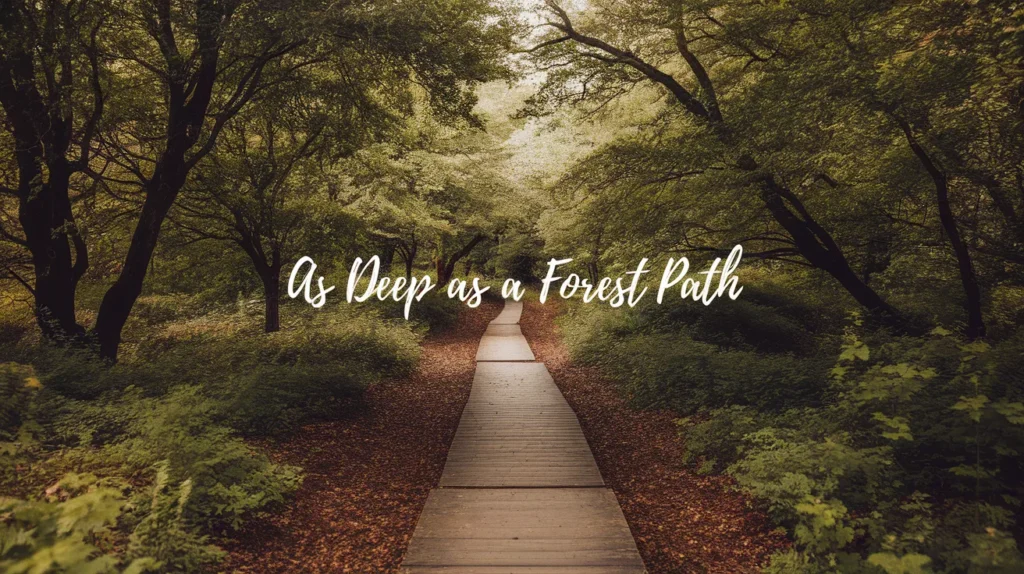
Meaning:
Full of meaning and mystery.
Usage Insight:
Ideal for emotions or thoughts.
Examples:
- Her thoughts were as deep as a forest path.
- His words carried depth as deep as shaded trails.
7. As Free as Birds in the Sky
Meaning:
Complete freedom.
Usage Insight:
Perfect for expressing independence.
Examples:
- She felt as free as birds in the sky.
- His spirit soared as free as wings in the wind.
8. As Strong as an Ancient Oak
Meaning:
Enduring strength and wisdom.
Usage Insight:
Works well in symbolic writing.
Examples:
- His character was as strong as an ancient oak.
- She stood tall, as strong as a timeless tree.
9. As Quiet as Leaves in Still Air
Meaning:
Silent and peaceful.
Usage Insight:
Useful for calm scenes.
Examples:
- The night was as quiet as leaves in still air.
- He moved as quiet as unmoving branches.
10. As Fresh as Morning Rain
Meaning:
New and refreshing.
Usage Insight:
Great for beginnings.
Examples:
- Her ideas felt as fresh as morning rain.
- The story opened as fresh as rain-washed earth.
11. As Flexible as a Willow Branch
Meaning:
Able to adapt easily.
Usage Insight:
Perfect for resilience.
Examples:
- She stayed as flexible as a willow branch.
- His approach bent as easily as soft branches.
12. As Bright as a Spark in the Dark
Meaning:
Sudden and noticeable brilliance.
Usage Insight:
Works well in dramatic moments.
Examples:
- His idea was as bright as a spark in the dark.
- Her talent shone as bright as a sudden flame.
13. As Strong as Flowing Water
Meaning:
Quiet but unstoppable force.
Usage Insight:
Ideal for persistence.
Examples:
- Her determination was as strong as flowing water.
- He moved forward as strong as a river’s push.
14. As Wise as Old Forests
Meaning:
Deep, timeless wisdom.
Usage Insight:
Great for experienced characters.
Examples:
- His advice was as wise as old forests.
- She spoke with wisdom as ancient as trees.
15. As Patient as Growing Trees
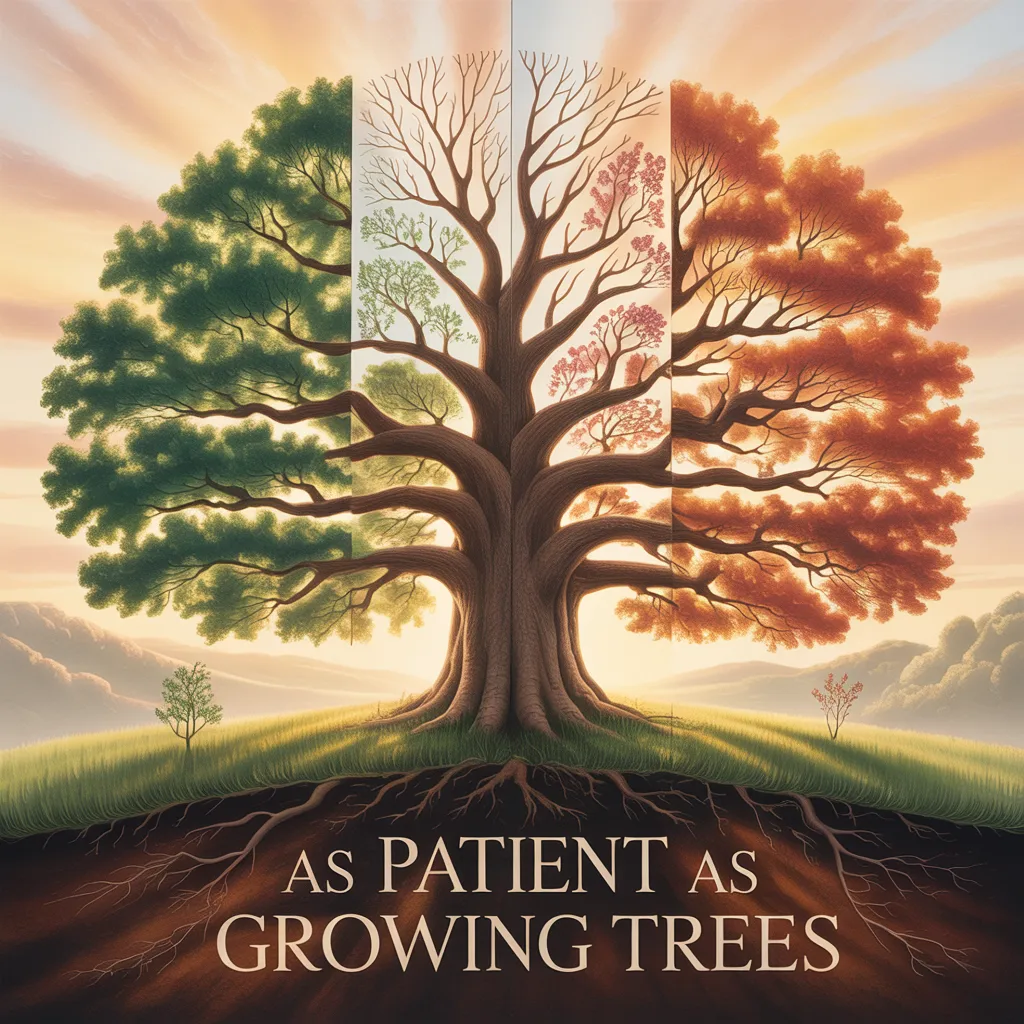
Meaning:
Slow and steady patience.
Usage Insight:
Perfect for long-term effort.
Examples:
- He waited as patient as growing trees.
- Success came as slowly as trees reaching the sky.
How to Use Similes Effectively in Writing
Similes can transform your writing by making it more vivid and engaging. In poetry, they create rhythm and emotional depth that draws readers in. In stories, similes help describe characters and settings in a relatable way. Essays benefit from similes because they simplify complex ideas. Songwriters use them to create strong emotional connections. Always keep your similes natural and relevant to your message. Avoid overusing them, as too many comparisons can make writing confusing. Choose images your audience can easily understand. Use similes to enhance meaning, not distract from it.
FAQs
1. What is an example of metaphor?
An example of metaphor is “Time is a thief,” where time is directly compared to a thief without using “like” or “as.”
2. What are similes according to example of metaphor?
Similes are comparisons using “like” or “as” to make ideas clearer and more vivid.
3. What is the difference between simile and metaphor?
A simile uses “like” or “as,” while a metaphor directly compares two things.
4. Why are similes important in writing?
They make writing more expressive, clear, and engaging.
5. Can similes be used in academic writing?
Yes, but they should be used carefully to explain ideas clearly.
Conclusion
Understanding an example of metaphor helps you see how powerful comparisons can shape meaning in language. When combined with similes, your writing becomes richer, clearer, and more expressive. Nature-inspired comparisons, especially those involving trees, bring depth, strength, and emotion into your words. Similes allow readers to visualize ideas and connect with your message on a deeper level. Whether you are writing creatively or academically, using similes effectively can elevate your work. With the right balance, your words can become vivid, impactful, and unforgettable.