Language becomes memorable when it paints a picture, and few tools do this better than a well-chosen simile. A simile is a figure of speech that compares two unlike things using “like” or “as,” helping readers see, feel, and understand an idea more vividly. Similes are a cornerstone of figurative language because they turn abstract feelings into concrete, relatable images that stick in the mind. Among all the images writers borrow from nature, birds hold a special place, since they carry universal meaning across cultures and centuries.
A bird’s flight speaks of freedom, its song speaks of joy, its migration speaks of hope, and its watchful stillness speaks of patience and wisdom. Because birds move between earth and sky, they naturally symbolize transformation, ambition, and the human longing to rise above hardship. This is why bird similes appear so often in poetry, fiction, songs, and everyday speech — they let writers borrow a bird’s grace, freedom, or vulnerability to describe human emotion. In this guide, you’ll find fifteen original bird similes, each explained with its meaning, its best use in writing, and two natural example sentences to help you use it with confidence.
What Is a Simile?
A simile is a comparison between two different things using the words “like” or “as,” used to make writing more vivid, relatable, and emotionally resonant. Similes work by connecting something familiar (like a bird’s flight) to something the writer wants the reader to understand more deeply (like freedom or joy). For example: “She felt as free as a bird released from its cage.” This single line communicates relief, liberation, and lightness far more powerfully than simply saying “she felt free.” That is the quiet power of figurative language — and it is exactly what the following bird similes are designed to teach you.
As Free as a Bird
Meaning:
This simile describes a feeling of complete liberation, independence, or release from restriction, worry, or obligation.
Usage Insight:
It works best in scenes of relief or new beginnings — after a difficult decision, a graduation, a breakup, or any moment when a character sheds a burden. Because it’s a well-known phrase, use it sparingly and pair it with a specific detail to keep it fresh.
Examples:
- After handing in her final exam, Maria walked out of the hall as free as a bird.
- Once the divorce papers were signed, he felt as free as a bird finally let out of its cage.
As Graceful as a Swan
Meaning:
This comparison highlights elegance, poise, and effortless beauty in movement or manner.
Usage Insight:
It suits descriptions of dancers, athletes, or anyone moving with calm confidence. It also works well in contrast — showing someone who appears calm on the surface while working hard underneath, echoing the classic image of a swan gliding smoothly while paddling furiously below.
Examples:
- The ballerina crossed the stage as graceful as a swan, her arms rising and falling without a single wasted motion.
- Even under pressure during the interview, she answered every question as graceful as a swan gliding across still water.
Like a Hawk Watching Its Prey
Meaning:
This simile conveys intense focus, sharp attention, and a sense of vigilance or suspicion.
Usage Insight:
Use it when describing someone monitoring a situation closely, whether protectively or with quiet menace. It’s especially effective in thrillers, workplace scenes, or moments of parental concern.
Examples:
- The manager watched the new intern’s every move like a hawk watching its prey.
- From the porch, my grandmother observed the storm clouds like a hawk watching its prey approach the field.
As Wise as an Owl
Meaning:
This phrase describes someone thoughtful, knowledgeable, and perceptive, often calm and measured in judgment.
Usage Insight:
It’s ideal for introducing mentor figures, elders, or characters whose advice carries weight. Because owls are traditionally linked with wisdom in folklore, this simile instantly signals authority without lengthy explanation.
Examples:
- The old professor, as wise as an owl, listened patiently before offering a single, perfectly timed piece of advice.
- Though only twelve years old, the boy was as wise as an owl when it came to reading people’s true intentions.
Like a Caged Bird Longing for the Sky
Meaning:
This simile expresses a deep yearning for freedom, self-expression, or escape from a restrictive situation.
Usage Insight:
It’s powerful in emotional or introspective writing, particularly when describing suppressed dreams, controlling relationships, or unfulfilled ambition. Use it to build sympathy for a character trapped by circumstance rather than by choice.
Examples:
- Stuck in a job that stifled her creativity, she felt like a caged bird longing for the sky.
- His poetry, never once shared with the world, sat like a caged bird longing for the sky of an open page.
As Proud as a Peacock
Meaning:
This comparison describes someone displaying confidence, vanity, or self-satisfaction, often about their appearance or achievements.
Usage Insight:
It adds a touch of gentle humor or light criticism, making it useful in satire, character sketches, or dialogue. It can be affectionate or mocking depending on tone, so context matters.
Examples:
- Wearing his brand-new suit, he strutted into the party as proud as a peacock.
- She showed off her trophy to every neighbor on the street, as proud as a peacock parading through a garden.
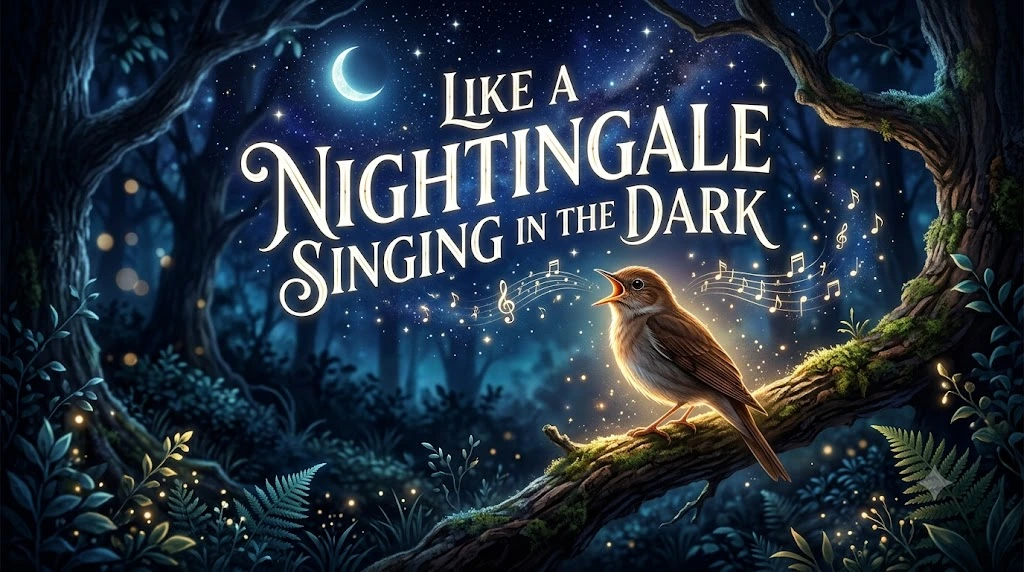
Like a Nightingale Singing in the Dark
Meaning:
This simile represents hope, beauty, or comfort that emerges even in difficult or lonely circumstances.
Usage Insight:
Use it in emotionally heavy scenes where a small act of courage, kindness, or beauty offers relief. It works especially well in poetry and songwriting, where contrast between darkness and song deepens emotional impact.
Examples:
- Even during the hospital’s quietest, hardest nights, her laughter rang out like a nightingale singing in the dark.
- His encouraging words arrived like a nightingale singing in the dark, right when the team needed hope most.
As Busy as a Bee-Eater Chasing Its Meal
Meaning:
This original simile describes someone working with rapid, energetic, and purposeful activity, rarely pausing to rest.
Usage Insight:
It’s a fresher alternative to the overused “busy as a bee,” ideal for describing multitasking professionals, entrepreneurs, or anyone juggling constant demands. It brings texture to workplace or lifestyle writing.
Examples:
- Between three part-time jobs and night classes, she was as busy as a bee-eater chasing its meal from dawn until dusk.
- The startup’s founder moved through the office as busy as a bee-eater chasing its meal, never sitting still for more than a minute.
Like a Sparrow Building Its Nest
Meaning:
This comparison reflects patient, careful effort in creating something meaningful, often piece by piece, from limited resources.
Usage Insight:
It’s effective for describing perseverance in small, humble tasks — raising a family, starting a small business, or restoring an old home. It gives dignity to slow, quiet progress rather than dramatic achievement.
Examples:
- With every spare dollar, they furnished their first apartment like a sparrow building its nest, twig by careful twig.
- She grew her small bakery like a sparrow building its nest, one loyal customer at a time.
As Sharp-Eyed as an Eagle
Meaning:
This simile describes exceptional attentiveness, keen observation, or the ability to notice details others miss.
Usage Insight:
It suits descriptions of detectives, editors, quality inspectors, or anyone whose job depends on precision. Pairing it with a specific detail the character notices makes the comparison feel earned rather than generic.
Examples:
- The editor was as sharp-eyed as an eagle, catching the single misplaced comma on page two hundred.
- As sharp-eyed as an eagle, the coach spotted the flaw in her swing that no one else had noticed all season.
Like a Flock of Starlings Moving as One
Meaning:
This comparison illustrates seamless teamwork, coordination, and unity of purpose among a group.
Usage Insight:
Use it when describing well-rehearsed teams, synchronized dancers, or communities acting together in crisis or celebration. The vivid image of starling murmurations gives the phrase natural visual richness.
Examples:
- The volunteers cleared the flooded street like a flock of starlings moving as one, each person anticipating the next.
- On stage, the choir shifted formation like a flock of starlings moving as one, without a single missed cue.
As Restless as a Bird Before a Storm
Meaning:
This simile captures nervous energy, unease, or anxious anticipation before something significant happens.
Usage Insight:
It’s useful in building tension before a major event — an exam, a confrontation, or a life decision. The natural image of birds sensing bad weather adds an instinctive, almost primal sense of foreboding.
Examples:
- The night before her surgery, she paced the hallway as restless as a bird before a storm.
- He kept checking his phone as restless as a bird before a storm, waiting for news that refused to arrive.
Like a Crow Guarding Its Territory
Meaning:
This comparison describes someone fiercely protective, possessive, or defensive of what they consider theirs.
Usage Insight:
It works well for describing overprotective bosses, competitive siblings, or characters guarding secrets, resources, or reputations. The crow’s intelligence adds a layer of cunning to the protectiveness.
Examples:
- He guarded his research notes like a crow guarding its territory, refusing to share them with a single colleague.
- The old shopkeeper watched over his store like a crow guarding its territory, chasing off anyone who lingered too long.
As Gentle as a Dove
Meaning:
This simile describes calmness, tenderness, and peaceful, non-threatening behavior.
Usage Insight:
It’s ideal for portraying caregivers, peacemakers, or quiet moments of comfort between characters. Because doves symbolize peace across many cultures, the phrase carries instant emotional warmth.
Examples:
- The nurse spoke to the frightened child as gentle as a dove, calming him within minutes.
- Despite his intimidating size, he handled the newborn puppy as gentle as a dove cradling its young.
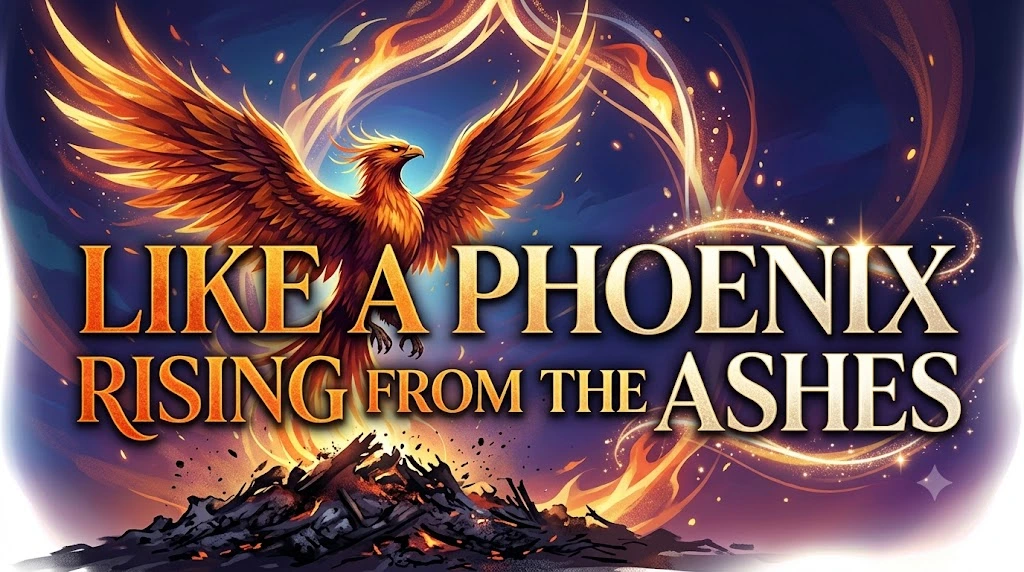
Like a Phoenix Rising From the Ashes
Meaning:
Although the phoenix is mythical, it is universally treated as a bird symbol, representing powerful renewal, resilience, and rebirth after hardship or failure.
Usage Insight:
Use it for comeback stories, recovery narratives, or moments when a character rebuilds after loss. Because it’s a well-known image, ground it with specific, personal details so it doesn’t feel like a cliché.
Examples:
- After losing everything in the fire, the family rebuilt their home like a phoenix rising from the ashes.
- Her career, once thought finished, returned like a phoenix rising from the ashes of a single viral performance.
How to Use Similes Effectively in Writing
Similes are powerful, but only when used with intention. Here are practical tips for making them work across different types of writing.
In poems: Let similes carry emotional weight rather than just description. A single, well-placed bird simile — like comparing grief to a caged bird — can anchor an entire stanza’s meaning.
In stories: Use similes to reveal character and mood without long explanations. A tense character described as “restless as a bird before a storm” tells readers everything they need to know in one line.
In essays: Use similes sparingly to clarify abstract ideas for the reader, especially in introductions or conclusions where a memorable image helps ideas stick.
In songs: Similes should be rhythmic and easy to sing, so choose short, punchy comparisons like “free as a bird” that flow naturally with melody.
In creative descriptions: Always pair a simile with a specific, sensory detail — a color, a sound, a texture — so the comparison feels alive rather than generic.
General rule: Never stack multiple similes in one sentence, and avoid overused comparisons unless you add a fresh twist, as shown throughout this article.
FAQs
1. What are bird similes used for?
Bird similes are used to describe human emotions, behaviors, and qualities — such as freedom, wisdom, vigilance, or grace — by comparing them to the natural traits and movements of birds.
2. What is the difference between a simile and a metaphor?
A simile compares two things using “like” or “as” (for example, “free as a bird”), while a metaphor states that one thing is another without using those words (for example, “she was a bird set free”). Both are forms of figurative language, but similes make the comparison explicit, while metaphors state it directly.
3. Why are birds such common subjects for similes in literature?
Birds symbolize freedom, transformation, and hope because they move between earth and sky, making them ideal for representing emotional or spiritual journeys in literature and poetry.
4. Can similes be used in academic or formal writing?
Yes, but sparingly. In academic writing, similes should be used to clarify complex ideas for the reader, not to add decorative flair, and should always remain precise and relevant to the argument.
5. How can I create my own original bird similes?
Start by observing a bird’s specific behavior — its flight pattern, sound, or habit — and connect it to a human emotion or situation that shares a similar quality, as demonstrated throughout the fifteen examples above.
Conclusion
Bird similes do more than decorate a sentence — they give language wings. By borrowing the freedom of flight, the patience of a nesting sparrow, or the fierce focus of a hawk, writers can express complex human emotions with clarity, imagery, and genuine emotional depth. Whether you’re crafting a poem, a novel, a song, or a simple essay, a well-chosen bird simile can turn an ordinary line into one readers remember long after they finish reading. The next time you want your writing to soar, look to the sky — and let a bird show you the way.