
Language becomes unforgettable when it appeals to the senses, and few things stir the senses like food. A simile is a figure of speech that compares two unlike things using “like” or “as,” turning abstract feelings into vivid, relatable images readers can almost taste. Food, in particular, gives writers a treasure trove of material because eating is universal—everyone knows the sweetness of sugar, the bitterness of burnt toast, the warmth of fresh bread. When we say someone’s smile is “as sweet as honey” or a situation is “like a pot about to boil over,” we communicate instantly and memorably.
Figurative language like this matters because it engages the imagination, builds emotional connection, and makes writing far more persuasive than plain description. While trees often symbolize strength, growth, and quiet wisdom in literature, food similes capture something just as human: comfort, pleasure, nourishment, and the small joys that hold everyday life together. Both draw on the natural world to express what ordinary words sometimes cannot fully reach. In this article, we’ll explore what similes are and walk through fifteen original food similes you can use to add flavor, clarity, and emotional depth to your writing.
What Is a Simile?
A simile is a comparison between two different things using the words “like” or “as,” designed to highlight a shared quality between them in a vivid, imaginative way. For example, “Her voice was as smooth as melted chocolate” compares a voice to chocolate, instantly conveying richness, warmth, and appeal. This simple structure makes similes one of the most effective and accessible tools in figurative language.
As Sweet as Honey
Meaning:
This simile describes someone or something that is gentle, kind, and pleasing in nature or tone.
Usage Insight:
It works best when describing warm personalities, tender moments, or affectionate dialogue in character-driven writing.
Examples:
- Her voice was as sweet as honey, calming the frightened child instantly.
- He greeted every guest as sweet as honey, making strangers feel like old friends.
Like a Pot About to Boil Over
Meaning:
This phrase captures rising tension or anger that is about to burst into open conflict.
Usage Insight:
Ideal for building suspense in fiction, especially just before an argument or emotional confrontation.
Examples:
- His patience was like a pot about to boil over after hours of unanswered questions.
- Tensions in the meeting room felt like a pot about to boil over as the deadline approached.
As Crisp as a Fresh Apple
Meaning:
This simile describes something clean, sharp, and refreshingly clear, whether in appearance, sound, or personality.
Usage Insight:
Useful for describing weather, mornings, or confident, straightforward characters in descriptive writing.
Examples:
- The autumn air was as crisp as a fresh apple, waking her up before the alarm even rang.
- Her answers in the interview were as crisp as a fresh apple, direct and impressively clear.
Like Butter Melting on Warm Toast
Meaning:
This phrase describes something that happens smoothly, effortlessly, and pleasantly, often referring to emotions softening or plans falling into place.
Usage Insight:
Effective for describing gradual emotional shifts, such as forgiveness or growing affection, in romance or reflective writing.
Examples:
- Her resistance faded like butter melting on warm toast the moment he apologized.
- Their old friendship returned like butter melting on warm toast, as if no time had passed at all.
As Bitter as Unsweetened Coffee
Meaning:
This simile conveys harshness, resentment, or a lack of warmth in someone’s words or feelings.
Usage Insight:
Best used to show emotional wounds, disappointment, or strained relationships, particularly in dialogue.
Examples:
- Her tone was as bitter as unsweetened coffee whenever his name came up.
- The betrayal left a taste as bitter as unsweetened coffee that lingered for years.
Like a Slow-Simmering Stew
Meaning:
This phrase describes something that develops gradually over time, gaining depth and richness the longer it continues.
Usage Insight:
Works well for describing long-term relationships, evolving skills, or plots that build patiently toward a payoff.
Examples:
- Their romance grew like a slow-simmering stew, richer and deeper with every passing season.
- His expertise developed like a slow-simmering stew, shaped by years of quiet dedication.
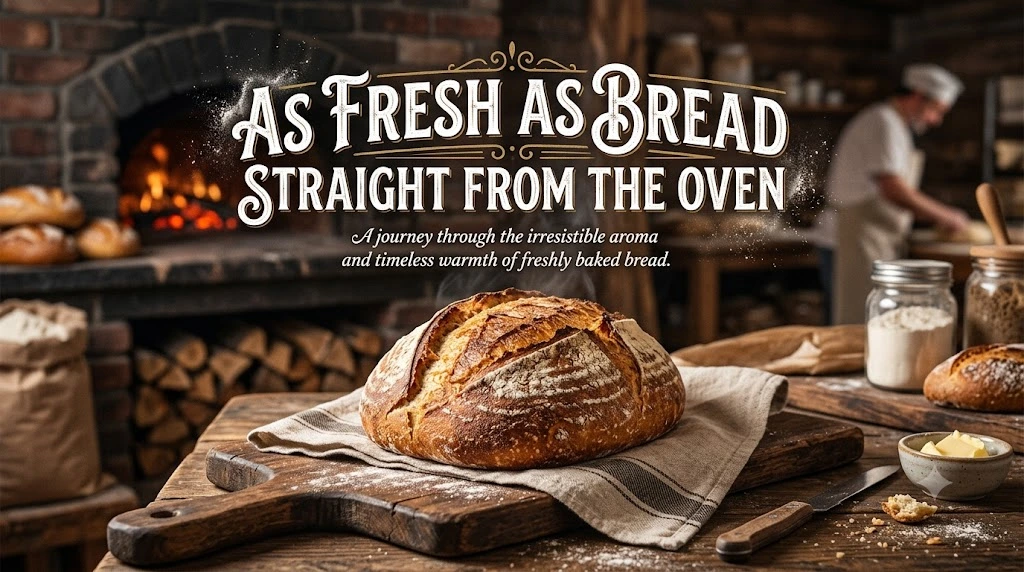
As Fresh as Bread Straight from the Oven
Meaning:
This simile represents something new, appealing, and full of comforting warmth.
Usage Insight:
Ideal for describing new beginnings, welcoming environments, or moments of genuine comfort in creative writing.
Examples:
- Her ideas felt as fresh as bread straight from the oven, exciting the entire team.
- The cabin welcomed them as fresh as bread straight from the oven after their long, cold journey.
Like Salt in an Open Wound
Meaning:
This phrase describes something that intensifies pain, embarrassment, or emotional hurt, often unintentionally.
Usage Insight:
Powerful for dramatic or emotional scenes where a comment or event worsens an already difficult situation.
Examples:
- His careless joke was like salt in an open wound during her moment of grief.
- The reminder of the failed project felt like salt in an open wound just days after the layoff.
As Rich as Chocolate Cake
Meaning:
This simile describes something luxurious, indulgent, and deeply satisfying.
Usage Insight:
Effective for describing sensory experiences, decadent settings, or moments of pure enjoyment in descriptive prose.
Examples:
- The melody was as rich as chocolate cake, full and satisfying from the very first note.
- Their vacation felt as rich as chocolate cake, indulgent in every possible way.
Like Ice Cream Melting in the Sun
Meaning:
This phrase describes something fading or disappearing quickly, often referring to opportunities, patience, or fleeting emotions.
Usage Insight:
Useful for expressing urgency or the temporary nature of certain feelings and moments in narrative writing.
Examples:
- His confidence melted like ice cream melting in the sun the moment the panel began questioning him.
- Their summer romance faded like ice cream melting in the sun once September arrived.
As Sour as an Unripe Lemon
Meaning:
This simile describes a harsh, unpleasant, or negative attitude, often shown through tone or expression.
Usage Insight:
Great for quickly establishing a grumpy or difficult character without lengthy description.
Examples:
- Her mood was as sour as an unripe lemon after the long, delayed flight.
- The critic’s review was as sour as an unripe lemon, dismissing every effort the cast had made.
Like a Perfectly Baked Pie
Meaning:
This phrase describes something well-balanced, satisfying, and executed with care and precision.
Usage Insight:
Works well for describing successful plans, harmonious relationships, or well-crafted creative work.
Examples:
- Their wedding day came together like a perfectly baked pie, warm and beautifully balanced.
- The final chapter wrapped up the story like a perfectly baked pie, satisfying every loose end.
As Spicy as a Fiery Curry
Meaning:
This simile conveys boldness, intensity, or a strong, unforgettable presence.
Usage Insight:
Ideal for describing passionate characters, heated debates, or bold creative choices in writing.
Examples:
- Her personality was as spicy as a fiery curry, impossible to ignore in any room.
- The debate grew as spicy as a fiery curry, with neither side willing to back down.
Like Milk and Honey Flowing Together
Meaning:
This phrase symbolizes abundance, harmony, and effortless togetherness.
Usage Insight:
Effective for describing thriving communities, successful partnerships, or peaceful, prosperous settings.
Examples:
- Life in the small village felt like milk and honey flowing together, simple and abundant.
- Their business partnership worked like milk and honey flowing together, each strength complementing the other.
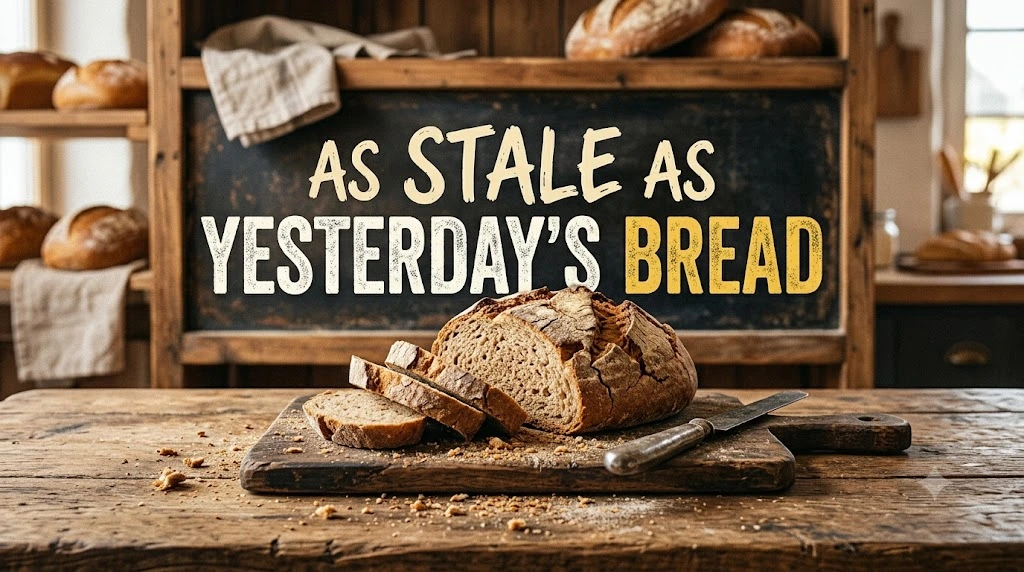
As Stale as Yesterday’s Bread
Meaning:
This simile describes something outdated, dull, or lacking freshness and relevance.
Usage Insight:
Useful for critiquing repetitive ideas, tired routines, or uninspired creative work in essays and reviews.
Examples:
- His excuses were as stale as yesterday’s bread, repeated one too many times.
- The marketing campaign felt as stale as yesterday’s bread compared to their competitors’ bold new ideas.
How to Use Similes Effectively in Writing
Similes are powerful, but only when used with intention. Here are practical tips for different types of writing:
For Poems: Choose similes that evoke sensory detail and emotional resonance. Focus on rhythm and sound, letting the comparison enhance the poem’s mood rather than overpowering it.
For Stories: Use similes to reveal character emotions or build atmosphere without slowing the pace. A well-placed simile during a tense scene can heighten drama instantly.
For Essays: Similes should clarify complex ideas, not decorate them unnecessarily. Use them sparingly to make abstract concepts more relatable to readers.
For Songs: Prioritize similes that are catchy, easy to remember, and emotionally direct. Simplicity often works better than complexity in lyrical writing.
For Creative Descriptions: Combine similes with strong verbs and specific nouns to avoid clichés. Fresh, original comparisons leave a stronger impression than overused phrases.
Above all, avoid overloading your writing with too many similes—one well-chosen comparison often has more impact than five scattered throughout a paragraph.
FAQs
1. What are food similes?
Food similes are comparisons that use “like” or “as” to link food and flavors—such as honey, chocolate, or bitter coffee—with emotions, personalities, or situations, making writing more vivid and relatable.
2. What is the difference between a simile and a metaphor?
A simile explicitly compares two things using “like” or “as” (e.g., “sweet as honey”), while a metaphor states that one thing is another without those words (e.g., “she is honey”). Both are forms of figurative language, but similes are generally softer and more explicit comparisons.
3. Why are similes important in literature?
Similes help writers create imagery, deepen emotional connection, and clarify complex ideas by linking them to familiar sensory experiences. They make writing more engaging, relatable, and memorable for readers.
4. Can food similes be used in academic writing?
Yes, though sparingly. In academic writing, similes can make complex concepts more accessible, but they should be used thoughtfully to maintain a professional, objective tone.
5. How do I create my own original food similes?
Start by identifying the emotion or quality you want to express, then think of a food or flavor that naturally shares that quality. Avoid clichés by combining unexpected details, such as pairing a specific emotion with a less common food image.
Conclusion
Food similes remind us that some of the richest language comes from the simplest, most familiar experiences. From the sweetness of honey to the sharp bitterness of unsweetened coffee, these fifteen comparisons show how figurative language can turn ordinary sentences into something vivid, flavorful, and deeply human. Whether you’re writing poetry, fiction, essays, or song lyrics, similes offer a simple yet powerful way to add clarity, emotional depth, and authenticity to your words. The best writing doesn’t just describe an experience—it lets readers taste it, and food similes are one of the most effective tools for doing exactly that. So the next time you sit down to write, think about what’s on your plate, and let flavor guide your words toward something truly memorable.