
Have you ever read a sentence that made you feel the chill of a winter morning or the fury of a summer storm without you actually being there? That is the quiet magic of similes at work. A simile is a figure of speech that compares two unlike things using the words “like” or “as,” helping writers turn ordinary description into vivid, felt experience. Similes matter in figurative language because they build a bridge between abstract feelings and concrete images the reader can instantly picture. Weather similes are especially powerful because everyone, everywhere, has felt the sting of cold rain or the warmth of a sunny afternoon, making these comparisons universally relatable.
Nature similes in general carry emotional weight, but weather-based comparisons add movement and unpredictability that mirror human moods better than almost any other imagery. A storm can represent anger, a gentle breeze can represent peace, and a clear sky can represent hope, which is why weather similes appear so often in literature, poetry, and everyday speech. Just as trees are used as timeless symbols of strength, growth, resilience, and quiet wisdom, weather is used to symbolize the emotional climate of a story, a character, or a single fleeting moment. In this guide, you will learn what similes are, explore 15 original weather similes with clear meanings and usage insights, and discover practical tips for using comparisons effectively in your own writing.
What Is a Simile?
A simile is a figure of speech that directly compares two different things using connecting words such as “like” or “as,” in order to highlight a shared quality between them. Similes make writing more vivid, relatable, and emotionally resonant by turning abstract ideas into clear, sensory images. For example, saying “her mood was as unpredictable as April weather” instantly communicates instability and change without needing a lengthy explanation. This is the essence of figurative language: saying more by showing more.
15 Weather Similes and What They Really Mean
1. As Bright as a Summer Sun
Meaning:
This simile describes someone or something radiating warmth, energy, positivity, or optimism.
Usage Insight:
It works best when describing a cheerful character, a hopeful moment, or an uplifting atmosphere in a story, speech, or poem. Use it when you want the reader to instantly feel warmth and light rather than simply reading the word “happy.”
Examples:
- Her smile was as bright as a summer sun, lighting up the entire room the moment she walked in.
- Even after years apart, his enthusiasm remained as bright as a summer sun whenever old friends gathered.
2. As Cold as a Winter Night
Meaning:
This comparison expresses emotional distance, harshness, or a lack of warmth in someone’s behavior or tone.
Usage Insight:
It is ideal for dialogue-heavy scenes or character descriptions where silence or rejection needs to feel physically uncomfortable to the reader. This simile works particularly well in fiction that explores broken relationships or emotional conflict.
Examples:
- His reply was as cold as a winter night, and she immediately regretted asking the question.
- The office fell as cold as a winter night the moment the manager announced the layoffs.
3. As Fierce as a Hurricane
Meaning:
This simile conveys overwhelming intensity, aggression, or unstoppable force.
Usage Insight:
Use it to describe powerful emotions like anger or determination, or to heighten tension during a dramatic confrontation or turning point in a narrative. It suits action scenes, conflict-driven dialogue, and moments of high stakes.
Examples:
- Her ambition was as fierce as a hurricane, sweeping away every obstacle that stood in her path.
- The debate turned as fierce as a hurricane once both candidates began defending their records.
4. As Gentle as a Spring Breeze
Meaning:
This comparison suggests softness, calmness, and a soothing presence.
Usage Insight:
It is effective when writing about comfort, tenderness, or reassurance, especially in emotional or romantic scenes. This simile softens the tone of a passage and slows the pace, giving readers a moment to breathe.
Examples:
- Her voice was as gentle as a spring breeze, calming the frightened child within seconds.
- His encouragement felt as gentle as a spring breeze after months of harsh criticism from others.
5. As Unpredictable as April Weather
Meaning:
This simile highlights sudden, frequent changes in mood, behavior, or circumstances.
Usage Insight:
It works well for describing complex or inconsistent characters, shifting plotlines, or emotionally volatile situations. Writers often use it to foreshadow instability before a major change occurs.
Examples:
- His temper was as unpredictable as April weather, swinging from laughter to frustration within minutes.
- The stock market that quarter behaved as unpredictable as April weather, rising and falling without warning.
6. As Gray as an Overcast Sky
Meaning:
This comparison expresses dullness, sadness, or a lack of vibrancy in a mood, place, or moment.
Usage Insight:
It is well suited to melancholic scenes, quiet reflection, or descriptions of grief and disappointment. This simile helps set a somber tone without relying on heavy or dramatic language.
Examples:
- Her thoughts felt as gray as an overcast sky since receiving the disappointing news that morning.
- The town looked as gray as an overcast sky after the factory closed and jobs disappeared.
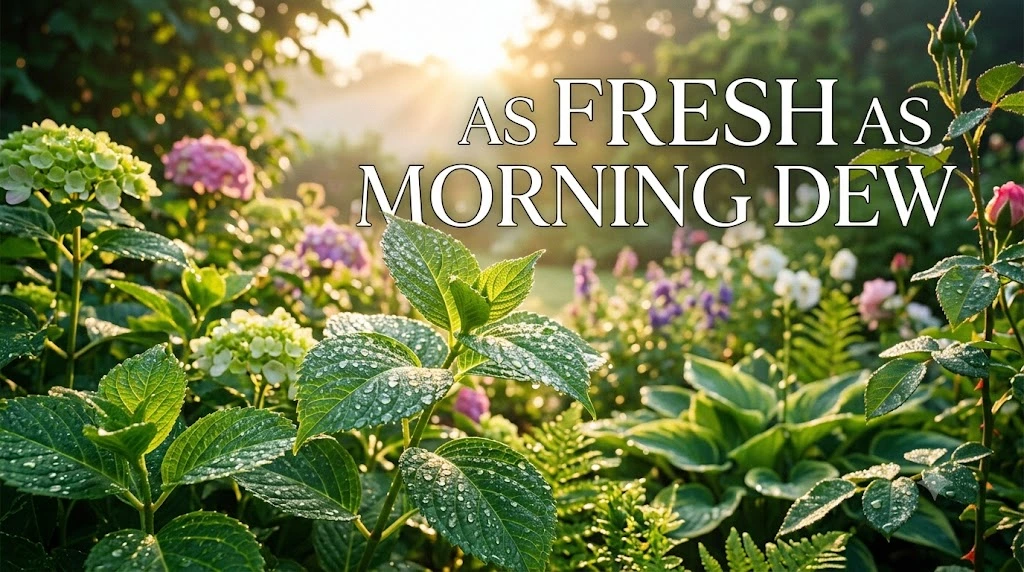
7. As Fresh as Morning Dew
Meaning:
This simile describes something new, clean, pure, or full of renewed energy.
Usage Insight:
It is perfect for beginnings, new opportunities, or moments of clarity and inspiration. Use it in creative writing when a character starts over or when a scene marks a turning point toward hope.
Examples:
- Her perspective on life felt as fresh as morning dew after the long, difficult recovery.
- The idea struck him as fresh as morning dew, completely different from anything the team had tried before.
8. As Fast as Lightning
Meaning:
This comparison emphasizes extreme speed or a sudden, unexpected occurrence.
Usage Insight:
It is ideal for action sequences, quick decisions, or moments of shock and surprise. This simile injects urgency into a sentence and quickens the reader’s pace naturally.
Examples:
- He reacted as fast as lightning, catching the falling glass before it hit the floor.
- News of the merger spread as fast as lightning throughout the entire company.
9. As Heavy as a Thunderstorm
Meaning:
This simile conveys emotional or physical weight, tension, or an overwhelming atmosphere.
Usage Insight:
Use it when describing silence before a difficult conversation, unresolved conflict, or the pressure of an important decision. It builds anticipation effectively in both fiction and personal essays.
Examples:
- The silence between them felt as heavy as a thunderstorm about to break.
- Guilt sat on his chest as heavy as a thunderstorm he could not outrun.
10. As Quiet as Fallen Snow
Meaning:
This comparison expresses stillness, peace, or a soft, almost silent presence.
Usage Insight:
It works beautifully in reflective or poetic passages, especially when describing solitude, sleep, or a peaceful setting. This simile slows the rhythm of a sentence and invites the reader to pause.
Examples:
- The house grew as quiet as fallen snow once the children finally drifted off to sleep.
- Her grief was as quiet as fallen snow, present but never loudly spoken.
11. As Warm as a Summer Afternoon
Meaning:
This simile describes comfort, affection, or a relaxed and welcoming feeling.
Usage Insight:
It suits descriptions of friendship, hospitality, or nostalgic memories. Writers often use this comparison to create an inviting emotional tone in personal essays or heartfelt storytelling.
Examples:
- Their friendship felt as warm as a summer afternoon, easy and comforting from the very first conversation.
- Grandmother’s kitchen was always as warm as a summer afternoon, filled with laughter and familiar smells.
12. As Wild as a Tornado
Meaning:
This comparison expresses chaotic, uncontrollable energy or behavior.
Usage Insight:
It is effective for describing intense emotional outbursts, dramatic events, or unpredictable characters who disrupt everything around them. Use it sparingly for maximum dramatic impact.
Examples:
- Her emotions were as wild as a tornado the day she learned the truth.
- The crowd grew as wild as a tornado once the final score was announced.
13. As Soft as Falling Rain
Meaning:
This simile conveys gentleness, tenderness, or a soothing rhythm.
Usage Insight:
It works well in poetry and lyrical prose, particularly when describing touch, sound, or quiet emotional moments. This comparison adds a musical quality to a sentence.
Examples:
- His words were as soft as falling rain, easing her worries without a single argument.
- The lullaby played as soft as falling rain through the quiet nursery.
14. As Crisp as an Autumn Morning
Meaning:
This comparison describes freshness, clarity, or a sharp and invigorating quality.
Usage Insight:
Use it when describing clear thinking, refreshing change, or a scene that feels clean and awakening. It is especially effective in descriptive or seasonal writing.
Examples:
- Her instructions were as crisp as an autumn morning, leaving no room for confusion.
- The air in the mountains felt as crisp as an autumn morning after the long, humid summer.
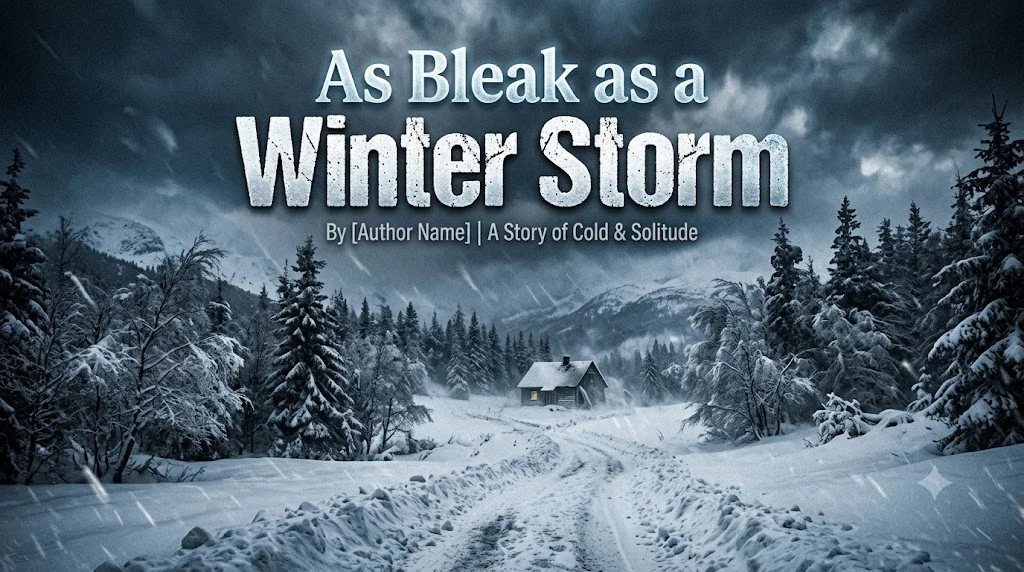
15. As Bleak as a Winter Storm
Meaning:
This simile expresses hopelessness, harshness, or an overwhelming sense of difficulty.
Usage Insight:
It suits descriptions of hardship, loss, or challenging circumstances in both fiction and personal narrative. This comparison sets a heavy tone that often precedes a turning point toward hope.
Examples:
- The diagnosis left their future looking as bleak as a winter storm.
- His outlook on the failing business grew as bleak as a winter storm with each passing month.
How to Use Similes Effectively in Writing
Similes work best when they feel natural rather than forced, so always choose a comparison that fits the tone and rhythm of your sentence. Across all forms of writing, the goal is the same: choose comparisons that add clarity and imagery without overwhelming the reader, and always read your sentence aloud to check that the simile flows smoothly rather than feeling inserted.
FAQs
1. What are weather similes?
Weather similes are figures of speech that compare people, emotions, or situations to weather conditions such as storms, sunshine, rain, or snow, using “like” or “as” to create vivid imagery.
2. What is the difference between a simile and a metaphor?
A simile uses “like” or “as” to compare two things, such as “as cold as a winter night,” while a metaphor states that one thing is another, such as “her heart was a winter night,” without using comparison words.
3. Why are weather similes so effective in writing?
Weather similes are effective because everyone has experienced weather firsthand, making the comparisons instantly relatable, emotionally resonant, and easy to visualize regardless of the reader’s background.
4. Can similes be used in academic writing?
Yes, similes can be used in academic writing when they clarify a complex idea through a familiar comparison, though they should be used sparingly and appropriately to maintain a formal tone.
5. How many similes should a piece of writing include?
There is no fixed number, but similes are most powerful when used selectively at meaningful moments rather than in every sentence, allowing each comparison to have real emotional or descriptive impact.
Conclusion
Weather similes prove that some of the most powerful writing tools are also the simplest, turning everyday experiences like sunshine, storms, and snowfall into rich emotional language readers can instantly feel. By mastering comparisons such as these, writers gain the ability to add clarity, imagery, and emotional depth to their work without relying on lengthy description. Whether you are writing a poem, a novel, an essay, or a song, weather similes offer an endless well of inspiration rooted in something every reader already understands: the sky above them. The next time you sit down to write, look outside, notice the weather, and let it guide your words toward something more vivid, more human, and more memorable.