Similes are one of the most powerful tools in language, helping writers create vivid images and emotional connections through simple comparisons. They use words like “as” or “like” to link two different things, making ideas clearer and more engaging. Whether you’re writing a poem, story, essay, or even a song, similes bring your words to life. They help readers see, feel, and understand your message in a deeper way. In figurative language, similes are especially important because they turn ordinary descriptions into memorable expressions.
Nature, especially trees, often inspires similes because trees represent strength, growth, resilience, wisdom, and human emotion. Just like trees stand firm through storms and seasons, similes rooted in nature can make writing feel grounded and meaningful. By using similes creatively, you can transform simple ideas into powerful imagery that stays with your readers.
What Is a Simile?
A simile is a figure of speech that compares two different things using the words “like” or “as” to highlight a shared quality.
Example: Her smile was as bright as the morning sun.
This comparison helps readers imagine the brightness and warmth of her smile more clearly.
As Perfect as a Snowflake Uniquely Formed
Meaning:
Something flawless and one-of-a-kind.
Usage Insight:
Best used when highlighting uniqueness and delicate perfection.
Examples:
- Her design was as perfect as a snowflake uniquely formed.
- The moment felt as perfect as a snowflake resting untouched.
As Perfect as a Calm Lake at Dawn
Meaning:
Peaceful and undisturbed perfection.
Usage Insight:
Ideal for serene scenes or emotional calm.
Examples:
- The morning was as perfect as a calm lake at dawn.
- His thoughts felt as perfect as a silent lake at sunrise.
As Perfect as a Blooming Rose in Spring
Meaning: Natural beauty at its peak. Usage Insight: Works well for describing elegance and growth.
Examples:
- She looked as perfect as a blooming rose in spring.
- The garden appeared as perfect as a rose in full bloom.
As Perfect as a Star in a Clear Night Sky
Meaning:
Bright and flawless in a vast setting.
Usage Insight:
Great for highlighting standout beauty.
Examples:
- Her performance was as perfect as a star in a clear sky.
- The diamond shone as perfect as a distant star.
As Perfect as a Tree Standing Tall in Still Air
Meaning:
Strong, balanced, and stable.
Usage Insight:
Best for describing strength and calm confidence.
Examples:
- He stood as perfect as a tree in still air.
- Her posture was as perfect as a rooted oak.
As Perfect as Fresh Snow on Untouched Ground

Meaning:
Pure and unspoiled.
Usage Insight:
Ideal for innocence and new beginnings.
Examples:
- The scene looked as perfect as fresh snow on the ground.
- Their love felt as perfect as untouched snow.
As Perfect as a Symphony in Harmony
Meaning:
Everything working together flawlessly.
Usage Insight:
Perfect for teamwork or coordination.
Examples:
- The project came together as perfect as a symphony.
- Their voices blended as perfect as musical harmony.
As Perfect as a Golden Sunset Over the Hills
Meaning:
Warm, beautiful, and complete.
Usage Insight:
Great for emotional or visual descriptions.
Examples:
- The evening felt as perfect as a golden sunset.
- Her smile glowed as perfect as the setting sun.
As Perfect as a Well-Carved Sculpture
Meaning:
Carefully crafted and detailed.
Usage Insight:
Best for art, design, or precision.
Examples:
- The statue looked as perfect as a master sculpture.
- His plan was as perfect as a finely carved piece.
As Perfect as Raindrops Falling in Rhythm
Meaning:
Smooth and naturally aligned.
Usage Insight:
Ideal for rhythm and flow.
Examples:
- Her speech flowed as perfect as falling rain.
- The music sounded as perfect as rhythmic raindrops.
As Perfect as a Mirror Without a Flaw
Meaning:
Completely flawless and clear.
Usage Insight:
Great for precision and clarity.
Examples:
- His execution was as perfect as a flawless mirror.
- The surface shone as perfect as polished glass.
As Perfect as a Feather Floating in the Air
Meaning:
Light, effortless, and graceful.
Usage Insight:
Works well for movement and ease.
Examples:
- She danced as perfect as a feather in the wind.
- His movements were as perfect as drifting air.
As Perfect as a Clock Ticking in Sync
Meaning:
Precise and reliable.
Usage Insight:
Ideal for timing and accuracy.
Examples:
- The system worked as perfect as a ticking clock.
- Their coordination was as perfect as clockwork.
As Perfect as a Rainbow After Rain
Meaning:
Beautiful after difficulty.
Usage Insight: Best for hope and positivity.
Examples:
- Their reunion felt as perfect as a rainbow.
- The result was as perfect as colors after rain.
As Perfect as Roots Deep in the Earth
Meaning:
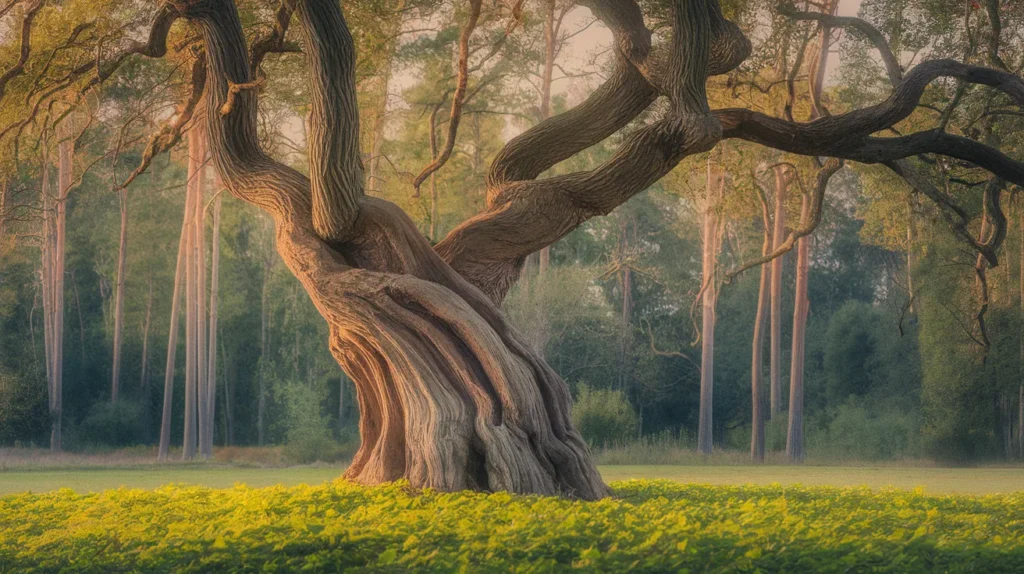
Strong, grounded, and stable.
Usage Insight:
Connects to themes of resilience and growth.
Examples:
- Their bond was as perfect as roots in the earth.
- His confidence stood as perfect as deep roots.
How to Use Similes Effectively in Writing
Using similes effectively can elevate your writing across many forms:
- In poetry: Choose natural and emotional comparisons to create vivid imagery.
- In stories: Use similes to reveal character feelings and settings.
- In essays: Keep similes clear and relevant to support your ideas.
- In songs: Focus on rhythm and emotional impact.
- In descriptions: Avoid overuse; choose unique comparisons that feel fresh.
Always aim for clarity, originality, and relevance. A strong simile should enhance meaning, not confuse the reader.
FAQs
1. What are brilliant similes for perfect?
They are creative comparisons that describe something flawless, using “like” or “as” to enhance clarity and imagery.
2. What is the difference between a simile and a metaphor?
A simile uses “like” or “as” to compare, while a metaphor directly states that one thing is another.
3. Why are similes important in writing?
They make descriptions more vivid, engaging, and easier to understand.
4. Can similes be used in academic writing?
Yes, but they should be used sparingly and clearly to support explanations.
5. How do I create original similes?
Think of unique connections between ideas, especially using nature, emotions, or everyday experiences.
Conclusion
Brilliant similes for perfect are more than just comparisons—they are tools that bring language to life. They add clarity, depth, and emotional richness to your writing, helping readers connect with your ideas on a deeper level. By using thoughtful and creative similes, you can transform simple descriptions into powerful imagery that lingers in the mind. Whether inspired by nature, like strong trees and peaceful landscapes, or by human experiences, similes allow you to express perfection in ways that feel real and memorable. Keep experimenting, stay original, and let your words grow as strong and expressive as the images you create.