
Similes are one of the most beautiful tools in language, helping writers paint vivid pictures using simple comparisons. They allow us to describe feelings, emotions, and experiences in ways that readers can easily understand and feel. In figurative language, similes play a key role by linking the familiar with the unfamiliar, making writing more expressive and engaging.
When we talk about being alone, similes help turn a quiet emotion into something visible and relatable. Nature, especially trees, often inspires these comparisons because trees represent strength, growth, resilience, wisdom, and deep human emotion. A single tree standing in a vast field can reflect loneliness, yet also independence and quiet power. This is why nature similes are widely used in literature and creative writing. In this article, we will explore the best similes for alone that bring clarity, beauty, and emotional depth to your writing.
What Is a Simile?
A simile is a figure of speech that compares two different things using the words “like” or “as” to highlight a shared quality.
Example: She stood alone like a tree in an empty field.
This comparison helps the reader visualize loneliness in a vivid and emotional way.
1. Alone like a single tree in an open field
Meaning:
A deep sense of isolation, yet also quiet strength.
Usage Insight:
Works best in emotional or reflective writing.
Examples:
- He felt alone like a single tree in an open field, exposed to the world.
- She stood alone like a single tree in an open field, strong despite the silence.
2. Alone like a star in a dark sky
Meaning:
Isolated but still shining or unique.
Usage Insight:
Ideal for poetic or inspirational writing.
Examples:
- She felt alone like a star in a dark sky, distant yet beautiful.
- He stood alone like a star in a dark sky, glowing in silence.
3. Alone like a leaf drifting in the wind
Meaning:
Directionless and disconnected.
Usage Insight:
Great for describing uncertainty.
Examples:
- He wandered alone like a leaf drifting in the wind.
- She felt alone like a leaf drifting in the wind, unsure where she belonged.
4. Alone like an island in the ocean
Meaning:
Completely cut off from others.
Usage Insight:
Strong for dramatic or serious tones.
Examples:
- He felt alone like an island in the ocean, surrounded but unreachable.
- She lived alone like an island in the ocean, distant from everyone.
5. Alone like a candle in the dark
Meaning:
Solitary but offering light or hope.
Usage Insight:
Perfect for emotional or symbolic writing.
Examples:
- She stood alone like a candle in the dark, flickering with hope.
- He felt alone like a candle in the dark, small but steady.
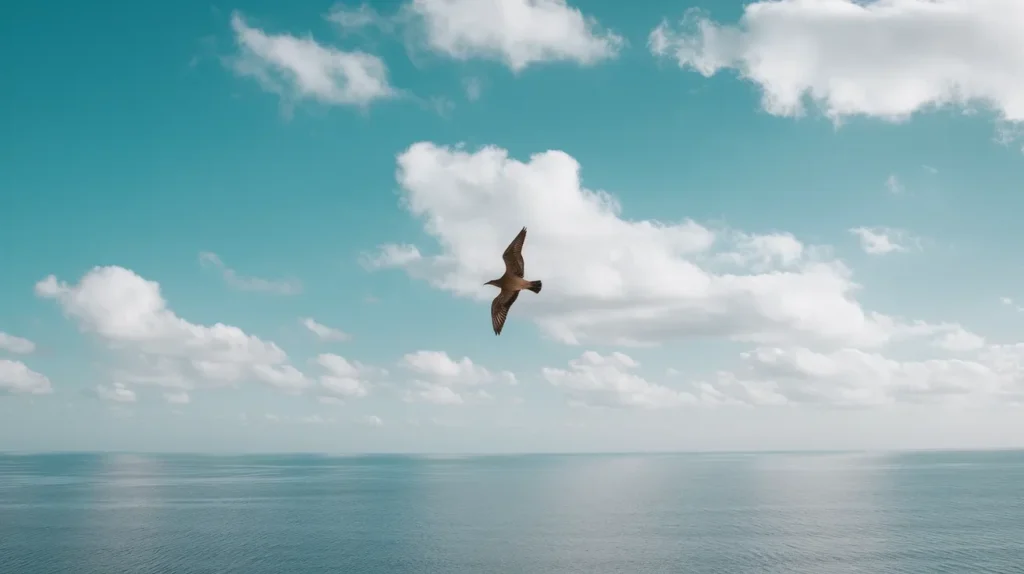
6. Alone like a bird without a flock
Meaning:
Separated from companionship or belonging.
Usage Insight:
Useful in storytelling and emotional scenes.
Examples:
- He felt alone like a bird without a flock.
- She wandered alone like a bird without a flock, searching for connection.
7. Alone like a shadow at dusk
Meaning:
Quiet, fading, and unnoticed.
Usage Insight:
Works well in descriptive or poetic writing.
Examples:
- He stood alone like a shadow at dusk.
- She felt alone like a shadow at dusk, slowly disappearing.
8. Alone like a book on a dusty shelf
Meaning:
Forgotten or ignored.
Usage Insight:
Great for metaphorical storytelling.
Examples:
- He felt alone like a book on a dusty shelf.
- She sat alone like a book on a dusty shelf, waiting to be noticed.
9. Alone like a cloud in a clear sky
Meaning:
Isolated but peaceful.
Usage Insight:
Ideal for calm and reflective tones.
Examples:
- She felt alone like a cloud in a clear sky.
- He drifted alone like a cloud in a clear sky, free yet distant.
10. Alone like a wolf in the wilderness
Meaning:
Independent yet solitary.
Usage Insight:
Strong for character-driven writing.
Examples:
- He lived alone like a wolf in the wilderness.
- She walked alone like a wolf in the wilderness, fearless and free.
11. Alone like a drop of rain on glass
Meaning:
Small, unnoticed, and fleeting.
Usage Insight:
Works well in emotional descriptions.
Examples:
- She felt alone like a drop of rain on glass.
- He stood alone like a drop of rain on glass, quiet and unnoticed.
12. Alone like a lighthouse on a cliff
Meaning:
Isolated but guiding others.
Usage Insight:
Perfect for symbolic or inspirational writing.
Examples:
- He stood alone like a lighthouse on a cliff.
- She felt alone like a lighthouse on a cliff, shining for others.
13. Alone like a path through a forest
Meaning:
Quiet, solitary, and reflective.
Usage Insight:
Great for nature-based descriptions.
Examples:
- He walked alone like a path through a forest.
- She felt alone like a path through a forest, silent and still.
14. Alone like a stone in a river
Meaning:
Still and separated despite movement around.
Usage Insight:
Useful for contrast in writing.
Examples:
- He felt alone like a stone in a river.
- She stood alone like a stone in a river, unmoved by the flow.
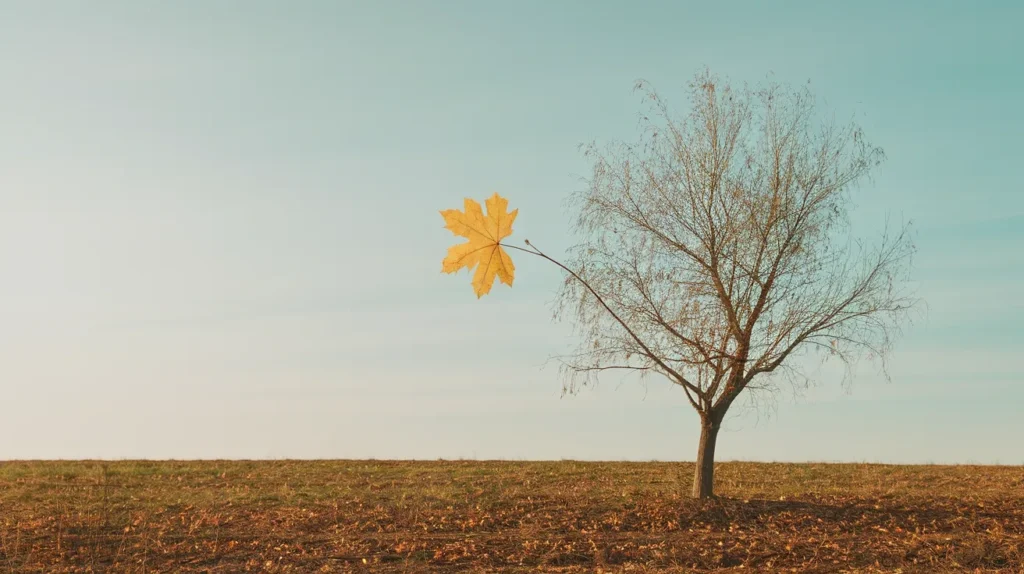
15. Alone like the last leaf on a tree
Meaning:
The final presence, isolated and fragile.
Usage Insight:
Ideal for emotional or dramatic scenes.
Examples:
- She felt alone like the last leaf on a tree.
- He stood alone like the last leaf on a tree, holding on quietly.
How to Use Similes Effectively in Writing
To make your writing more engaging, use similes thoughtfully and naturally. Songs often use similes to create memorable and emotional lines. Always choose comparisons that fit the tone and context, and avoid overusing them. A strong simile should feel fresh, clear, and meaningful, not forced or repetitive.
FAQs
1. What are the best similes for alone?
The best similes for alone are those that clearly express isolation, such as “alone like an island in the ocean” or “alone like a single tree in a field.”
2. What is the difference between a simile and a metaphor?
A simile uses “like” or “as” to compare, while a metaphor directly states that something is something else.
3. Why are similes important in writing?
Similes make writing more vivid, emotional, and easier to understand.
4. Can similes be used in academic writing?
Yes, but they should be used carefully to clarify ideas, not make writing too informal.
5. How do I create my own similes?
Think about the feeling you want to describe and compare it to something familiar with a similar quality.
Conclusion
The best similes for alone bring emotion, clarity, and vivid imagery into your writing. They help readers not only understand loneliness but also feel its depth and meaning. By using thoughtful comparisons inspired by nature, everyday life, and human experience, you can turn simple sentences into powerful expressions. Whether you are writing poetry, stories, or essays, similes allow your words to connect more deeply with your audience. Use them wisely, and your writing will become more expressive, memorable, and alive.