
Language becomes vivid and expressive when we use similes to describe feelings that are hard to put into words. A simile is a figure of speech that compares two different things using “like” or “as,” helping readers visualize emotions more clearly. These comparisons bring life to writing by turning abstract ideas into relatable images. Awkward moments, in particular, can feel difficult to explain, but similes make them easier to understand and even enjoyable to read about. In figurative language, similes are powerful tools because they connect emotions to everyday experiences.
Interestingly, nature—especially trees—often inspires meaningful comparisons, symbolizing strength, growth, resilience, wisdom, and deep human emotion. Trees stand firm through storms, just as people navigate uncomfortable or awkward situations in life. By blending such imagery into similes, writers can create deeper emotional impact. In this article, you’ll discover the best similes for awkward, along with meanings, usage tips, and examples to elevate your writing.
What Is a Simile?
A simile is a figure of speech that compares two different things using the words “like” or “as” to create a vivid image.
Example: He stood as still as a statue.
This comparison helps the reader clearly imagine stillness by relating it to something familiar.
1. As awkward as a penguin on land
Meaning:
Feeling clumsy or out of place.
Usage Insight:
Works well when describing physical awkwardness or social discomfort.
Examples:
- He felt as awkward as a penguin on land during his first dance class.
- She stood there, as awkward as a penguin on land, unsure of what to say.
2. As awkward as a silence after a joke
Meaning:
A deeply uncomfortable pause or reaction.
Usage Insight:
Perfect for social or conversational awkwardness.
Examples:
- The room went as awkward as a silence after a joke when no one laughed.
- His comment landed as awkward as a silence after a joke.
3. Like a giraffe trying to hide
Meaning:
Being noticeable while trying not to be.
Usage Insight:
Great for describing failed attempts to blend in.
Examples:
- He looked like a giraffe trying to hide in the crowded room.
- Her bright outfit made her feel like a giraffe trying to hide.
4. As awkward as a broken handshake
Meaning:
Social interaction gone wrong.
Usage Insight:
Ideal for describing failed greetings or introductions.
Examples:
- Their meeting began as awkward as a broken handshake.
- He laughed nervously, the moment as awkward as a broken handshake.
5. Like a cat walking on ice
Meaning:
Nervous, unstable, or unsure movement.
Usage Insight:
Best for physical or emotional unease.
Examples:
- She walked into the meeting like a cat on ice.
- His steps were like a cat walking on ice, careful and hesitant.
6. As awkward as a missed step on the stairs
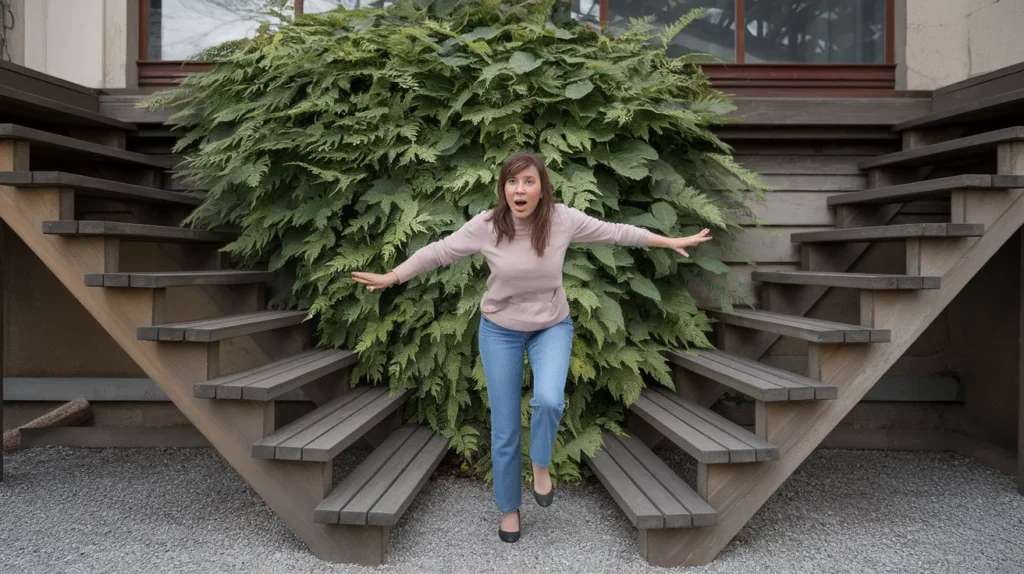
Meaning:
Sudden embarrassment or imbalance.
Usage Insight:
Useful for unexpected awkward situations.
Examples:
- The conversation turned as awkward as a missed step on the stairs.
- He paused mid-sentence, as awkward as a missed step.
7. Like a tree in the wrong season
Meaning:
Feeling out of place or disconnected.
Usage Insight:
A poetic, nature-inspired simile.
Examples:
- She felt like a tree in the wrong season at the party.
- His outfit made him look like a tree in the wrong season.
8. As awkward as wearing shoes on the wrong feet
Meaning:
Uncomfortable and unnatural feeling.
Usage Insight:
Good for describing personal discomfort.
Examples:
- The formal suit felt as awkward as shoes on the wrong feet.
- He smiled, though the situation felt as awkward as wearing shoes on the wrong feet.
9. Like a robot learning to dance
Meaning:
Stiff, unnatural movement or behavior.
Usage Insight:
Great for describing lack of fluidity.
Examples:
- He danced like a robot learning to dance.
- Her movements were like a robot learning to dance, stiff and unsure.
10. As awkward as a phone ringing in a quiet room
Meaning:
Disruptive and uncomfortable attention.
Usage Insight:
Perfect for sudden, noticeable awkward moments.
Examples:
- His loud comment felt as awkward as a phone ringing in silence.
- The mistake stood out like a phone ringing in a quiet room.
11. Like a fish trying to climb a tree
Meaning:
Completely out of place or incapable.
Usage Insight:
Useful for describing mismatched situations.
Examples:
- He felt like a fish trying to climb a tree in the debate.
- She struggled like a fish trying to climb a tree.
12. As awkward as a mismatched puzzle piece
Meaning:
Not fitting into a situation.
Usage Insight:
Great for emotional or social disconnect.
Examples:
- He felt as awkward as a mismatched puzzle piece.
- Her response was as awkward as a piece that didn’t fit.
13. Like a balloon losing air mid-flight
Meaning:
Sudden loss of confidence or energy.
Usage Insight:
Ideal for emotional awkwardness.
Examples:
- His excitement faded like a balloon losing air mid-flight.
- She spoke, then paused like a balloon deflating.
14. As awkward as a spotlight in the dark
Meaning:
Feeling overly exposed or noticed.
Usage Insight:
Useful for moments of unwanted attention.
Examples:
- He felt as awkward as a spotlight in the dark.
- Her mistake made her feel like she was under a spotlight.
15. Like a shadow that doesn’t belong

Meaning:
Feeling disconnected or out of place.
Usage Insight:
A poetic way to describe emotional awkwardness.
Examples:
- She stood there like a shadow that didn’t belong.
- He felt like a shadow that didn’t match the scene.
How to Use Similes Effectively in Writing
Using similes well can transform ordinary writing into something memorable. In poems, similes create rhythm and emotional depth by linking feelings to vivid imagery. In stories, they help readers connect with characters by illustrating their emotions clearly. When writing essays, similes can simplify complex ideas and make arguments more engaging. Songwriters often use similes to create relatable and emotional lyrics. For creative descriptions, always choose comparisons that feel natural and relevant rather than forced. Keep your similes fresh and original to avoid clichés. Most importantly, use them sparingly so they enhance your writing without overwhelming it.
FAQs
1. What are the best similes for awkward situations?
The best similes are those that clearly show discomfort, such as “as awkward as a silence after a joke” or “like a cat walking on ice.”
2. What is the difference between a simile and a metaphor?
A simile uses “like” or “as” to compare, while a metaphor directly states that one thing is another.
3. Why are similes important in writing?
Similes make writing more vivid, relatable, and engaging by connecting ideas to familiar images.
4. Can similes be used in academic writing?
Yes, but they should be used carefully to clarify ideas rather than make the text overly informal.
5. How can I create my own similes?
Think of a feeling or situation, then compare it to something familiar that shares similar qualities.
Conclusion
Similes are powerful tools that bring clarity and emotion to language, especially when describing awkward moments that are otherwise hard to explain. The best similes for awkward capture discomfort, hesitation, and imbalance in ways that readers instantly understand. By using creative comparisons inspired by everyday life and nature, you can make your writing more engaging and memorable. Whether you’re crafting stories, poems, or essays, these similes add depth, imagery, and personality to your words. With practice, you’ll not only use similes effectively but also create your own unique expressions. Keep experimenting, stay creative, and let your language grow as strong and expressive as the imagery you choose.