
Color has the power to shape how we feel, and red is one of the most intense and expressive colors in language. To describe it effectively, writers often turn to similes, which create vivid comparisons using simple and relatable imagery. A simile compares two different things using words like “as” or “like,” helping readers clearly imagine what is being described. In figurative language, similes are essential because they add depth, clarity, and emotional impact to writing.
They transform ordinary descriptions into memorable images that stay with the reader. Nature often inspires the strongest similes, and trees in particular symbolize strength, growth, and resilience. Just like trees that endure storms and seasons, human emotions also evolve and deepen over time. Trees represent wisdom, patience, and silent endurance, making them powerful symbols in expressive comparisons. By using similes for red, writers can capture passion, danger, beauty, and intensity in ways that feel alive and unforgettable.
What Is a Simile?
A simile is a figure of speech that compares two unlike things using the words “like” or “as” to create a clear and vivid image.
Example: Her dress was as red as a blazing fire.
This comparison helps the reader instantly imagine the brightness and intensity of the color.
1. As red as a blazing fire
Meaning:
Extremely bright, intense red.
Usage Insight:
Perfect for describing strong emotions like passion, anger, or energy.
Examples:
- His face turned as red as a blazing fire during the argument.
- The sunset burned, as red as a blazing fire across the sky.
2. As red as a ripe apple
Meaning:
Fresh, natural, and healthy redness.
Usage Insight:
Ideal for describing cheeks, fruit, or youthful glow.
Examples:
- Her cheeks were as red as a ripe apple in the cold air.
- The fruit looked delicious, as red as a ripe apple on the tree.
3. As red as a rose in bloom
Meaning:
Deep, romantic, and beautiful red.
Usage Insight:
Works well in love poetry and descriptive writing.
Examples:
- Her lips were as red as a rose in bloom.
- The garden glowed, as red as roses opening in spring.
4. As red as fresh blood
Meaning:
Dark, vivid, and sometimes shocking red.
Usage Insight:
Best for intense or dramatic descriptions.
Examples:
- The paint splashed across the canvas, as red as fresh blood.
- His wound looked as red as fresh blood under the harsh light.
5. As red as a burning ember
Meaning:
Glowing, deep red with warmth.
Usage Insight:
Great for subtle intensity or slow-burning emotion.
Examples:
- Her eyes glowed, as red as a burning ember in the dark.
- The coals flickered, as red as embers in the night.
6. As red as autumn leaves

Meaning:
Warm, natural red with a hint of nostalgia.
Usage Insight:
Ideal for seasonal or reflective writing.
Examples:
- The trees stood as red as autumn leaves in the fading light.
- His scarf was as red as leaves falling in October.
7. As red as a cherry
Meaning:
Bright, cheerful, and lively red.
Usage Insight:
Perfect for playful or light descriptions.
Examples:
- Her lips were as red as a cherry.
- The car gleamed, as red as a cherry in the sun.
8. As red as a warning light
Meaning:
Bright and attention-grabbing red.
Usage Insight:
Best for urgency, danger, or alertness.
Examples:
- His anger flashed, as red as a warning light.
- The signal blinked, as red as a warning light in the dark.
9. As red as molten lava
Meaning:
Fiery, intense, and powerful red.
Usage Insight:
Ideal for dramatic or explosive imagery.
Examples:
- The sky glowed, as red as molten lava at dusk.
- His rage burned, as red as flowing lava.
10. As red as a sunset sky
Meaning:
Soft yet vivid red with emotional depth.
Usage Insight:
Perfect for calm, reflective scenes.
Examples:
- The horizon stretched, as red as a sunset sky.
- Her thoughts drifted, as red as the evening clouds.
11. As red as a ruby gemstone
Meaning:
Rich, luxurious, and deep red.
Usage Insight:
Works well for elegance and beauty.
Examples:
- Her necklace shone, as red as a ruby gemstone.
- The fabric glimmered, as red as polished ruby.
12. As red as flushed cheeks
Meaning:
Natural redness from emotion or temperature.
Usage Insight:
Ideal for embarrassment, excitement, or cold weather.
Examples:
- His face turned as red as flushed cheeks after running.
- She smiled, as red as cheeks touched by winter air.
13. As red as a forest in fall
Meaning:
Rich, layered, and natural red tones.
Usage Insight:
Great for scenic and descriptive writing.
Examples:
- The hills looked as red as a forest in fall.
- The view stretched wide, as red as autumn woods.
14. As red as a glowing coal
Meaning:
Deep, steady red with quiet intensity.
Usage Insight:
Perfect for subtle emotion or hidden passion.
Examples:
- His anger simmered, as red as a glowing coal.
- The fire dimmed, leaving coals as red as the night.
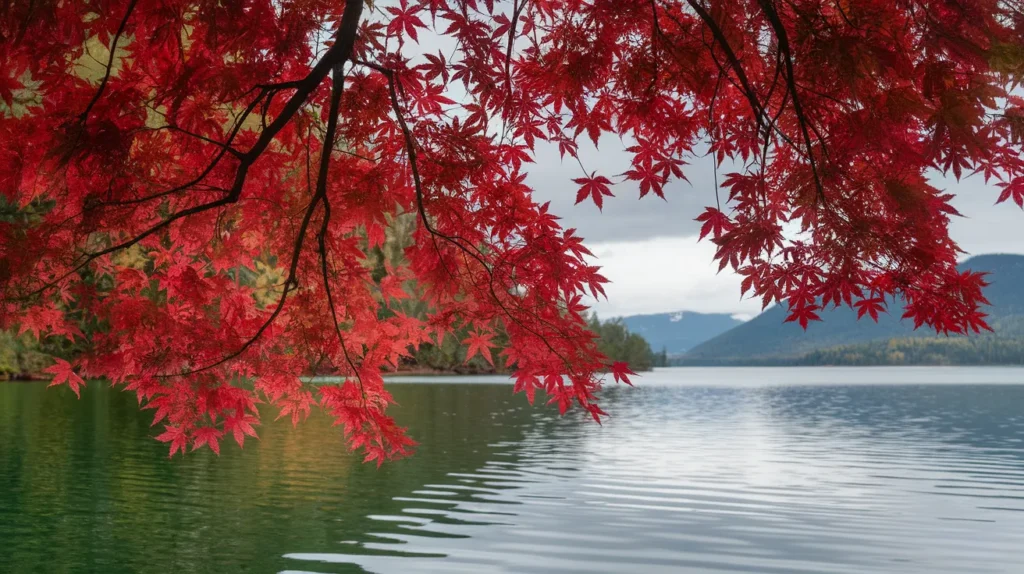
15. As red as a blooming maple tree
Meaning:
Vibrant, natural, and symbolic red.
Usage Insight:
Ideal for poetic and nature-inspired writing.
Examples:
- The landscape shone, as red as a blooming maple tree.
- Her dress flowed, as red as leaves on a maple in autumn.
How to Use Similes Effectively in Writing
Using similes effectively can greatly improve your writing style. Here are some helpful tips:
- Choose familiar comparisons: Make your similes easy to understand.
- Use nature imagery: Trees, seasons, and colors create strong emotional connections.
- Avoid clichés: Try to create fresh and original comparisons.
- Match the tone: Ensure the simile fits the mood of your writing.
- Use sparingly: Too many similes can distract the reader.
- Practice creativity: Experiment with different ideas and images.
- Apply across formats: Similes work well in poems, stories, essays, and songs.
FAQs
1. What are powerful similes for red?
They are vivid comparisons that describe the color red using strong, relatable imagery.
2. What is the difference between a simile and a metaphor?
A simile uses “like” or “as,” while a metaphor directly compares without those words.
3. Why are similes important in writing?
They make descriptions more engaging, clear, and emotionally impactful.
4. Can similes be used in academic writing?
Yes, but they should be used carefully to maintain clarity and formality.
5. How can I create my own similes for colors?
Think about objects or elements that share the same color and emotional tone.
Conclusion
Powerful similes for red bring color to life through vivid and memorable comparisons. They help writers express intensity, beauty, danger, and emotion with clarity and creativity. By drawing inspiration from nature, especially symbolic elements like trees, similes become even more meaningful and expressive. Whether you are crafting poetry, storytelling, or descriptive writing, these similes can elevate your language. They transform simple descriptions into rich, engaging imagery that resonates with readers. Keep exploring, stay creative, and let your words shine as brightly as the color you describe.