
Language becomes more vivid and expressive when we use figurative tools like similes and metaphors. Similes are comparisons that use the words “like” or “as” to connect two different ideas in a clear and engaging way. They are essential in figurative language because they help readers visualize thoughts, emotions, and descriptions more easily. Writers use similes to make their work more relatable and memorable. In literature, similes create strong imagery that stays in the reader’s mind.
Nature often inspires the best similes, especially trees, which symbolize strength, growth, resilience, wisdom, and human emotion. A tree can bend in storms yet remain rooted, just like people facing life’s challenges. By understanding similes and how they differ from metaphors, you can improve your writing and communicate more effectively.
What Is a Simile?
A simile is a figure of speech that compares two different things using “like” or “as” to create a vivid image.
Example: Her thoughts spread like branches reaching toward the sky.
1. As Strong as an Oak
Meaning:
Deep strength and stability.
Usage Insight:
Best for describing resilience and reliability.
Examples:
- He stood as strong as an oak during difficult times.
- Her confidence was as strong as an oak rooted in the earth.
2. As Bright as Sunlight Through Leaves
Meaning:
Clear, warm, and uplifting.
Usage Insight:
Perfect for positivity and clarity.
Examples:
- Her smile was as bright as sunlight through leaves.
- The idea felt as bright as light filtering through trees.
3. As Calm as a Forest Lake
Meaning:
Peaceful and still.
Usage Insight:
Ideal for serene descriptions.
Examples:
- His mind was as calm as a forest lake.
- The evening felt as calm as still water in the woods.
4. As Steady as Tree Roots
Meaning:
Firm and dependable.
Usage Insight:
Great for emotional strength.
Examples:
- Her support was as steady as tree roots.
- He remained grounded, as steady as roots in soil.
5. As Gentle as Falling Leaves
Meaning:
Soft and delicate.
Usage Insight:
Best for kind actions or emotions.
Examples:
- Her voice was as gentle as falling leaves.
- He moved as gently as leaves drifting down.
6. As Deep as the Forest Floor
Meaning:
Rich and complex depth.
Usage Insight:
Ideal for thoughts and emotions.
Examples:
- His feelings were as deep as the forest floor.
- Her words carried depth as deep as woodland soil.
7. As Free as Wind Through Trees
Meaning:
Complete freedom and flow.
Usage Insight:
Perfect for expressive writing.
Examples:
- She felt as free as wind through trees.
- His ideas moved as freely as air through branches.
8. As Strong as a Mountain
Meaning:
Unshakable strength.
Usage Insight:
Works well in powerful descriptions.
Examples:
- He stood as strong as a mountain.
- Their bond was as strong as a mountain.
9. As Quiet as Moss
Meaning:
Extremely silent and soft.
Usage Insight:
Useful for calm scenes.
Examples:
- He walked as quiet as moss on stone.
- The room was as quiet as soft moss.
10. As Fresh as Spring Leaves
Meaning:
New and full of life.
Usage Insight:
Great for beginnings.
Examples:
- Her ideas were as fresh as spring leaves.
- The morning felt as fresh as new growth.
11. As Flexible as a Willow
Meaning:
Able to adapt easily.
Usage Insight:
Perfect for resilience.
Examples:
- She remained as flexible as a willow.
- His mindset bent as easily as a willow branch.
12. As Bright as a Spark
Meaning:
Sudden brilliance.
Usage Insight:
Ideal for creativity.
Examples:
- His idea was as bright as a spark.
- Her talent shone as bright as a spark in darkness.
13. As Strong as Flowing Water
Meaning:
Quiet but unstoppable force.
Usage Insight:
Best for persistence.
Examples:
- Her determination was as strong as flowing water.
- He moved forward as strong as a river.
14. As Wise as Old Trees
Meaning:
Deep wisdom.
Usage Insight:
Great for experience.
Examples:
- His advice was as wise as old trees.
- She spoke with wisdom as ancient as forests.
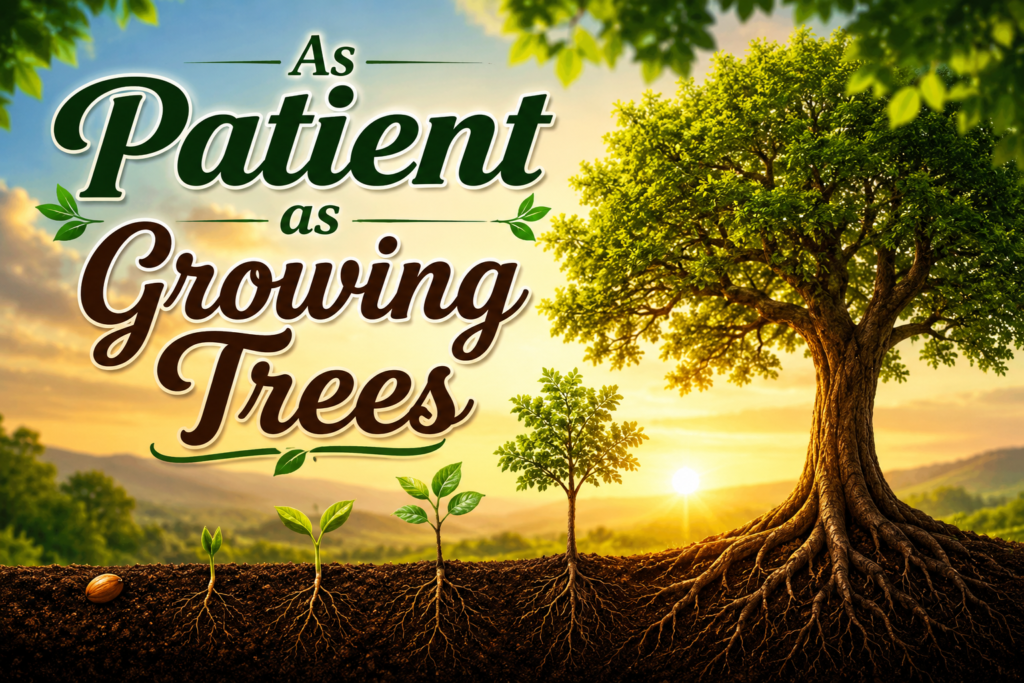
15. As Patient as Growing Trees
Meaning:
Slow and steady patience.
Usage Insight:
Perfect for long journeys.
Examples:
- He waited as patient as growing trees.
- Success came as slowly as trees reaching the sky.
How to Use Similes Effectively in Writing
Similes can make your writing clearer, more vivid, and more engaging. In poetry, they add rhythm and emotional depth that captures attention. In stories, similes help readers imagine scenes and connect with characters. Essays benefit from similes by simplifying complex ideas. Songwriters use them to create emotional impact and memorable lines. To use similes effectively, keep them natural and relevant. Avoid overusing them, as too many comparisons can confuse readers. Choose images your audience understands easily. Always use similes to enhance your message, not distract from it.
FAQs
1. What is the difference between simile vs metaphor?
A simile uses “like” or “as” to compare, while a metaphor directly states one thing is another.
2. What are similes in literature?
They are comparisons used by writers to create vivid imagery and deeper meaning.
3. Why are similes important?
They make writing more expressive, clear, and engaging.
4. Can similes be used in academic writing?
Yes, but they should be used carefully for clarity.
5. Which is better, simile or metaphor?
Both are useful; the choice depends on the tone and purpose of your writing.
Conclusion
Understanding simile vs metaphor helps you use language more effectively and creatively. Similes add clarity and vivid imagery, while metaphors create deeper and more direct comparisons. When used well, similes bring life, emotion, and meaning into your writing. Nature-inspired similes, especially those based on trees, offer powerful ways to express strength, growth, and resilience. By mastering these tools, you can transform simple sentences into impactful and memorable expressions. Strong writing begins with strong comparisons, and similes are one of the best ways to achieve that.