Similes are one of the most effective tools in writing, helping you turn strong emotions into clear and memorable images. They compare one thing to another using words like “as” or “like,” making abstract feelings easier to understand. In figurative language, similes add depth, color, and emotional impact to your words. When describing anger or madness, simple language often falls short, but similes bring intensity and clarity.
Nature is a powerful source of inspiration, especially when expressing strong emotions. Trees, for example, symbolize strength, growth, resilience, wisdom, and deep human emotion. Just as trees bend in storms yet remain rooted, human emotions can be fierce yet meaningful. By using similes inspired by nature and everyday life, you can describe anger in ways that feel vivid, relatable, and powerful.
What Is a Simile?
A simile is a figure of speech that compares two different things using the words “like” or “as” to highlight a shared quality.
Example: He was as mad as a storm tearing through the forest.
1. As Mad as a Storm Breaking the Sky
Meaning:
Extremely intense and uncontrollable anger.
Usage Insight:
Best for dramatic or emotional scenes.
Examples:
- He shouted as mad as a storm breaking the sky.
- Her voice rose as mad as thunder splitting the clouds.
2. Like Fire Racing Through Dry Leaves
Meaning:
Anger spreading quickly and fiercely.
Usage Insight:
Ideal for sudden bursts of emotion.
Examples:
- His temper flared like fire racing through dry leaves.
- Anger spread through her like a fast-moving flame.
3. As Mad as a Volcano Ready to Erupt
Meaning:
Suppressed anger about to explode.
Usage Insight:
Perfect for building tension.
Examples:
- He stood silent, as mad as a volcano ready to erupt.
- Her calm face hid anger as powerful as molten lava.
4. Like a Lion Roaring in the Wild
Meaning:
Loud, fearless, and dominant anger.
Usage Insight:
Great for strong characters.
Examples:
- He argued like a lion roaring in the wild.
- Her words came out like a fierce roar.
5. As Mad as Thunder Crashing Overhead
Meaning:
Loud and overwhelming rage.
Usage Insight:
Useful in intense moments.
Examples:
- His anger was as mad as thunder crashing overhead.
- The room shook with his storm-like fury.
6. Like a River Flooding Its Banks
Meaning:
Emotion overflowing uncontrollably.
Usage Insight:
Best for emotional breakdowns.
Examples:
- Her anger poured out like a river flooding its banks.
- He lost control like water rushing beyond its limits.
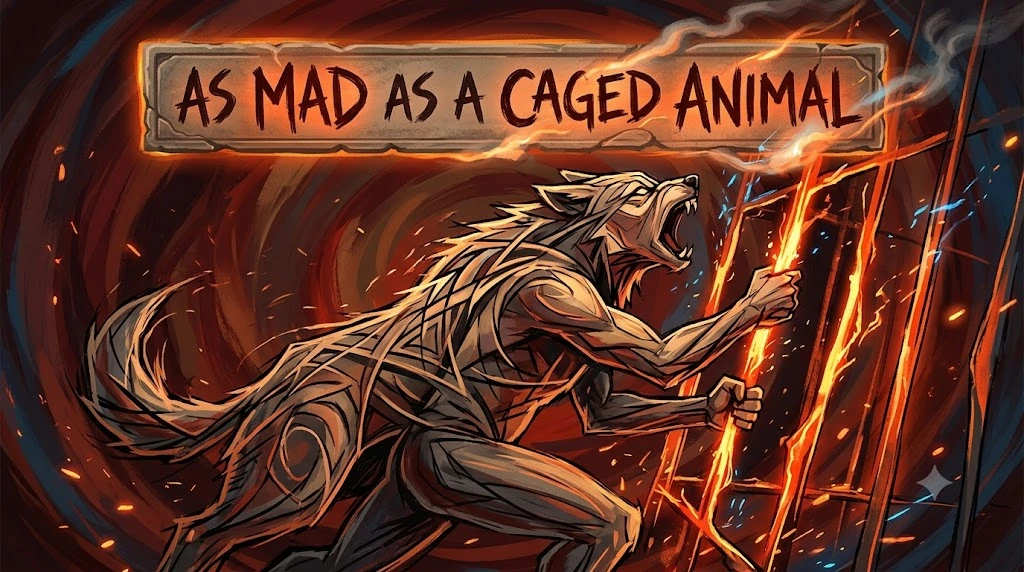
7. As Mad as a Caged Animal
Meaning:
Frustrated and trapped anger.
Usage Insight:
Ideal for internal conflict.
Examples:
- He paced as mad as a caged animal.
- Her thoughts raged like something trapped inside.
8. Like Sparks Flying from Steel
Meaning:
Sudden flashes of anger.
Usage Insight:
Works for quick reactions.
Examples:
- His words came out like sparks flying from steel.
- Anger flashed in her eyes like quick sparks.
9. As Mad as a Blazing Wildfire
Meaning:
Destructive and uncontrollable rage.
Usage Insight:
Great for powerful scenes.
Examples:
- He burned as mad as a blazing wildfire.
- Her fury spread like flames across a forest.
10. Like a Tornado Spinning Out of Control
Meaning:
Chaotic and destructive anger.
Usage Insight:
Best for unpredictable behavior.
Examples:
- He acted like a tornado spinning out of control.
- Her emotions swirled in chaos.
11. As Mad as Waves Crashing Against Rocks
Meaning:
Repeated, forceful anger.
Usage Insight:
Ideal for ongoing conflict.
Examples:
- His anger came as mad as waves crashing against rocks.
- She argued with relentless force.
12. Like Ice Cracking Under Pressure
Meaning:
Sudden breaking point.
Usage Insight:
Perfect for quiet tension.
Examples:
- His patience snapped like ice cracking under pressure.
- She broke her silence in a sharp burst.
13. As Mad as a Boiling Pot
Meaning:
Anger building steadily.
Usage Insight:
Useful for gradual tension.
Examples:
- He grew as mad as a boiling pot.
- Her frustration simmered before spilling over.
14. Like a Wolf Protecting Its Territory
Meaning:
Defensive and aggressive anger.
Usage Insight:
Great for protective emotions.
Examples:
- He reacted like a wolf protecting its territory.
- Her tone turned sharp and guarded.
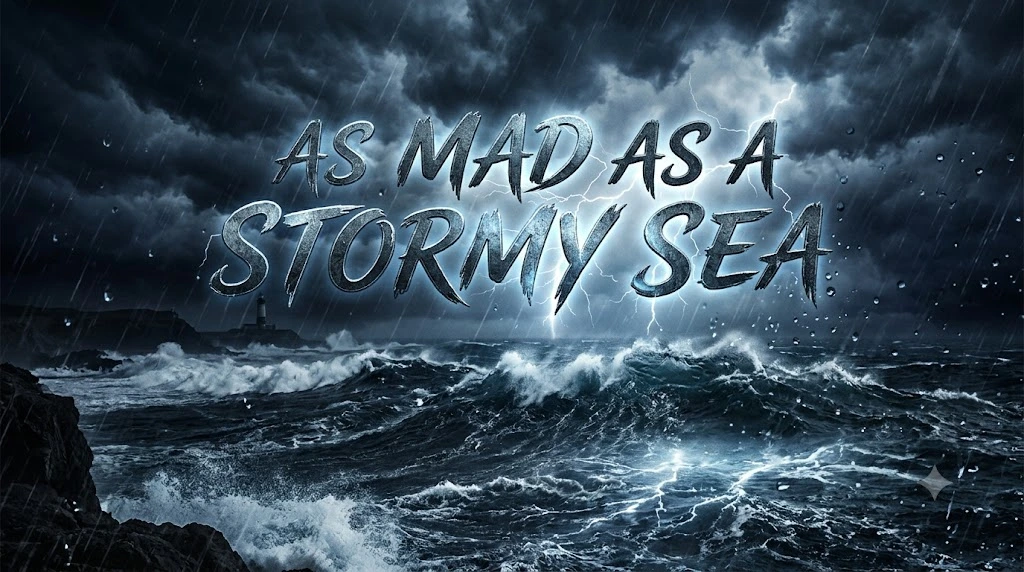
15. As Mad as a Stormy Sea
Meaning:
Deep, restless, and powerful anger.
Usage Insight:
Ideal for emotional depth.
Examples:
- His heart felt as mad as a stormy sea.
- Her thoughts churned with restless anger.
How to Use Similes Effectively in Writing
Using similes effectively can make your writing stronger and more engaging:
- Choose vivid imagery: Use nature and everyday experiences for clarity.
- Match emotion with comparison: Strong emotions need powerful similes.
- Avoid clichés: Try to create fresh and original comparisons.
- Keep it natural: Similes should flow smoothly in sentences.
- Use in different writing forms: They work well in poems, stories, essays, and songs.
- Focus on impact: Use similes where they add meaning, not just decoration.
FAQs
1. What are powerful similes for mad?
They are comparisons that describe anger vividly, such as “as mad as a storm” or “like a wildfire.”
2. What is the difference between a simile and a metaphor?
A simile uses “like” or “as,” while a metaphor directly compares without those words.
3. Why use similes to describe anger?
They make strong emotions clearer, more relatable, and more vivid.
4. Can similes be used in academic writing?
Yes, but they should be used carefully to explain ideas clearly.
5. How can I create my own similes for anger?
Think of powerful natural events or actions and compare them to emotions using “like” or “as.”
Conclusion
Powerful similes for mad help transform intense emotions into clear and striking imagery. By comparing anger to storms, fire, or wild forces of nature, you give your readers a deeper understanding of its strength and impact. Like trees standing firm through storms, emotions may be strong but meaningful—and similes allow you to express them beautifully. When used thoughtfully, these comparisons bring clarity, creativity, and emotional depth to your writing, making every sentence more engaging and unforgettable.