Similes are one of the most beautiful tools in the English language, helping us compare one thing to another using words like “as” or “like.” They allow writers to express emotions, ideas, and images in a way that feels vivid and relatable. In figurative language, similes stand out because they simplify complex feelings into clear, memorable comparisons. Whether in poetry, storytelling, or everyday speech, similes bring depth and color to words.
Among them, sad similes are especially powerful because they capture emotions that are often hard to explain. Nature similes, especially those involving trees, are deeply meaningful because trees symbolize strength, growth, resilience, wisdom, and human emotion. Just like people, trees bend in storms, shed parts of themselves, and still continue to grow. This makes them perfect symbols for sadness, loss, and quiet endurance. By using thoughtful comparisons, writers can turn simple sentences into emotionally rich expressions.
What Is a Simile?
A simile is a figure of speech that compares two different things using the words like or as.
Example: Her voice trembled like leaves in a storm.
This comparison helps the reader feel the fear or sadness in a vivid, sensory way.
As lonely as a tree in a barren field
Meaning:
Deep isolation and emotional emptiness.
Usage Insight:
Works well when describing solitude or abandonment in emotional or physical settings. Examples:
- He stood at the window, as lonely as a tree in a barren field.
- After everyone left, the house felt as lonely as a tree in a barren field.
Like a leaf falling without a sound
Meaning:
Quiet sadness or unnoticed pain.
Usage Insight:
Ideal for subtle emotional moments or internal struggles.
Examples:
- Her tears slipped down like a leaf falling without a sound.
- His dreams faded like a leaf falling without a sound.
As empty as a broken nest
Meaning:
Loss of comfort, belonging, or family.
Usage Insight:
Perfect for themes of separation or grief.
Examples:
- Without her children, the home felt as empty as a broken nest.
- His heart was as empty as a broken nest after the goodbye.
Like a shadow fading at dusk

Meaning:
Gradual loss or fading hope.
Usage Insight:
Great for reflective or poetic writing.
Examples:
- Her happiness disappeared like a shadow fading at dusk.
- The memory lingered, then vanished like a shadow fading at dusk.
As cold as winter without sunlight
Meaning:
Emotional coldness and lack of warmth or love.
Usage Insight:
Useful in describing loneliness or emotional distance.
Examples:
- His silence was as cold as winter without sunlight.
- The room felt as cold as winter without sunlight after the argument.
Like rain falling on a forgotten grave
Meaning:
Deep sorrow tied to memory or loss.
Usage Insight:
Strong imagery for grief or remembrance.
Examples:
- Her tears fell like rain on a forgotten grave.
- The song echoed like rain falling on a forgotten grave.
As fragile as a dying flower
Meaning:
Weakness, vulnerability, or fading life.
Usage Insight:
Works well for emotional or physical fragility.
Examples:
- He looked as fragile as a dying flower.
- Her hope felt as fragile as a dying flower.
Like a candle flickering in the wind
Meaning:
Unstable hope or fading strength.
Usage Insight:
Perfect for moments of uncertainty.
Examples:
- His courage was like a candle flickering in the wind.
- The last bit of hope burned like a candle flickering in the wind.
As silent as snowfall at midnight
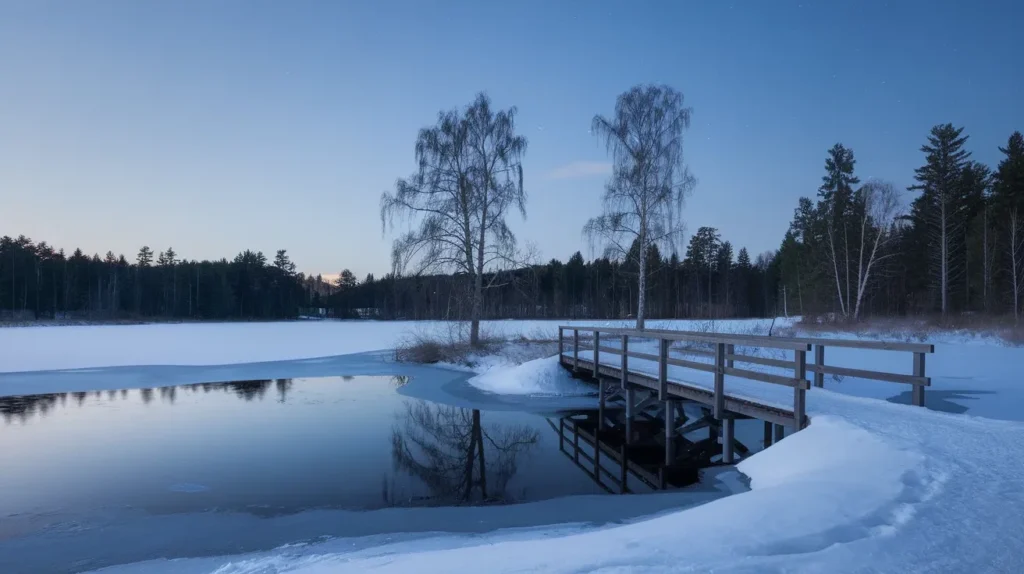
Meaning:
Quiet sadness or peaceful sorrow.
Usage Insight:
Ideal for calm, reflective emotional scenes.
Examples:
- The room was as silent as snowfall at midnight.
- Her grief was as silent as snowfall at midnight.
Like a river that has lost its way
Meaning:
Feeling lost or directionless.
Usage Insight:
Great for personal struggles or confusion.
Examples:
- He wandered through life like a river that had lost its way.
- Her thoughts drifted like a river that has lost its way.
As heavy as clouds before a storm
Meaning:
Emotional burden or tension.
Usage Insight:
Works well in building emotional intensity.
Examples:
- His heart felt as heavy as clouds before a storm.
- The silence between them was as heavy as clouds before a storm.
Like a bird with broken wings
Meaning:
Powerlessness or inability to move forward.
Usage Insight:
Effective in describing emotional defeat.
Examples:
- She felt like a bird with broken wings after the loss.
- His dreams lay still like a bird with broken wings.
As distant as stars in a cloudy sky
Meaning:
Emotional distance or unattainable connection.
Usage Insight:
Useful in relationships or longing.
Examples:
- They felt as distant as stars in a cloudy sky.
- Her love seemed as distant as stars in a cloudy sky.
Like an echo in an empty valley
Meaning:
Loneliness and lack of response or connection.
Usage Insight:
Strong for expressing emotional emptiness.
Examples:
- His words felt like an echo in an empty valley.
- Her laughter sounded like an echo in an empty valley.
As faded as an old photograph
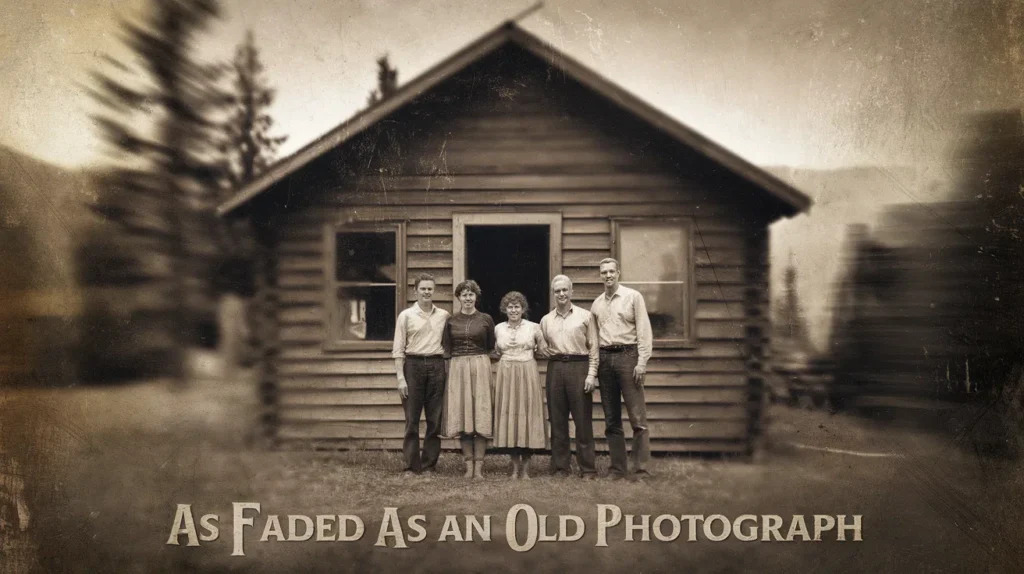
Meaning:
Loss of clarity, memory, or emotion over time.
Usage Insight:
Perfect for nostalgia and fading memories.
Examples:
- The memory was as faded as an old photograph.
- His feelings grew as faded as an old photograph.
How to Use Similes Effectively in Writing
Using similes well can transform your writing from simple to powerful. Start by choosing comparisons that feel natural and relatable rather than forced. In poems, focus on emotional depth and rhythm, allowing the simile to enhance the mood. In stories, use similes to reveal a character’s feelings or to paint vivid scenes. Essays benefit from clear and meaningful similes that explain ideas without confusion. Songwriters often rely on similes to create emotional hooks that listeners remember. In creative descriptions, combine nature similes with human emotions to build strong imagery. Always avoid overusing similes—quality matters more than quantity. Finally, make sure your comparisons are fresh and original to keep readers engaged.
FAQs
What are sad similes?
Sad similes are comparisons that express sorrow, loneliness, grief, or emotional pain using “like” or “as.”
What is the difference between a simile and a metaphor?
A simile uses “like” or “as” to compare, while a metaphor directly states that one thing is another.
Why are similes important in writing?
They make writing more vivid, emotional, and easier to understand by connecting ideas through comparisons.
Can similes be used in academic writing?
Yes, but they should be used carefully to clarify ideas rather than sound overly poetic.
How do I create original similes?
Think about emotions or ideas, then connect them to familiar images from nature, daily life, or personal experiences.
Conclusion
Sad similes are more than just comparisons—they are bridges between emotion and understanding. By using carefully crafted similes, writers can express deep feelings in ways that resonate with readers. Whether drawn from nature, memory, or imagination, these figurative language examples add clarity, imagery, and emotional depth to any piece of writing. When used thoughtfully, sad similes can transform ordinary sentences into powerful expressions that linger in the reader’s mind.