Similes are a powerful way to explain ideas that might otherwise feel confusing or hard to understand. They compare one thing to another using words like “as” or “like,” helping readers see a clear picture in their minds. In figurative language, similes are essential because they simplify abstract concepts and make writing more engaging. When something is complex, plain words often fail to capture its depth, but similes bring clarity and meaning.
Nature provides some of the best inspiration for these comparisons, especially when we think about trees. Trees symbolize strength, growth, resilience, wisdom, and deep human emotion, making them perfect for illustrating layered ideas. Just as a tree has roots, branches, and leaves working together, complex ideas are made up of many connected parts. By using similes inspired by nature and everyday life, writers can turn complicated thoughts into something vivid, relatable, and easy to understand.
What Is a Simile?
A simile is a figure of speech that compares two different things using the words “like” or “as” to highlight a shared quality.
Example: The problem was as complex as a maze with no clear exit.
1. As Complex as a Maze Without an Exit
Meaning:
Extremely confusing and difficult to navigate.
Usage Insight:
Ideal for describing problems or situations with no clear solution.
Examples:
- The instructions felt as complex as a maze without an exit.
- His thoughts were as complex as winding paths in a labyrinth.
2. Like a Web of Intertwined Threads
Meaning:
Many connected parts forming a complicated whole.
Usage Insight:
Perfect for systems, relationships, or ideas.
Examples:
- The story unfolded like a web of intertwined threads.
- Her plan was like threads woven tightly together.
3. As Complex as Roots Beneath a Tree
Meaning:
Deep, layered, and hidden complexity.
Usage Insight:
Great for unseen or underlying systems.
Examples:
- The issue was as complex as roots beneath a tree.
- His emotions ran as deep and complex as hidden roots.
4. Like a Puzzle with Missing Pieces
Meaning:
Incomplete and difficult to understand fully.
Usage Insight:
Useful for mysteries or unclear situations.
Examples:
- The case felt like a puzzle with missing pieces.
- Her explanation left gaps like an unfinished puzzle.
5. As Complex as a Stormy Sky
Meaning:
Ever-changing and unpredictable.
Usage Insight:
Ideal for emotional or dynamic situations.
Examples:
- His mood was as complex as a stormy sky.
- The situation shifted like clouds in a storm.
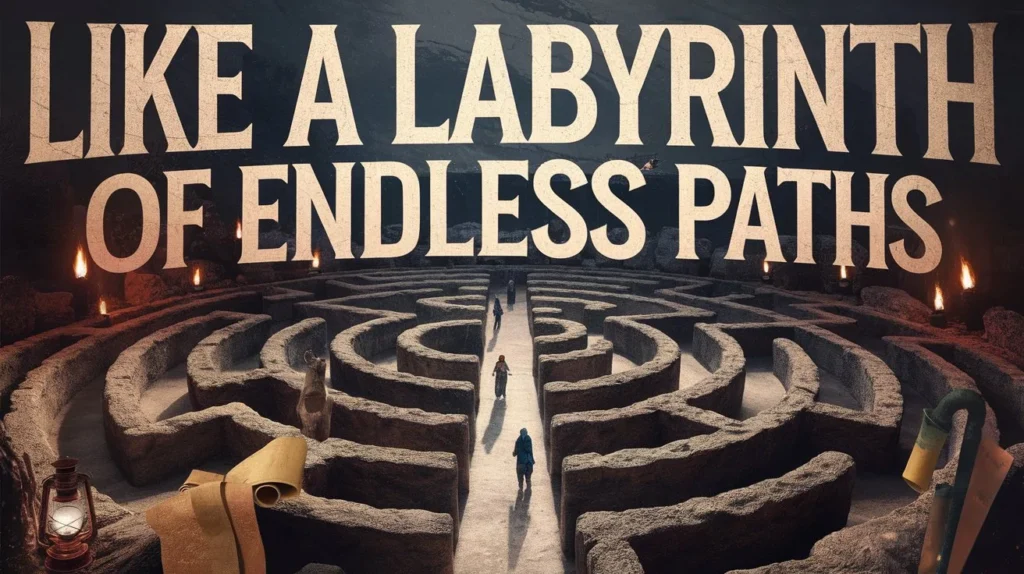
6. Like a Labyrinth of Endless Paths
Meaning:
Overwhelming and full of choices.
Usage Insight:
Great for decision-making scenarios.
Examples:
- Life seemed like a labyrinth of endless paths.
- The project grew into a maze of decisions.
7. As Complex as a Symphony of Sounds
Meaning:
Many elements working together harmoniously.
Usage Insight:
Perfect for creative or structured systems.
Examples:
- The design worked as complex as a symphony of sounds.
- His ideas blended like music in perfect harmony.
8. Like a Clock Full of Tiny Gears
Meaning:
Detailed and precise complexity.
Usage Insight:
Best for technical or mechanical ideas.
Examples:
- The machine operated like a clock full of tiny gears.
- Her plan was detailed down to the smallest part.
9. As Complex as a Forest Full of Life
Meaning:
Rich, layered, and interconnected.
Usage Insight:
Great for ecosystems or social systems.
Examples:
- The community was as complex as a forest full of life.
- Every detail connected like nature in balance.
10. Like Waves Colliding in the Ocean
Meaning:
Chaotic and overlapping elements.
Usage Insight:
Ideal for emotional conflict or confusion.
Examples:
- His thoughts crashed like waves colliding in the ocean.
- The argument became a swirl of overlapping voices.
11. As Complex as a Tapestry of Colors
Meaning:
Beautiful but intricate design.
Usage Insight:
Perfect for artistic or emotional descriptions.
Examples:
- Her personality was as complex as a tapestry of colors.
- The story unfolded in rich, layered tones.
12. Like a Book Written in Many Languages
Meaning:
Difficult to understand without effort.
Usage Insight:
Great for intellectual or abstract ideas.
Examples:
- The theory felt like a book written in many languages.
- His explanation required careful thought to follow.
13. As Complex as a Network of Stars
Meaning:
Vast and interconnected system.
Usage Insight:
Ideal for big-picture concepts.
Examples:
- The universe seemed as complex as a network of stars.
- Their relationship had many unseen connections.
14. Like a River Splitting into Many Streams
Meaning:
One idea branching into many directions.
Usage Insight:
Perfect for evolving situations.
Examples:
- The discussion flowed like a river splitting into streams.
- Her thoughts moved in many directions at once.
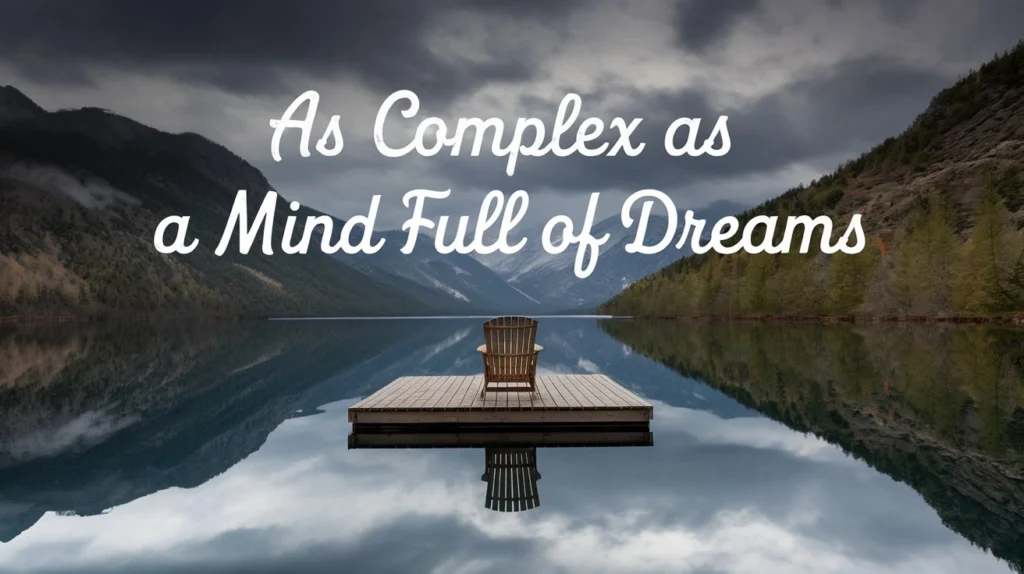
15. As Complex as a Mind Full of Dreams
Meaning:
Deep, layered, and imaginative complexity.
Usage Insight:
Best for emotional or creative writing.
Examples:
- His imagination was as complex as a mind full of dreams.
- Her ideas felt endless and full of possibility.
How to Use Similes Effectively in Writing
Using similes effectively can make even the most complex ideas easy to understand:
- Choose clear comparisons: Make sure the reader can easily visualize your simile.
- Use nature for depth: Trees, rivers, and skies offer rich imagery.
- Keep it relevant: Match the simile to the context of your writing.
- Avoid overuse: Too many similes can confuse rather than clarify.
- Be original: Fresh comparisons make your writing stand out.
- Apply across formats: Use similes in poems, essays, stories, and songs.
FAQs
1. What are the best similes for complex ideas?
They are comparisons that simplify difficult concepts, like “as complex as a maze” or “like a web of threads.”
2. What is the difference between a simile and a metaphor?
A simile uses “like” or “as,” while a metaphor directly compares without them.
3. Why use similes to explain complexity?
They make abstract or difficult ideas easier to understand and more engaging.
4. Can similes be used in academic writing?
Yes, but they should clarify ideas rather than add unnecessary detail.
5. How can I create my own similes for complex topics?
Think of something detailed or layered and compare it using “like” or “as.”
Conclusion
The best similes for complex ideas turn confusion into clarity by transforming abstract thoughts into vivid, relatable images. Whether inspired by nature, art, or everyday life, these comparisons help readers understand layered concepts with ease. Like trees with deep roots and wide branches, complexity becomes meaningful when seen from the right perspective. By using similes thoughtfully, you can add clarity, creativity, and emotional depth to your writing, making even the most complicated ideas feel simple and engaging.