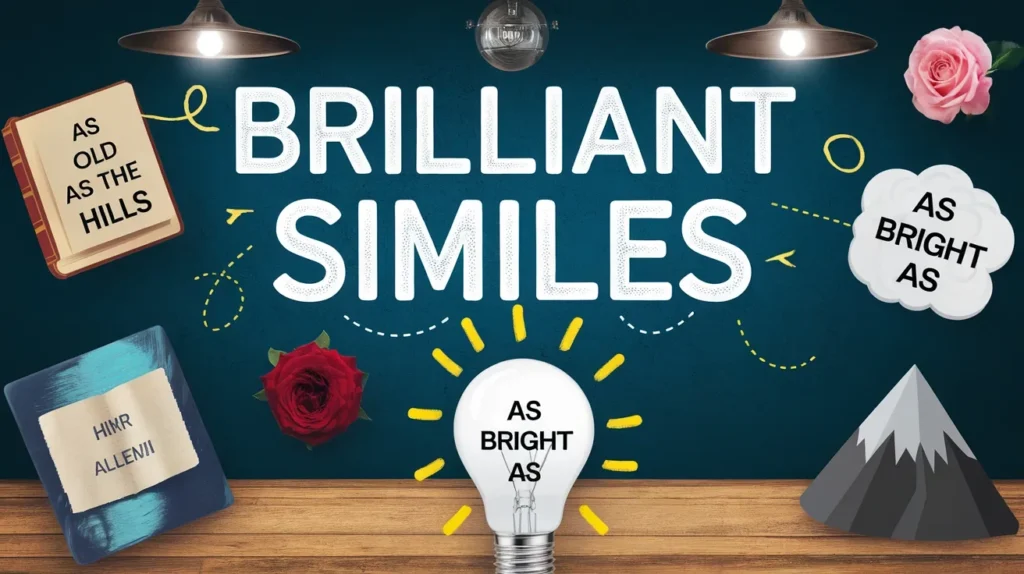
Similes are one of the most effective tools in writing because they help turn simple ideas into vivid images. They compare two different things using words like “as” or “like,” making language easier to understand and more engaging. In figurative language, similes play an important role because they bring emotion, clarity, and creativity into every sentence. Writers use similes to help readers see, feel, and imagine what is being described.
Just like trees grow strong roots and reach toward the sky, similes connect ideas and allow them to grow deeper meaning. Trees are powerful symbols of strength, growth, resilience, wisdom, and human emotion, which makes them perfect inspiration for comparisons. When writing with staccato sentences—short, sharp, and impactful lines—similes can add depth without losing clarity. This combination creates writing that feels both powerful and easy to read.
What Is a Simile?
A simile is a figure of speech that compares two different things using “like” or “as” to highlight a shared quality.
Example: Her voice was like wind through leaves, soft yet full of hidden movement.
1. As sharp as a snapping twig
Meaning:
Quick, sudden, and intense.
Usage Insight:
Works well in staccato sentences to show urgency or tension.
Examples:
- His reply was as sharp as a snapping twig. Short. Final.
- The sound cut through the silence, as sharp as a twig breaking.
2. Like leaves trembling in a storm
Meaning:
Nervous or unstable.
Usage Insight:
Ideal for emotional or tense scenes.
Examples:
- Her hands shook like leaves trembling in a storm.
- He stood still, but inside he was like leaves in heavy wind.
3. As steady as a rooted tree
Meaning:
Calm and dependable.
Usage Insight:
Balances fast, staccato rhythm with grounded imagery.
Examples:
- She stayed as steady as a rooted tree. No panic. No fear.
- His voice remained steady, like a tree deep in the earth.
4. Like rain tapping on dry soil
Meaning:
Light, repetitive, and rhythmic.
Usage Insight:
Perfect for describing staccato pacing.
Examples:
- His words came like rain tapping on dry soil. Quick. Soft. Constant.
- The beat felt like rain, tapping in short bursts.
5. As deep as forest shadows
Meaning:
Mysterious and thoughtful.
Usage Insight:
Adds depth to short, punchy lines.
Examples:
- Her thoughts were as deep as forest shadows. Quiet. Hidden.
- He paused. Thinking. As deep as shaded woods.
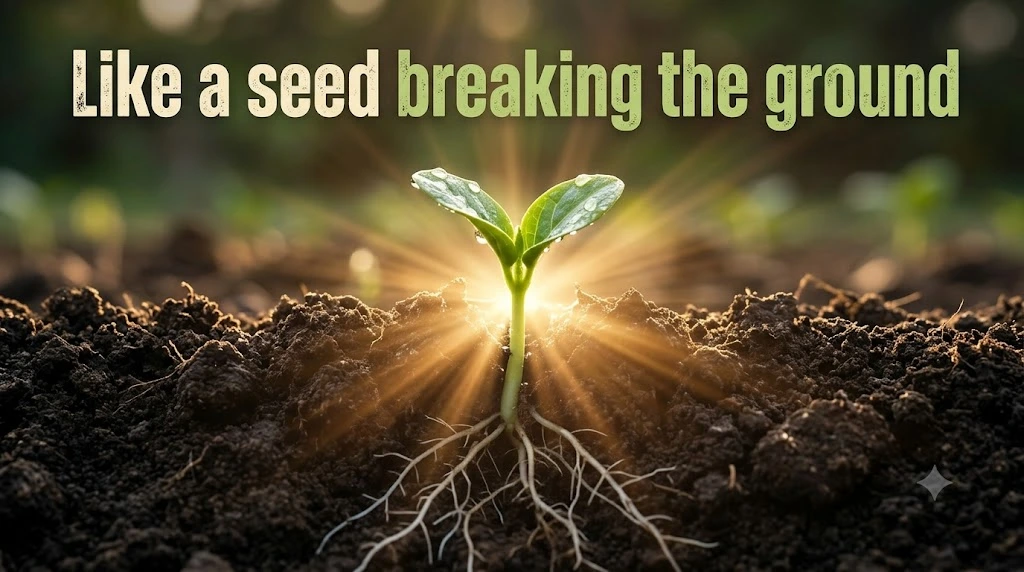
6. Like a seed breaking the ground
Meaning:
A sudden beginning or breakthrough.
Usage Insight:
Great for moments of change.
Examples:
- The idea came like a seed breaking the ground.
- Change started small, like something pushing through soil.
7. As light as falling petals
Meaning:
Gentle and delicate.
Usage Insight:
Softens the tone of short sentences.
Examples:
- Her steps were as light as falling petals. Soft. Silent.
- He spoke lightly, like petals drifting in air.
8. Like branches cracking in winter
Meaning:
Harsh and sudden.
Usage Insight:
Perfect for dramatic or intense writing.
Examples:
- The silence broke like branches cracking in winter.
- His anger rose, sharp like breaking wood.
9. As quiet as moss growing
Meaning:
Extremely silent and slow.
Usage Insight:
Works well in calm, reflective passages.
Examples:
- Time passed as quiet as moss growing.
- She waited. Still. Quiet as soft green moss.
10. Like sunlight flickering through leaves
Meaning:
Changing, quick, and lively.
Usage Insight:
Ideal for movement and shifting moods.
Examples:
- His thoughts moved like sunlight flickering through leaves.
- The moment felt bright, quick, always shifting.
11. As strong as tree roots in stone
Meaning:
Unbreakable and determined.
Usage Insight:
Adds power to concise writing.
Examples:
- Her will was as strong as roots in stone. Firm. Unmoving.
- He stood strong, like roots gripping rock.
12. Like wind rushing through branches
Meaning:
Fast and unstoppable.
Usage Insight:
Great for action scenes.
Examples:
- The crowd moved like wind rushing through branches.
- His thoughts raced, fast like air through trees.
13. As bright as morning in a forest
Meaning:
Full of hope and energy.
Usage Insight:
Use in uplifting moments.
Examples:
- Her smile was as bright as morning in a forest.
- The day began bright, like sunlight in trees.
14. Like leaves scattered across the ground
Meaning:
Disorganized or spread out.
Usage Insight:
Useful for confusion or chaos.
Examples:
- His ideas lay like leaves scattered across the ground.
- Papers fell, scattered like dry leaves.
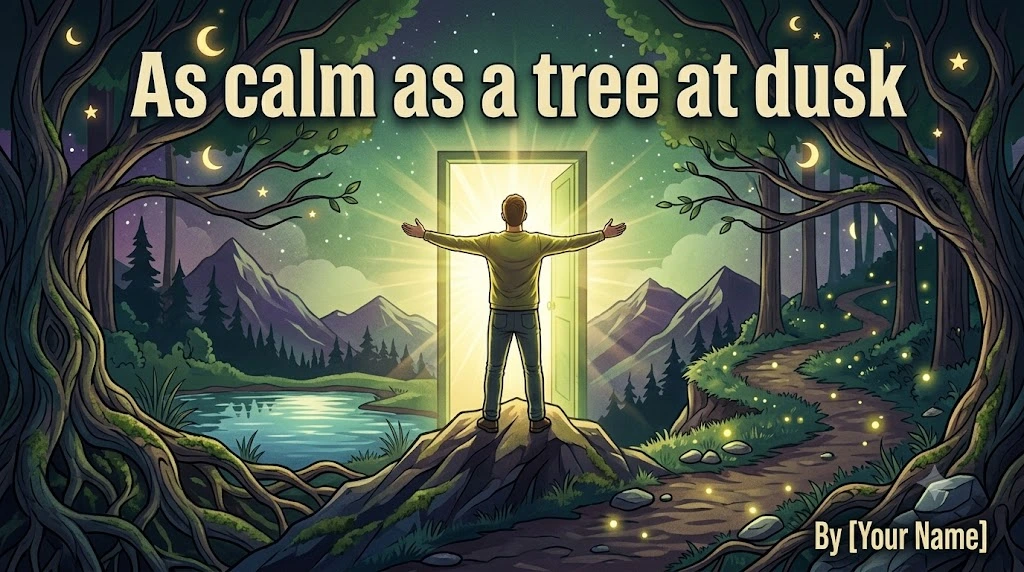
15. As calm as a tree at dusk
Meaning:
Peaceful and still.
Usage Insight:
Perfect for endings or quiet moments.
Examples:
- She felt as calm as a tree at dusk.
- The world slowed. Calm as evening trees.
How to Use Similes Effectively in Writing
To use similes effectively, keep them simple and meaningful. Choose comparisons that your readers can easily picture. Songs benefit from similes because they create strong, emotional images in just a few words. Avoid overusing them, and focus on quality over quantity. The best similes feel natural and enhance the message without distracting the reader.
FAQs
1. What are staccato sentences?
Staccato sentences are short, sharp, and direct sentences used to create rhythm and impact in writing.
2. How do similes work with staccato sentences?
Similes add imagery and depth while keeping the writing concise and powerful.
3. What is the difference between a simile and a metaphor?
A simile uses “like” or “as,” while a metaphor makes a direct comparison without them.
4. Can similes be used in academic writing?
Yes, but they should be used carefully to explain ideas clearly without sounding informal.
5. Why are similes important in literature?
They make writing more vivid, emotional, and easier to understand.
Conclusion
Staccato sentences bring speed, clarity, and power to writing, while similes add color, depth, and emotion. Together, they create language that feels alive and memorable. Like trees that stand strong through changing seasons, well-crafted similes give your words strength and meaning. By combining sharp sentence structure with vivid comparisons, you can write with confidence, clarity, and lasting impact.