
Language becomes truly alive when we use vivid comparisons to express thoughts and emotions. One of the most beautiful tools in figurative language is the simile, which helps us paint pictures with words. A simile compares two unlike things using words like “as” or “like,” making ideas easier to understand and more engaging. Writers, poets, and storytellers use similes to bring clarity, emotion, and imagination into their work.
Just like trees stand tall through storms and seasons, similes help language grow stronger, deeper, and more expressive. Trees symbolize resilience, wisdom, and steady growth—qualities that also define powerful writing. When we explore the difference between “wonder” and “wander,” similes help us clearly express both curiosity and movement. In this article, you’ll discover how to use similes creatively while mastering the meaning of “wonder vs wander” in a natural and memorable way.
What Is a Simile?
A simile is a figure of speech that compares two different things using “like” or “as” to create a vivid image.
Example: Her smile was as bright as the morning sun.
This comparison helps readers clearly imagine the brightness and warmth of her smile.
Wonder vs Wander: Understanding the Difference
- Wonder means to feel curiosity, amazement, or deep thinking.
- Wander means to move without a fixed direction, often physically or mentally.
Similes can beautifully express both ideas, making your writing more descriptive and engaging.
1. Wonder like a child seeing the stars for the first time
Meaning:
Pure curiosity and amazement.
Usage Insight:
Works well in emotional or reflective writing.
Examples:
- She stared at the sky, full of wonder like a child seeing the stars for the first time.
- His eyes widened with wonder like a child discovering magic.
2. Wander like a leaf drifting in the wind
Meaning:
Moving aimlessly without direction.
Usage Insight:
Ideal for describing physical or emotional drifting.
Examples:
- He wandered through life like a leaf drifting in the wind.
- Her thoughts wandered like dry leaves on a breezy afternoon.
3. Wonder like sunlight filtering through trees
Meaning:
Gentle and natural curiosity.
Usage Insight:
Great for calm, poetic descriptions.
Examples:
- Her curiosity spread like sunlight filtering through trees.
- He felt wonder rise quietly like morning light in a forest.
4. Wander like a traveler without a map
Meaning:
Being lost or uncertain.
Usage Insight:
Perfect for storytelling or life metaphors.
Examples:
- Without guidance, he wandered like a traveler without a map.
- She drifted through choices like someone lost on an endless road.
5. Wonder like a river discovering the sea
Meaning:
A sense of discovery and excitement.
Usage Insight:
Best for growth and transformation themes.
Examples:
- His mind expanded with wonder like a river discovering the sea.
- She embraced new ideas with wonder like flowing water meeting the ocean.
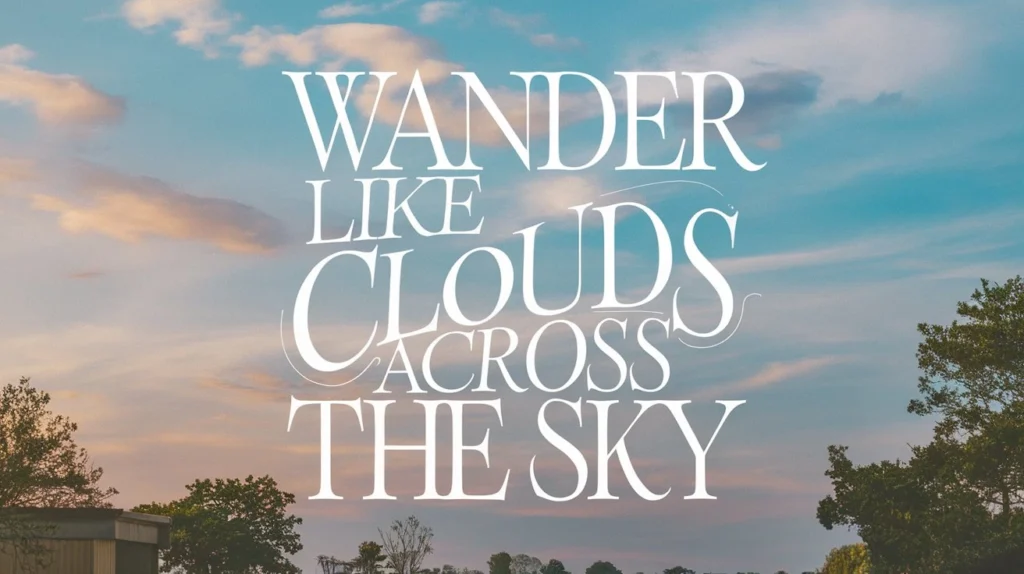
6. Wander like clouds across the sky
Meaning:
Slow, directionless movement.
Usage Insight:
Useful in descriptive and reflective writing.
Examples:
- His thoughts wandered like clouds across the sky.
- She walked through the city like drifting clouds.
7. Wonder like a seed breaking into life
Meaning:
Growth and awakening curiosity.
Usage Insight:
Great for inspirational content.
Examples:
- Her ideas grew with wonder like a seed breaking into life.
- He felt a new sense of wonder rising within him.
8. Wander like footsteps in an endless desert
Meaning:
Loneliness and lack of direction.
Usage Insight:
Effective in emotional or dramatic writing.
Examples:
- He wandered like footsteps in an endless desert.
- Her journey felt empty, like walking without a destination.
9. Wonder like the first rain after drought
Meaning:
Refreshing amazement.
Usage Insight:
Ideal for emotional relief or joy.
Examples:
- The news filled her with wonder like the first rain after drought.
- His heart opened with wonder and relief.
10. Wander like a boat without a compass
Meaning:
Being directionless or lost.
Usage Insight:
Useful in metaphorical storytelling.
Examples:
- He wandered through life like a boat without a compass.
- Her plans drifted without purpose.
11. Wonder like a bird taking its first flight
Meaning:
Exciting discovery and courage.
Usage Insight:
Great for motivational writing.
Examples:
- She felt wonder like a bird taking its first flight.
- His dreams lifted him into new possibilities.
12. Wander like echoes in a canyon
Meaning:
Repeating thoughts without clarity.
Usage Insight:
Best for internal reflection.
Examples:
- His thoughts wandered like echoes in a canyon.
- She struggled to focus as ideas bounced endlessly.
13. Wonder like fireflies in the night
Meaning:
Small but magical curiosity.
Usage Insight:
Perfect for poetic imagery.
Examples:
- Her thoughts sparkled with wonder like fireflies in the night.
- The moment glowed with quiet magic.
14. Wander like a shadow at dusk
Meaning:
Fading direction or uncertainty.
Usage Insight:
Ideal for moody or reflective tones.
Examples:
- He wandered like a shadow at dusk.
- Her path grew unclear as time passed.
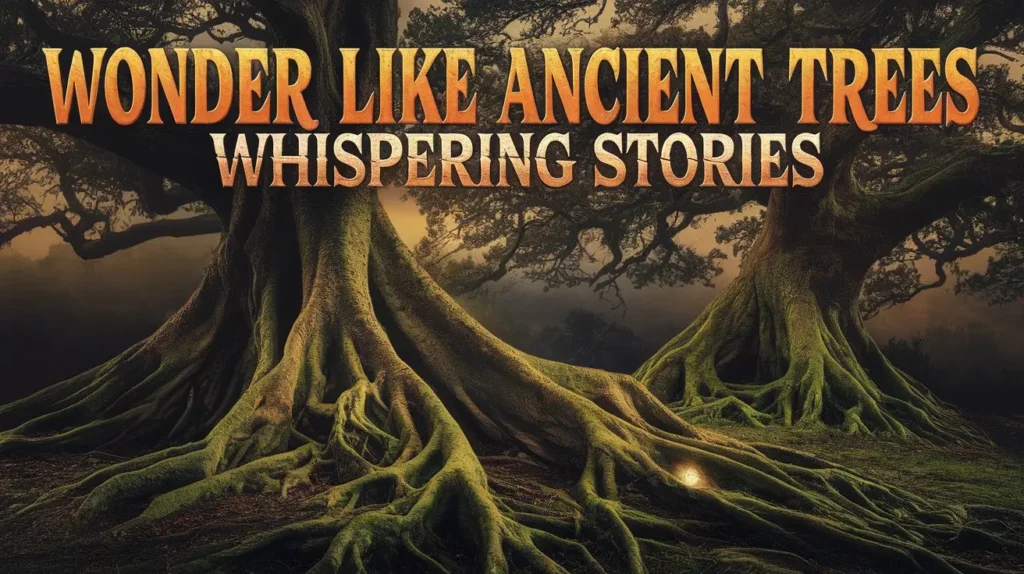
15. Wonder like ancient trees whispering stories
Meaning:
Deep wisdom and curiosity.
Usage Insight:
Excellent for philosophical writing.
Examples:
- He felt wonder like ancient trees whispering stories.
- Her thoughts carried the depth of old forests.
How to Use Similes Effectively in Writing
Using similes well can transform simple sentences into powerful expressions:
- Be specific: Choose comparisons that are vivid and meaningful.
- Keep it natural: Avoid forced or overly complex similes.
- Match the tone: Use gentle similes for calm writing and bold ones for dramatic impact.
- Use sparingly: Too many similes can overwhelm the reader.
- Connect with emotions: The best similes make readers feel something.
Similes are especially effective in poems, stories, essays, songs, and descriptive writing where imagery matters most.
FAQs
1. What is the difference between wonder and wander?
“Wonder” relates to curiosity or amazement, while “wander” means moving without direction.
2. What is a simile in simple terms?
A simile compares two different things using “like” or “as” to create a clearer image.
3. How are similes different from metaphors?
Similes use “like” or “as,” while metaphors make direct comparisons without them.
4. Can similes be used in academic writing?
Yes, but they should be used carefully to maintain clarity and professionalism.
5. Why are similes important in writing?
They improve clarity, add imagery, and make writing more engaging and memorable.
Conclusion
Understanding wonder vs wander becomes much easier when you use vivid similes to express each idea clearly. Similes act like strong roots of a tree, grounding your language while allowing your creativity to grow and expand. They bring life to your words, helping readers see, feel, and connect with your message. Whether you are writing stories, poems, or essays, similes add depth, clarity, and emotional richness. By mastering these comparisons, you can turn simple writing into something powerful and unforgettable. Let your words wander freely—but always guide them with wonder.