
Similes are one of the most effective tools in writing because they help us explain ideas in a simple and vivid way. They compare two different things using words like “like” or “as,” making descriptions clearer and more interesting. When you use similes, your writing becomes more expressive and easier to understand. They are an important part of figurative language because they add emotion, detail, and imagery.
Writers use similes in stories, poems, and everyday communication to create strong mental pictures. Just like trees that grow tall and stand firm, similes bring strength and beauty to language. Trees are powerful symbols of growth, resilience, wisdom, and human emotion, which makes them perfect for meaningful comparisons. By mastering similes, you can make your writing more engaging, natural, and memorable.
What Is a Simile?
A simile is a figure of speech that compares two different things using the words “like” or “as.”
Example:
Her strength was as steady as a tree rooted deep in the ground.
This comparison helps the reader clearly imagine stability and resilience.
Understanding By Which or In Which
- By which is used to explain how something happens or the method used.
Example: The process by which trees grow is fascinating. - In which is used to describe where or within what situation something happens.
Example: The forest in which the trees stand is peaceful.
Understanding this difference improves clarity and accuracy in writing.
1. As clear as the method by which roots find water
Meaning: Very easy to understand.
Usage Insight: Great for explaining clarity or logic.
Examples:
- The instructions were as clear as the method by which roots find water.
- Her explanation made everything simple to follow.
2. Like a forest in which ideas grow freely
Meaning: A space full of creativity.
Usage Insight: Perfect for imaginative or creative writing.
Examples:
- His mind worked like a forest in which ideas grow freely.
- The classroom felt open and inspiring.
3. As natural as the way by which trees reach sunlight
Meaning: Effortless and instinctive.
Usage Insight: Ideal for describing natural actions.
Examples:
- Her kindness came as natural as the way by which trees reach sunlight.
- He responded without hesitation.
4. Like a world in which everything connects
Meaning: Deeply interconnected.
Usage Insight: Useful for describing relationships or systems.
Examples:
- Their friendship felt like a world in which everything connects.
- Every detail seemed linked together.
5. As precise as the method by which leaves follow light
Meaning: Extremely accurate.
Usage Insight: Great for technical or academic writing.
Examples:
- His work was as precise as the method by which leaves follow light.
- Every calculation was correct.
6. Like a place in which silence speaks loudly
Meaning: Quiet but meaningful.
Usage Insight: Perfect for emotional or reflective writing.
Examples:
- The room felt like a place in which silence speaks loudly.
- Their pause said more than words.
7. As steady as the system by which trees grow rings
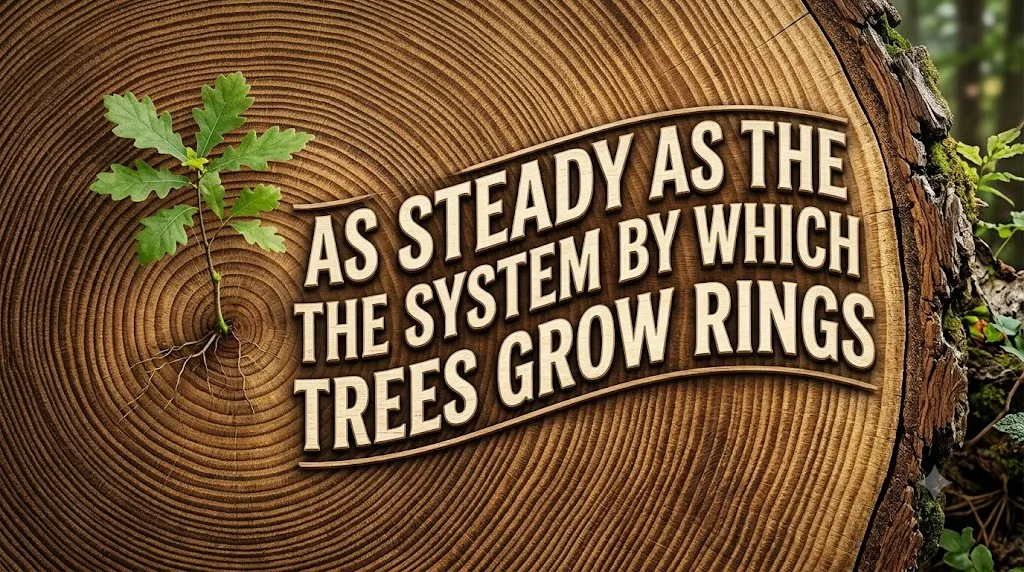
Meaning: Consistent and reliable.
Usage Insight: Ideal for describing stability.
Examples:
- Her progress was as steady as the system by which trees grow rings.
- He improved little by little each day.
8. Like a moment in which everything changes
Meaning: A turning point.
Usage Insight: Great for storytelling.
Examples:
- It felt like a moment in which everything changes.
- That decision shaped his future.
9. As complex as the process by which forests thrive
Meaning: Detailed and complicated.
Usage Insight: Useful for deep explanations.
Examples:
- The project was as complex as the process by which forests thrive.
- Many factors influenced the outcome.
10. Like a story in which every detail matters
Meaning: Everything is important.
Usage Insight: Perfect for emphasizing importance.
Examples:
- Life felt like a story in which every detail matters.
- She paid attention to everything.
11. As calm as a place in which trees whisper
Meaning: Peaceful and relaxing.
Usage Insight: Ideal for nature descriptions.
Examples:
- The park was as calm as a place in which trees whisper.
- He found peace there.
12. Like a method by which problems are solved
Meaning: Logical and structured.
Usage Insight: Great for problem-solving contexts.
Examples:
- His thinking worked like a method by which problems are solved.
- She approached challenges step by step.
13. As inspiring as a world in which growth never stops
Meaning: Motivating and uplifting.
Usage Insight: Perfect for positive themes.
Examples:
- The idea felt as inspiring as a world in which growth never stops.
- It gave her hope.
14. Like a space in which dreams take root
Meaning: A place where ideas begin.
Usage Insight: Ideal for creative or motivational writing.
Examples:
- The studio felt like a space in which dreams take root.
- His imagination flourished there.
15. As meaningful as the way in which trees endure storms
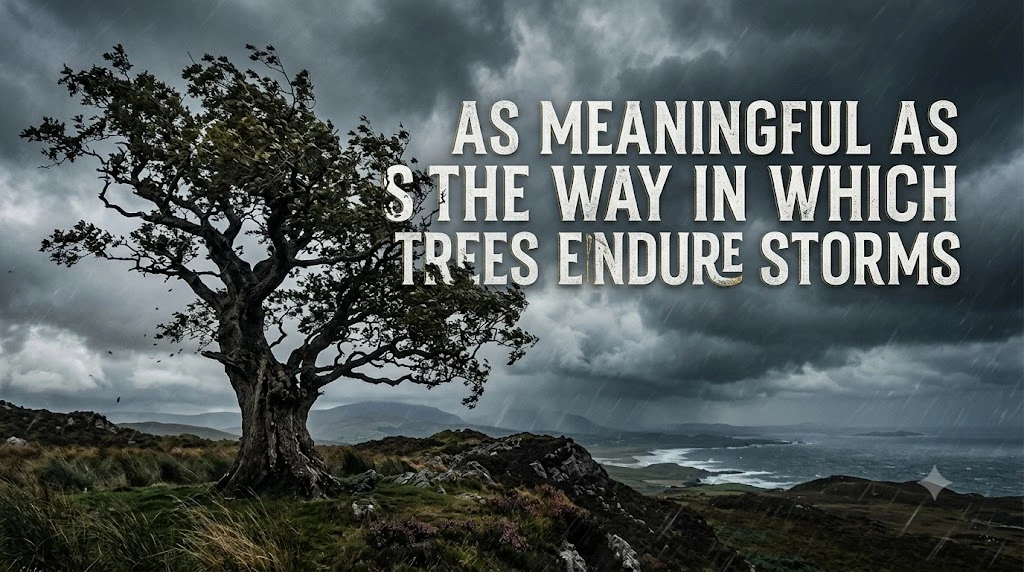
Meaning: Deep and powerful significance.
Usage Insight: Great for emotional writing.
Examples:
- Her journey was as meaningful as the way in which trees endure storms.
- His story carried deep lessons.
How to Use Similes Effectively in Writing
To use similes effectively, keep them simple and clear. Avoid overusing similes, as too many can make writing confusing. Always choose comparisons that feel natural and meaningful. When used correctly, similes make your writing more vivid, engaging, and powerful.
FAQs
1. What is the difference between “by which” and “in which”?
“By which” explains how something happens, while “in which” describes where or within what situation it happens.
2. What is a simile in simple terms?
A simile compares two things using “like” or “as.”
3. How are similes different from metaphors?
Similes use “like” or “as,” while metaphors make direct comparisons.
4. Can similes be used in academic writing?
Yes, but they should be used carefully to maintain clarity and formality.
5. Why are similes important in writing?
They make writing clearer, more vivid, and more engaging.
Conclusion
Understanding by which or in which helps you write with clarity and precision. These phrases may seem small, but they play a big role in explaining ideas correctly. When combined with powerful similes, they create writing that is both accurate and expressive. Like strong trees rooted in the earth, similes give your language stability, growth, and emotional depth. They help readers see, feel, and understand your ideas more clearly. By mastering both grammar and figurative language, you can turn simple writing into something truly meaningful and impactful.