Time is one of the most mysterious and meaningful concepts we try to express in words. In writing, we often use similes to make time feel more vivid, emotional, and relatable. A simile is a type of figurative language that compares two different things using words like “as” or “like,” helping readers picture ideas more clearly. These comparisons are important because they turn abstract thoughts into something we can see, feel, or imagine.
Writers across poetry, stories, and even everyday speech rely on similes to add depth and beauty to language. Nature, especially trees, plays a powerful role in similes because trees represent strength, growth, resilience, wisdom, and deep human emotion. Like time, trees grow slowly, endure change, and carry stories within them. When we connect time to natural elements like trees, rivers, or seasons, our writing becomes richer and more meaningful. That’s why learning the best similes for time can transform your writing into something truly memorable.
What Is a Simile?
A simile is a figure of speech that compares two unlike things using “like” or “as” to highlight a shared quality.
Example: Time slipped away like sand through my fingers.
This simile shows how quickly and uncontrollably time passes, making the idea easy to visualize.
As Fleeting as Falling Leaves
Meaning:
Time passes quickly and cannot be held onto.
Usage Insight:
Works well in emotional or reflective writing about loss or change.
Examples:
- The moments we shared felt as fleeting as falling leaves in autumn.
- Her childhood vanished as fleeting as falling leaves in the wind.
Like a River That Never Stops Flowing
Meaning:
Time moves continuously without pause.
Usage Insight:
Ideal for philosophical or descriptive passages about life’s journey.
Examples:
- Time flows like a river that never stops, carrying us forward.
- His thoughts drifted like a river that never stops flowing.
As Slow as a Growing Tree
Meaning:
Time can feel very slow, especially during waiting periods.
Usage Insight:
Great for describing patience, growth, or long processes.
Examples:
- The days felt as slow as a growing tree during winter.
- Her recovery was as slow as a growing tree, steady but sure.
Like Shadows at Sunset
Meaning:
Time fades gently and quietly.
Usage Insight:
Perfect for poetic or calm endings.
Examples:
- The evening passed like shadows at sunset.
- Their conversation faded like shadows at sunset.
As Swift as a Shooting Star
Meaning:
Time moves very fast and suddenly.
Usage Insight:
Use in exciting or intense moments.
Examples:
- The night disappeared as swift as a shooting star.
- Opportunities can vanish as swift as a shooting star.
Like Pages Turning in a Book
Meaning:
Time progresses step by step.
Usage Insight:
Great for storytelling and narrative flow.
Examples:
- The years passed like pages turning in a book.
- Her life unfolded like pages turning in a novel.
As Endless as the Ocean
Meaning:
Time feels infinite or never-ending.
Usage Insight:
Works in deep or philosophical writing.
Examples:
- The wait felt as endless as the ocean.
- His dreams stretched as endless as the ocean.
Like a Candle Slowly Burning
Meaning:
Time passes gradually and steadily.
Usage Insight:
deal for emotional or reflective scenes.
Examples:
- The night faded like a candle slowly burning.
- Her hope dimmed like a candle slowly burning.
As Unpredictable as the Wind
Meaning:
Time brings unexpected changes.
Usage Insight:
Use in dynamic or uncertain situations.
Examples:
- Life moves as unpredictable as the wind.
- Time changed their plans as unpredictable as the wind.
Like Morning Dew Disappearing
Meaning:
Time vanishes quickly and quietly.
Usage Insight:
Perfect for delicate or peaceful imagery.
Examples:
- The moment disappeared like morning dew.
- Happiness faded like morning dew under the sun.
As Steady as the Ticking Clock
Meaning:
Time moves consistently and reliably.
Usage Insight:
Useful in formal or structured writing.
Examples:
- The seconds passed as steady as a ticking clock.
- His routine was as steady as the ticking clock.
Like Footprints in the Sand
Meaning:
Time leaves marks that eventually fade.
Usage Insight:
Works well in nostalgic or reflective writing.
Examples:
- Memories faded like footprints in the sand.
- Their love left traces like footprints in the sand.
As Heavy as an Ancient Oak
Meaning:
Time can feel deep, meaningful, and weighty.
Usage Insight:
Use in serious or thoughtful contexts.
Examples:
- The years felt as heavy as an ancient oak.
- His wisdom stood as heavy as an ancient oak.
Like a Clock with No Hands
Meaning:
Time feels confusing or meaningless.
Usage Insight:
Best for abstract or creative writing.
Examples:
- Without her, time felt like a clock with no hands.
- The silence stretched like a clock with no hands.
As Bright as a New Dawn
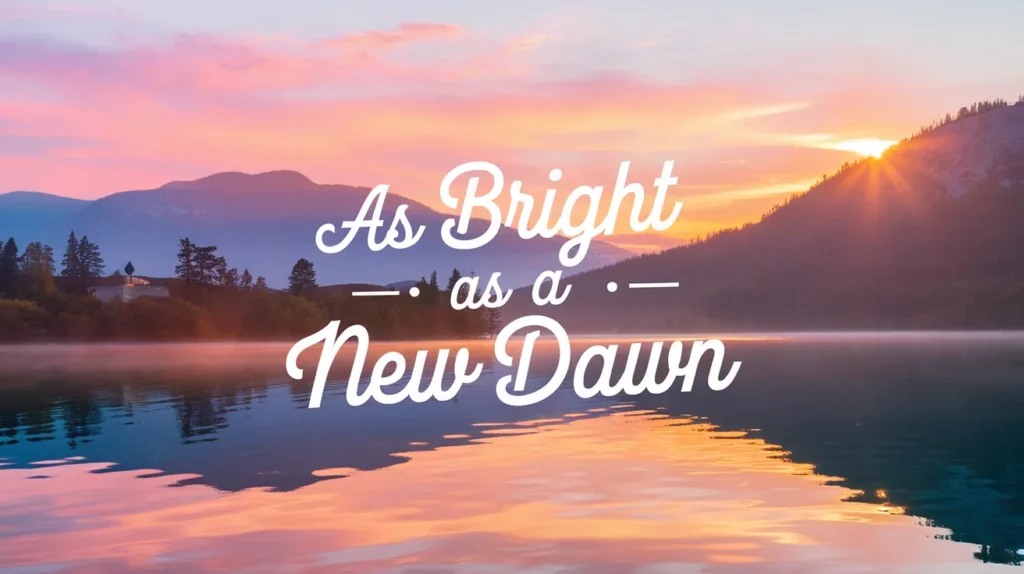
Meaning:
Time brings fresh beginnings and hope.
Usage Insight:
Perfect for positive or inspiring writing.
Examples:
- The future looked as bright as a new dawn.
- Each day begins as bright as a new dawn.
How to Use Similes Effectively in Writing
Using similes well can make your writing more engaging and memorable. Here are some practical tips:
- Keep it natural: Choose comparisons that feel real and easy to understand.
- Match the tone: Use soft similes for emotional scenes and bold ones for dramatic moments.
- Avoid overuse: Too many similes can overwhelm the reader—use them wisely.
- Be original: Try creating fresh comparisons instead of repeating common ones.
- Use in different formats:
Poems: Add rhythm and imagery
Stories: Deepen character emotions
Essays: Clarify complex ideas
Songs: Make lyrics memorable
FAQs
What are the best similes for time?
The best similes for time compare it to natural or familiar elements like rivers, wind, or trees to show movement, change, or emotion.
What is the difference between a simile and a metaphor?
A simile uses “like” or “as” to compare, while a metaphor directly states that one thing is another.
Why are similes important in writing?
They make ideas clearer, add imagery, and help readers connect emotionally with the text.
Can similes be used in academic writing?
Yes, but they should be used carefully to clarify ideas rather than sound overly poetic.
How do I create my own similes for time?
Think about how time feels—fast, slow, endless—and compare it to something in nature or daily life with similar qualities.
Conclusion
The best similes for time help transform an invisible concept into something vivid, emotional, and easy to understand. By using creative comparisons drawn from nature, life, and human experience, writers can bring clarity and beauty to their words. Whether you are writing poetry, stories, essays, or songs, similes add depth and imagery that capture the reader’s imagination. Like the steady growth of a tree, your skill with similes will improve over time with practice. Keep experimenting, stay original, and let your comparisons breathe life into your writing.