Anger is one of the strongest human emotions, and finding the right words to express it can be challenging. This is where powerful angry similes become incredibly useful. A simile is a simple but effective figurative language tool that compares two different things using “like” or “as.” It helps writers paint vivid pictures in the reader’s mind, making emotions feel real and relatable. In literature and everyday writing, similes add color, depth, and clarity.
They transform plain sentences into expressive, memorable lines. Nature, especially trees, often inspires similes because they symbolize strength, growth, resilience, wisdom, and deep emotion. Just like trees bend in storms yet remain rooted, human emotions—like anger—can be powerful yet meaningful. In this article, you’ll discover creative and impactful angry similes that bring intensity and life to your writing.
What Is a Simile?
A simile is a figure of speech that compares two different things using the words like or as.
Example: He was as angry as a storm crashing against the shore.
This comparison helps the reader clearly imagine the intensity of the anger.
1. As Angry as a Storm Breaking Through the Sky
Meaning:
Intense, uncontrollable anger.
Usage Insight:
Perfect for describing sudden emotional outbursts.
Examples:
- She was as angry as a storm breaking through the sky when she heard the news.
- His voice rose, as angry as a storm tearing across the horizon.
2. As Furious as a Volcano Ready to Erupt
Meaning:
Anger building up, about to explode.
Usage Insight:
Ideal for tension-filled scenes.
Examples:
- He stood there, as furious as a volcano ready to erupt.
- Her silence was dangerous, like a volcano waiting to explode.
3. As Angry as Fire Consuming a Forest
Meaning:
Destructive and spreading anger.
Usage Insight:
Works well in dramatic storytelling.
Examples:
- His anger spread like fire consuming a forest.
- She burned with rage, as angry as flames swallowing trees.
4. As Mad as Thunder Crashing in the Night
Meaning:
Loud and powerful anger.
Usage Insight:
Great for emotional dialogue scenes.
Examples:
- He shouted, as mad as thunder crashing in the night.
- Her words hit like thunder, sharp and furious.
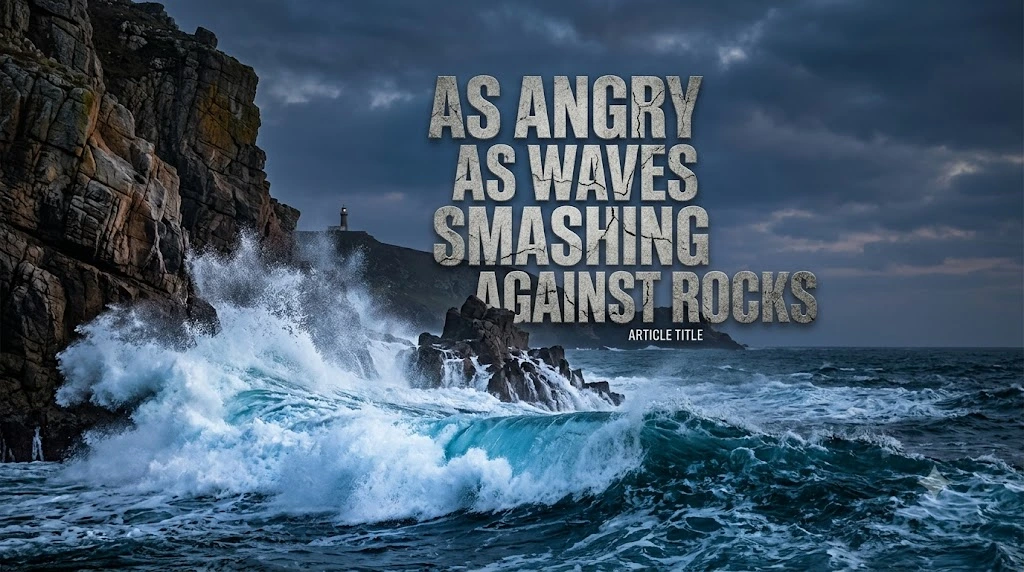
5. As Angry as Waves Smashing Against Rocks
Meaning:
Repeated bursts of anger.
Usage Insight:
Useful for ongoing frustration.
Examples:
- His anger came in waves, as angry as waves smashing rocks.
- She argued again and again, like waves crashing endlessly.
6. As Furious as a Wild Lion Defending Its Territory
Meaning:
Protective and aggressive anger.
Usage Insight:
Strong for character-driven writing.
Examples:
- He was as furious as a lion defending its territory.
- She stood her ground, fierce and untouchable.
7. As Angry as a Tornado Spinning Out of Control
Meaning:
Chaotic and destructive anger.
Usage Insight:
Best for intense emotional scenes.
Examples:
- He stormed through the room like a tornado out of control.
- Her rage spun wildly, impossible to calm.
8. As Mad as Boiling Water in a Sealed Pot
Meaning:
Suppressed anger about to burst.
Usage Insight:
Perfect for internal conflict.
Examples:
- He felt like boiling water in a sealed pot.
- Her calm face hid anger ready to spill over.
9. As Angry as a Bull Charging at Red
Meaning:
Aggressive and reactive anger.
Usage Insight:
Ideal for fast-paced action.
Examples:
- He rushed forward like a bull charging at red.
- Her reaction was instant and fierce.
10. As Furious as Lightning Striking the Ground
Meaning:
Sudden and intense anger.
Usage Insight:
Great for surprise reactions.
Examples:
- His anger hit like lightning striking the ground.
- She snapped suddenly, sharp and bright.
11. As Angry as a River Flooding Its Banks
Meaning:
Overflowing emotion.
Usage Insight:
Useful for emotional storytelling.
Examples:
- His anger flooded over him like a river breaking its banks.
- She couldn’t hold it back anymore.
12. As Mad as a Caged Animal Pacing Restlessly
Meaning:
Frustrated, trapped anger.
Usage Insight:
Best for psychological depth.
Examples:
- He paced like a caged animal, restless and mad.
- Her anger felt trapped with nowhere to go.
13. As Furious as a Desert Wind Burning the Skin
Meaning:
Harsh and relentless anger.
Usage Insight:
Strong for descriptive writing.
Examples:
- His words were harsh, like a desert wind burning skin.
- She spoke with dry, cutting anger.
14. As Angry as Ice Cracking Under Pressure
Meaning:
Controlled but breaking anger.
Usage Insight:
Ideal for subtle tension.
Examples:
- He seemed calm, but like ice cracking under pressure.
- Her patience was thin and breaking fast.
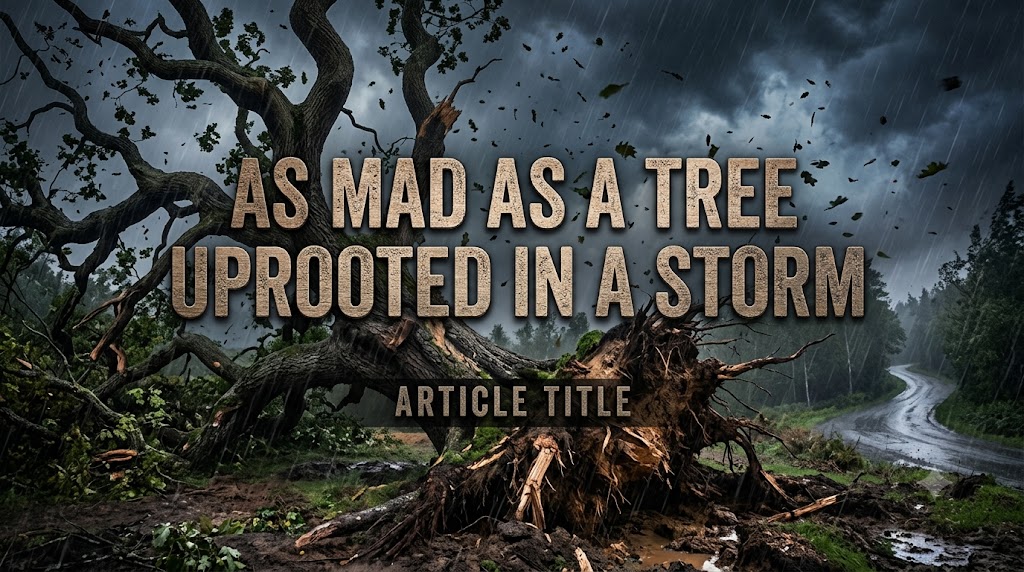
15. As Mad as a Tree Uprooted in a Storm
Meaning:
Deep, emotional anger tied to loss.
Usage Insight: Powerful for symbolic writing.
Examples:
- He felt uprooted, as mad as a tree torn from the earth.
- Her anger came from deep pain and loss.
How to Use Similes Effectively in Writing
Using similes well can greatly improve your writing. Here are some practical tips:
- Be natural: Choose comparisons that feel realistic and easy to understand.
- Match the tone: Use stronger similes for intense scenes and softer ones for subtle emotions.
- Avoid overuse: Too many similes can overwhelm the reader.
- Use nature inspiration: Elements like storms, trees, and fire create vivid imagery.
- Fit the context: Make sure the simile matches your character, setting, and mood.
- Experiment creatively: Try new and original comparisons to stand out.
Similes work beautifully in poems, stories, essays, and even songs because they make emotions clearer and more engaging.
FAQs
1. What are powerful angry similes?
They are comparisons that vividly express strong anger using “like” or “as.”
2. How are similes different from metaphors?
Similes use “like” or “as,” while metaphors directly state a comparison without those words.
3. Why are similes important in writing?
They make descriptions more vivid, emotional, and easier to imagine.
4. Can similes be used in academic writing?
Yes, but they should be used carefully to maintain clarity and professionalism.
5. Are nature similes effective for anger?
Yes, natural elements like storms, fire, and trees create strong and relatable imagery.
Conclusion
Powerful angry similes bring emotion to life in a way plain language cannot. They turn simple sentences into vivid expressions filled with intensity and meaning. By comparing anger to storms, fire, animals, and even trees, writers can show emotion rather than just tell it. These similes not only improve creativity but also help readers connect deeply with the message. Whether you are writing poetry, stories, or essays, using strong similes will make your work more engaging and memorable. With practice and creativity, you can master the art of using similes to express even the most powerful emotions with clarity and impact.