
Music has the power to move hearts, tell stories, and express emotions that words alone often cannot capture. One of the most beautiful ways to describe music is through similes, a key part of figurative language that compares two different things using “like” or “as.” Similes help readers feel music rather than just understand it. They turn abstract sounds into vivid images, making descriptions more emotional and memorable. In literature, similes have always played an important role in painting sensory experiences.
Nature, especially trees, often inspires these comparisons because trees represent strength, growth, resilience, wisdom, and deep human emotion. Just like music, trees sway, whisper, and endure, reflecting life’s rhythms. When we connect music to natural elements, we create imagery that feels alive and relatable. In this article, you’ll discover beautiful similes for music that will elevate your writing and make your descriptions truly unforgettable.
What Is a Simile?
A simile is a figure of speech that compares two different things using the words like or as to create a vivid image.
Example: Her voice flowed like a gentle stream through the quiet valley.
This comparison helps the reader imagine the smooth and calming quality of the voice.
1. As Beautiful as Leaves Whispering in the Wind
Meaning:
Soft, calming, and natural music.
Usage Insight:
Perfect for peaceful or relaxing melodies.
Examples:
- The melody was as beautiful as leaves whispering in the wind.
- Her song drifted softly, like leaves rustling in a quiet forest.
2. Like a River Flowing Through a Silent Valley
Meaning:
Smooth, continuous, and soothing sound.
Usage Insight:
Ideal for instrumental or slow music.
Examples:
- The piano played like a river flowing through a silent valley.
- His tune carried on, steady and graceful like flowing water.
3. As Sweet as Birds Singing at Dawn
Meaning:
Light, joyful, and uplifting music.
Usage Insight:
Great for cheerful and hopeful tones.
Examples:
- Her voice was as sweet as birds singing at dawn.
- The song lifted spirits like morning birds greeting the sun.
4. Like Rain Tapping Gently on Leaves
Meaning:
Soft, rhythmic, and delicate sound.
Usage Insight:
Works well for gentle beats or acoustic music.
Examples:
- The rhythm fell like rain tapping gently on leaves.
- Each note landed softly, like raindrops in a forest.
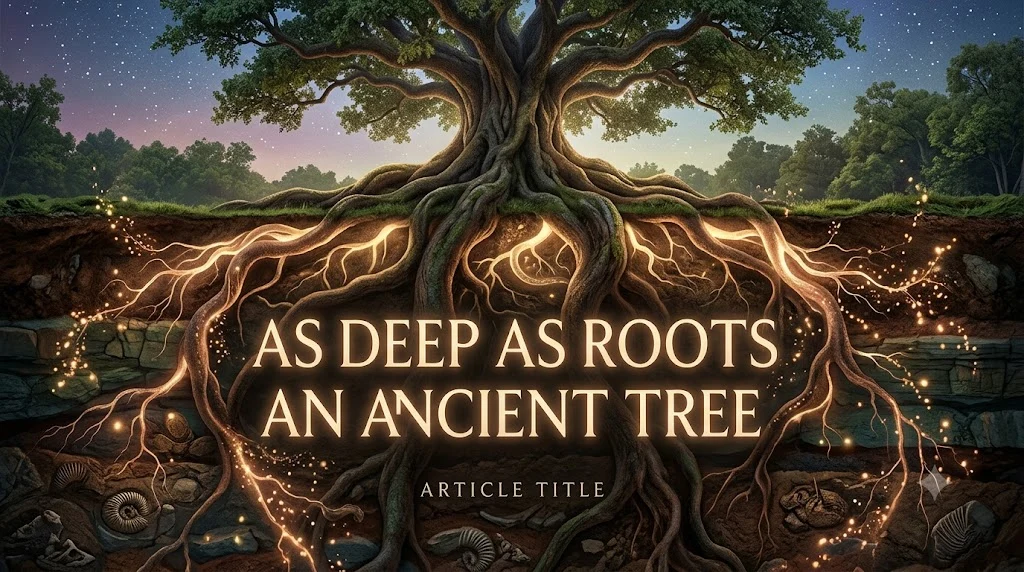
5. As Deep as Roots Beneath an Ancient Tree
Meaning:
Emotionally rich and meaningful music.
Usage Insight:
Best for soulful or profound compositions.
Examples:
- The music felt as deep as roots beneath an ancient tree.
- His voice carried depth, grounded and powerful.
6. Like Waves Rolling Across the Shore
Meaning:
Repetitive, calming, and flowing rhythm.
Usage Insight:
Ideal for relaxing or meditative music.
Examples:
- The beat moved like waves rolling across the shore.
- Her melody came in gentle, steady waves.
7. As Bright as Sunlight Filtering Through Branches
Meaning:
Warm, uplifting, and radiant sound.
Usage Insight:
Great for joyful and energetic music.
Examples:
- The tune was as bright as sunlight filtering through branches.
- His music sparkled with warmth and light.
8. Like a Breeze Dancing Through Tall Trees
Meaning:
Light, free, and airy music.
Usage Insight:
Perfect for soft, flowing compositions.
Examples:
- The melody felt like a breeze dancing through tall trees.
- Her notes floated freely, light and graceful.
9. As Gentle as Petals Falling from a Flower
Meaning:
Soft, delicate, and emotional music.
Usage Insight:
Ideal for romantic or emotional scenes.
Examples:
- Her voice was as gentle as petals falling from a flower.
- The song touched hearts with its quiet softness.
10. Like Stars Twinkling in a Silent Sky
Meaning:
Magical, subtle, and enchanting sound.
Usage Insight:
Best for dreamy or atmospheric music.
Examples:
- The notes shimmered like stars in a silent sky.
- His melody felt magical and distant.
11. As Powerful as Wind Bending Tall Trees
Meaning:
Strong, emotional, and impactful music.
Usage Insight:
Perfect for intense or dramatic compositions.
Examples:
- The music rose as powerful as wind bending tall trees.
- Her voice carried force and emotion.
12. Like Fire Crackling in a Quiet Night
Meaning:
Warm, lively, and slightly unpredictable sound.
Usage Insight:
Great for expressive or folk-style music.
Examples:
- The rhythm felt like fire crackling in a quiet night.
- His tune danced with warmth and life.
13. As Calm as a Lake Under a Clear Sky
Meaning:
Peaceful and steady music.
Usage Insight:
Ideal for calming or reflective pieces.
Examples:
- The melody was as calm as a lake under a clear sky.
- Her song brought a sense of stillness.
14. Like Echoes Through a Mountain Valley
Meaning:
Expansive, resonant, and lingering sound.
Usage Insight:
Best for powerful vocals or orchestral music.
Examples:
- His voice echoed like sound through a mountain valley.
- The music lingered long after it ended.
15. As Timeless as an Ancient Tree Standing Tall

Meaning:
Classic, enduring, and meaningful music.
Usage Insight:
Perfect for legendary or memorable songs.
Examples:
- The song felt as timeless as an ancient tree standing tall.
- Her voice carried a lasting beauty.
How to Use Similes Effectively in Writing
Using similes can transform your writing when done correctly. Here are practical tips to help you:
- Keep it simple and clear: Choose comparisons that readers can easily understand.
- Use nature for inspiration: Elements like trees, wind, and water create vivid imagery.
- Match emotion and tone: Ensure the simile fits the mood of your writing.
- Avoid overloading sentences: Too many similes can confuse readers.
- Be original: Fresh comparisons make your writing stand out.
- Use in different formats: Similes work beautifully in poems, stories, essays, and songs.
When used effectively, similes make writing more expressive, engaging, and memorable.
FAQs
1. What are beautiful similes for music?
They are creative comparisons that describe music using “like” or “as” to make it more vivid and emotional.
2. Why are similes important in music descriptions?
They help readers visualize sound and connect emotionally with it.
3. What is the difference between a simile and a metaphor?
A simile uses “like” or “as,” while a metaphor directly compares without those words.
4. Can similes be used in academic writing?
Yes, but they should be used carefully to maintain clarity and professionalism.
5. Are nature-based similes effective for music?
Yes, nature provides relatable and powerful imagery that enhances descriptions.
Conclusion
Beautiful similes for music allow writers to turn sound into imagery and emotion into experience. They bridge the gap between what we hear and what we feel, making descriptions richer and more engaging. By comparing music to elements of nature—like trees, wind, rivers, and light—you create a deeper connection with your audience. These similes not only improve creativity but also enhance clarity and emotional depth. Whether you are writing poetry, storytelling, or descriptive essays, using similes will elevate your work. With practice and imagination, you can use these powerful tools to bring music to life in ways that words alone cannot achieve.