Language becomes more vivid and meaningful when we use creative tools like similes. A simile is a simple comparison that uses words like “as” or “like” to connect ideas in a clear and imaginative way. It helps readers see and feel what the writer is trying to express. In figurative language, similes act like bridges, linking abstract ideas to real-world images.
Trees are often used in similes because they represent strength, growth, resilience, wisdom, and deep human emotions. Just like trees grow slowly yet steadily, our understanding of language also develops over time. When learning confusing word pairs like impatient vs inpatient, similes can make the difference easier to grasp and remember. They turn grammar into something visual, emotional, and engaging. In this guide, you’ll explore creative similes that bring clarity and confidence to your writing.
What Is a Simile?
A simile is a figure of speech that compares two different things using “like” or “as” to make meaning clearer and more vivid.
Example: He waited as patiently as a tree standing through the seasons.
This helps the reader imagine calm, steady patience.
1. As restless as leaves in a storm
Meaning:
Extremely impatient or unable to stay calm.
Usage Insight:
Ideal for describing impatience in people or situations.
Examples:
- He felt as restless as leaves in a storm while waiting for the results.
- She sat as uneasy as shaking branches before the announcement.
2. As calm as a tree in still air
Meaning:
Very patient and peaceful.
Usage Insight:
Perfect for describing calm, steady behavior.
Examples:
- The nurse remained as calm as a tree in still air during the rush.
- He waited as quietly as a tree at dawn.
3. Like roots waiting beneath the soil
Meaning:
Quiet patience and unseen growth.
Usage Insight:
Use for deep, silent patience.
Examples:
- Her patience was like roots waiting beneath the soil.
- He trusted the process like roots growing unseen.
4. As quick as wind through branches
Meaning:
Rushed or impatient behavior.
Usage Insight:
Best for describing urgency or haste.
Examples:
- He answered as quick as wind through branches.
- She moved as fast as a sudden gust in the forest.
5. Like a tree enduring winter
Meaning:
Strong and patient through difficulty.
Usage Insight:
Ideal for emotional resilience.
Examples:
- He stayed strong like a tree enduring winter.
- She waited for change like trees waiting for spring.
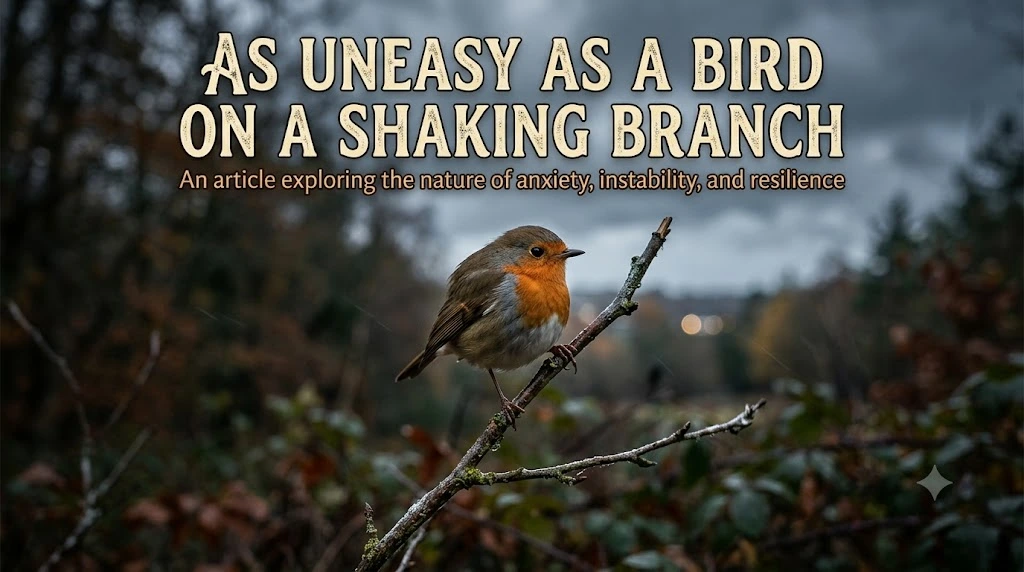
6. As uneasy as a bird on a shaking branch
Meaning:
Nervous and impatient.
Usage Insight:
Use when describing anxiety or restlessness.
Examples:
- He felt as uneasy as a bird on a shaking branch.
- She looked around as nervously as a bird in wind.
7. Like sunlight slowly reaching the ground
Meaning:
Gradual and patient progress.
Usage Insight:
Great for describing slow development.
Examples:
- His recovery was like sunlight slowly reaching the ground.
- Understanding came like light through leaves.
8. As sharp as a snapped twig
Meaning:
Sudden or harsh reaction due to impatience.
Usage Insight:
Use for quick, emotional responses.
Examples:
- His reply was as sharp as a snapped twig.
- She spoke with a tone as harsh as breaking wood.
9. Like a forest waiting for rain
Meaning:
Hopeful patience.
Usage Insight:
Ideal for emotional anticipation.
Examples:
- He waited like a forest waiting for rain.
- She hoped quietly like dry earth expecting water.
10. As steady as a tree trunk
Meaning:
Stable and patient.
Usage Insight:
Use for dependable and calm individuals.
Examples:
- Her focus was as steady as a tree trunk.
- He stood firm and calm through every challenge.
11. Like branches swaying but not breaking
Meaning:
Flexible patience under pressure.
Usage Insight:
Perfect for resilience in tough situations.
Examples:
- She handled stress like branches swaying but not breaking.
- He adapted calmly like trees in strong winds.
12. As slow as moss growing on bark
Meaning:
Very slow but steady progress.
Usage Insight:
Use for long-term patience.
Examples:
- His improvement was as slow as moss growing on bark.
- Change came gradually over time.
13. Like a seed waiting to sprout
Meaning:
Quiet anticipation and patience.
Usage Insight:
Ideal for future growth themes.
Examples:
- She waited like a seed waiting to sprout.
- His dreams rested quietly beneath the surface.
14. As tense as branches before a storm
Meaning:
Nervous impatience.
Usage Insight:
Use for moments before important events.
Examples:
- He felt as tense as branches before a storm.
- The room grew silent with anticipation.
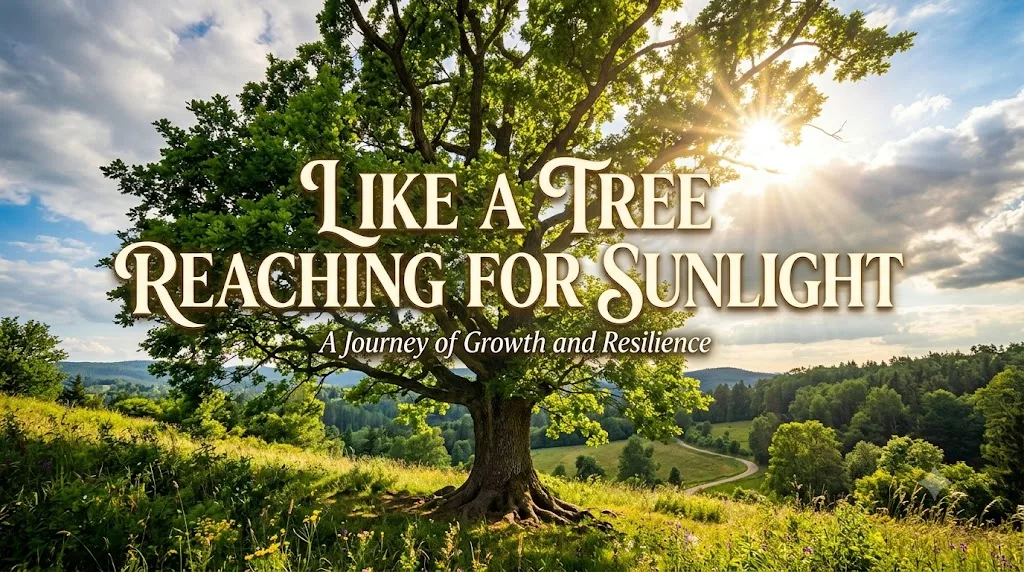
15. Like a tree reaching for sunlight
Meaning:
Hopeful and steady growth.
Usage Insight:
Great for positive development.
Examples:
- She improved like a tree reaching for sunlight.
- His confidence grew stronger every day.
How to Use Similes Effectively in Writing
Similes can transform your writing when used thoughtfully:
- Make comparisons clear and meaningful so readers instantly understand them.
- Avoid overusing similes to keep your writing balanced.
- Use natural imagery, especially from nature, to create strong visuals.
- Adapt similes to different formats:
- Poetry: Add rhythm and beauty
- Stories: Build emotion and atmosphere
- Essays: Explain ideas clearly
- Songs: Create memorable lines
- Focus on emotional impact to connect with readers deeply.
FAQs
1. What is the difference between “impatient” and “inpatient”?
“Impatient” means lacking patience, while “inpatient” refers to a person staying in a hospital for treatment.
2. What is a simile in simple terms?
A simile compares two things using “like” or “as” to make ideas clearer.
3. How is a simile different from a metaphor?
A simile uses “like” or “as,” while a metaphor directly compares without those words.
4. Why are similes useful in writing?
They make writing more vivid, engaging, and easier to understand.
5. Can similes be used in academic writing?
Yes, when used carefully, they help explain ideas clearly without reducing formality.
Conclusion
Understanding impatient vs inpatient is essential for clear communication, and similes make that learning process easier and more enjoyable. Like trees that symbolize strength, growth, and resilience, similes give your writing depth and life. They help transform simple explanations into vivid and memorable expressions. Whether you are writing creatively or academically, similes add clarity, emotion, and beauty to your words. With practice, your language will grow stronger, more expressive, and deeply rooted—just like a thriving tree.