
Language becomes more engaging and expressive when we use similes—simple comparisons that help readers clearly imagine ideas. A simile compares two different things using “like” or “as,” making writing more vivid and meaningful. In figurative language, similes are important because they turn abstract thoughts into clear and relatable images. Nature often inspires the best similes, and trees are especially powerful symbols in writing.
Trees represent strength, growth, resilience, wisdom, and deep human emotion. Just like a tree grows steadily over time, language becomes stronger when we combine grammar and creativity. Similes help writers express feelings, ideas, and descriptions in a natural and memorable way. When you understand grammar concepts like non finite verbs, your writing becomes both accurate and expressive.
What Are Non Finite Verbs?
Non finite verbs are verbs that do not change according to tense, person, or number. They do not act as the main verb in a sentence.
Types of Non Finite Verbs:
- Infinitives: to run, to write
- Gerunds: running, writing
- Participles: running (present), written (past)
Example: She enjoys reading books. Here, reading is a gerund and a non finite verb.
What Is a Simile?
A simile is a figure of speech that compares two different things using “like” or “as.”
Example: His thoughts were as deep as a forest.
This helps the reader clearly imagine depth and complexity.
1. As steady as a growing tree
Meaning:
Consistent and reliable
Usage Insight:
Ideal for describing habits or actions
- Her progress is as steady as a growing tree.
- He learns as steady as a growing tree.
2. Like leaves drifting in the wind
Meaning:
Flexible or uncontrolled
Usage Insight:
Useful for uncertainty
- His ideas moved like leaves drifting in the wind.
- The conversation flowed like leaves drifting in the wind.
3. As strong as deep roots
Meaning:
Firm and stable
Usage Insight:
Great for strong foundations
- Her skills are as strong as deep roots.
- The concept stands as strong as deep roots.
4. Like branches reaching outward
Meaning:
Expanding or growing
Usage Insight:
Best for development and learning
- His knowledge grows like branches reaching outward.
- The project expanded like branches reaching outward.
5. As calm as a quiet forest
Meaning:
Peaceful and relaxed
Usage Insight:
Perfect for calm situations
- She remained as calm as a quiet forest.
- The classroom felt as calm as a quiet forest.
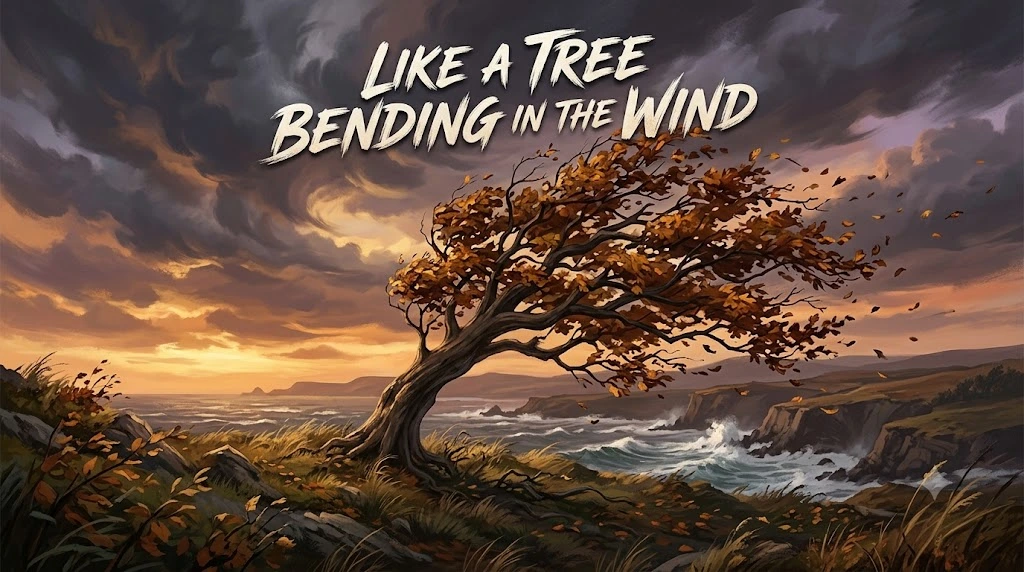
6. Like a tree bending in the wind
Meaning:
Adaptable and resilient
Usage Insight:
Useful for handling change
- He adjusts like a tree bending in the wind.
- Her mindset is like a tree bending in the wind.
7. As bright as sunlight through leaves
Meaning:
Clear and inspiring
Usage Insight:
Ideal for ideas and creativity
- His explanation is as bright as sunlight through leaves.
- Her ideas shine as bright as sunlight through leaves.
8. Like roots spreading underground
Meaning:
Hidden growth
Usage Insight:
Best for unseen progress
- Skills develop like roots spreading underground.
- Confidence grows like roots spreading underground.
9. As refreshing as forest rain
Meaning:
Renewing and energizing
Usage Insight:
Great for new ideas
- The lesson felt as refreshing as forest rain.
- Her approach is as refreshing as forest rain.
10. Like seeds waiting to grow
Meaning:
Full of potential
Usage Insight:
Ideal for future possibilities
- His talents are like seeds waiting to grow.
- The idea felt like seeds waiting to grow.
11. As deep as ancient trees
Meaning:
Profound and meaningful
Usage Insight:
Perfect for deep thoughts
- His understanding is as deep as ancient trees.
- The message felt as deep as ancient trees.
12. Like shadows under tall trees
Meaning:
Quiet and subtle
Usage Insight:
Useful for gentle descriptions
- Her presence was like shadows under tall trees.
- The tone remained like shadows under tall trees.
13. As light as falling leaves
Meaning:
Gentle and soft
Usage Insight:
Best for delicate moments
- Her voice is as light as falling leaves.
- His touch felt as light as falling leaves.
14. Like a forest alive with whispers
Meaning:
Full of quiet activity
Usage Insight:
Ideal for subtle movement
- The discussion felt like a forest alive with whispers.
- Ideas spread like a forest alive with whispers.
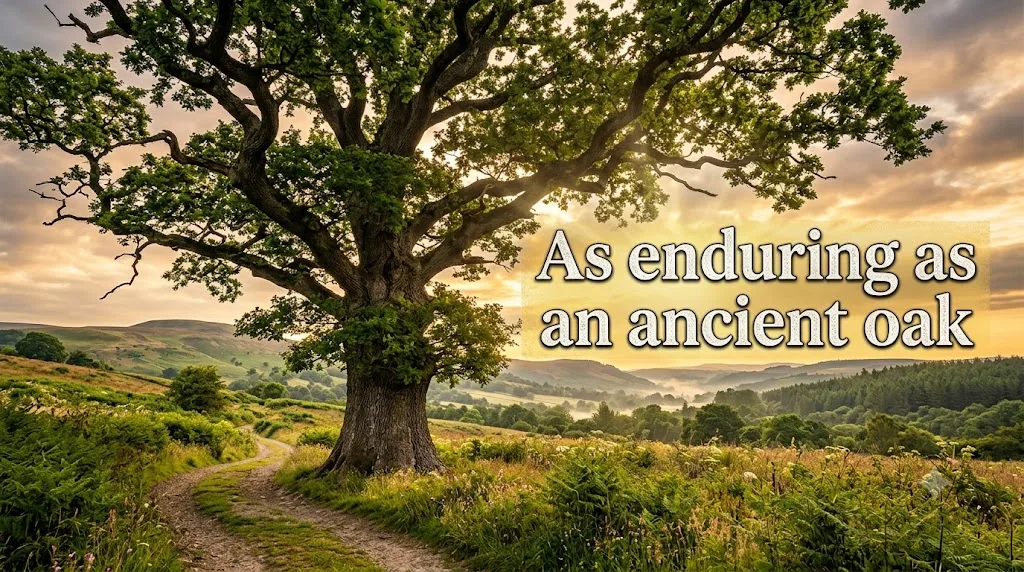
15. As enduring as an ancient oak
Meaning:
Long-lasting and strong
Usage Insight:
Great for lasting impact
- Her knowledge is as enduring as an ancient oak.
- The lesson remained as enduring as an ancient oak.
How to Use Similes Effectively in Writing
- Keep comparisons relevant: Make sure they match your idea
- Be original: Avoid overused phrases
- Use sparingly: Too many similes can distract readers
- Match tone and purpose: Choose soft or strong imagery as needed
Best uses:
- Poems: Add beauty and emotion
- Stories: Build vivid imagery
- Essays: Clarify complex ideas
- Songs: Create memorable lines
- Descriptions: Enhance detail
FAQs
1. What are non finite verbs in simple terms?
Non finite verbs do not change form based on tense or subject and cannot act as the main verb alone.
2. What is a simile?
A simile compares two things using “like” or “as” for clearer imagery.
3. How are similes different from metaphors?
Similes use “like” or “as,” while metaphors make direct comparisons.
4. Can similes be used in academic writing?
Yes, but they should be used carefully to maintain clarity.
5. Why are similes important?
They make writing more vivid, engaging, and easier to understand.
Conclusion
Understanding non finite verbs strengthens your grammar, while similes enhance creativity and expression. Together, they create writing that is both clear and engaging. Like trees that grow steadily and stand strong, your writing improves when you combine structure with imagination. Similes bring clarity, imagery, and emotional depth, helping your words connect with readers in a powerful and lasting way.