
A simile is one of the simplest yet most powerful tools in the entire world of figurative language, and once you understand how it works, you start noticing it everywhere. At its core, a simile draws a vivid comparison between two very different things, usually using the words like or as, to help readers feel an idea rather than just read it. Figurative language matters because plain description often falls flat, while a well-placed comparison can make emotions, images, and meanings come alive on the page. People often search for alliteration vs simile because both are common literary devices, yet they work in completely different ways, one through sound and rhythm, and the other through meaningful comparison.
Trees, in particular, have inspired writers, poets, and storytellers for centuries because they represent so much of what it means to be human. A tree stands tall through storms, grows slowly and patiently, bends without always breaking, and carries deep roots that quietly hold everything together. These same qualities mirror strength, growth, resilience, wisdom, and human emotion in ways that feel instantly familiar to any reader. This article clarifies the difference between alliteration and simile, then explores fifteen original nature similes that show exactly how comparisons bring writing to life.
Alliteration vs Simile: What Is the Difference?
Before exploring examples, it helps to understand how these two devices differ. Alliteration is the repetition of the same starting sound in nearby words, such as whispering willows sway, and its main purpose is to create rhythm, musicality, and emphasis through sound. A simile, on the other hand, is a comparison between two different things using like or as, such as strong as an oak, and its purpose is to create meaning and imagery rather than sound. In short, alliteration pleases the ear, while a simile paints a picture in the mind. Many writers actually combine both devices in the same sentence, such as saying the tall trees stood strong as soldiers, to create writing that is both rhythmic and vivid.
What Is a Simile?
A simile is a figure of speech that compares two unlike things using connecting words such as like or as, helping the reader form a clear and often emotional picture in their mind. For example, saying her patience was like an old oak tree standing firm through every storm instantly communicates steadiness and endurance far better than simply saying she was patient. Similes are one of the most common comparisons in literature because they build a bridge between abstract feelings and something the reader can visualize immediately.
Patient as a Willow Bending Toward the River
Meaning:
This simile describes gentle patience and graceful adaptability, especially when someone chooses to yield rather than resist.
Usage Insight:
This comparison works well in reflective writing or character studies where softness and patience are shown as strengths rather than weaknesses.
- She remained patient as a willow bending toward the river, never forcing an outcome before its time.
- His calm approach to conflict was patient as a willow bending toward the river, always finding a gentle way forward.
Rooted as a Mighty Sequoia in Ancient Soil
Meaning:
This simile represents deep stability and a strong sense of identity that remains unshaken by outside pressure.
Usage Insight:
This works well when describing characters with firm values or a strong sense of self, especially during moments of temptation or doubt.
- Her beliefs stayed rooted as a mighty sequoia in ancient soil, unmoved by criticism or pressure.
- He felt rooted as a mighty sequoia in ancient soil, certain of who he was despite the chaos around him.
Fresh as Buds Awakening After Winter
Meaning:
This simile captures renewal, hope, and the excitement of a fresh beginning after a difficult period.
Usage Insight:
This comparison suits stories about recovery, new relationships, or turning points where optimism finally returns.
- Her outlook on life felt fresh as buds awakening after winter, full of quiet hope.
- Their friendship felt fresh as buds awakening after winter, tender yet full of promise.
Twisted Like a Vine Climbing Toward the Light
Meaning:
This simile represents determination and resourcefulness, especially when someone finds an unconventional path toward success.
Usage Insight:
This works well in stories about perseverance, where the journey is winding rather than straightforward.
- His career twisted like a vine climbing toward the light, full of unexpected turns that eventually led somewhere beautiful.
- Her recovery twisted like a vine climbing toward the light, slow but always moving upward.
Sturdy as a Bridge of Interlocking Branches
Meaning:
This simile symbolizes reliability and support, especially in relationships or partnerships built on trust.
Usage Insight:
This comparison fits well in stories about teamwork, friendship, or family bonds that hold strong under pressure.
- Their partnership was sturdy as a bridge of interlocking branches, built to withstand any storm.
- The team felt sturdy as a bridge of interlocking branches, each person supporting the other without fail.
Quiet as Moss Growing on a Forgotten Stone
Meaning:
This simile represents slow, gentle progress that often goes unnoticed until it becomes significant.
Usage Insight:
This works well when describing subtle emotional growth or change that happens gradually over time.
- Her confidence grew quiet as moss growing on a forgotten stone, barely noticeable until it had fully taken hold.
- His healing was quiet as moss growing on a forgotten stone, steady even when no one was watching.
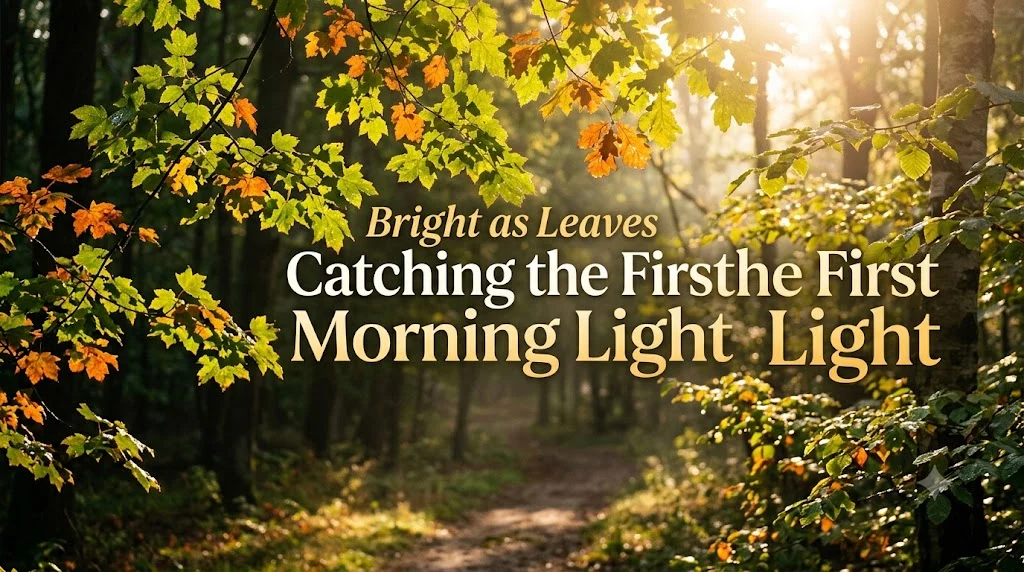
Bright as Leaves Catching the First Morning Light
Meaning:
This simile conveys sudden joy, clarity, or a hopeful shift in mood or perspective.
Usage Insight:
This comparison suits uplifting scenes, especially moments of realization, celebration, or emotional relief.
- Her smile was bright as leaves catching the first morning light after months of uncertainty.
- The news felt bright as leaves catching the first morning light, lifting the heaviness from the room.
Firm as a Trunk That Has Outlived Every Storm
Meaning:
This simile represents endurance built through repeated hardship, showing strength that has been tested and proven.
Usage Insight:
This works well when describing seasoned characters or long-standing relationships that have survived real challenges.
- His resolve remained firm as a trunk that has outlived every storm, unwavering after years of struggle.
- Their marriage stayed firm as a trunk that has outlived every storm, stronger because of what they had endured.
Delicate as Blossoms Trembling in a Spring Breeze
Meaning:
This simile represents fragility paired with beauty, often used to describe emotional vulnerability.
Usage Insight:
This comparison fits tender or emotional scenes, particularly moments involving heartbreak, love, or quiet sensitivity.
- Her feelings were delicate as blossoms trembling in a spring breeze, easily stirred by the smallest gesture.
- The moment felt delicate as blossoms trembling in a spring breeze, fragile yet undeniably beautiful.
Layered Like Rings Marking Years of Growth
Meaning:
This simile symbolizes accumulated experience and personal history, showing how every stage of life leaves its mark.
Usage Insight:
This works well in reflective essays, memoirs, or character backstories where past experiences shape present identity.
- Her wisdom felt layered like rings marking years of growth, each hardship adding depth to her understanding.
- His personality was layered like rings marking years of growth, shaped quietly by everything he had lived through.
Whispering Like Leaves Sharing Secrets in the Wind
Meaning:
This simile represents soft, intimate communication, often used to describe closeness or quiet conversation.
Usage Insight:
This comparison works beautifully in romantic or emotionally intimate scenes where dialogue feels gentle and private.
- Their conversation felt whispering like leaves sharing secrets in the wind, soft and meant only for the two of them.
- The room grew whispering like leaves sharing secrets in the wind as she finally opened up about her past.
Unshaken as a Trunk Anchored by Endless Roots
Meaning:
This simile represents deep inner stability that remains constant even during emotional or external turmoil.
Usage Insight:
This works well for describing calm leadership or emotional steadiness during a crisis.
- She stayed unshaken as a trunk anchored by endless roots while everyone around her panicked.
- His leadership remained unshaken as a trunk anchored by endless roots, even under enormous pressure.
Golden as Leaves Turning Before They Let Go
Meaning:
This simile represents beauty found in transition, especially the graceful acceptance of change or endings.
Usage Insight:
This comparison suits bittersweet moments, such as farewells, life transitions, or the closing chapter of a story.
- Her final years felt golden as leaves turning before they let go, filled with quiet grace.
- Their goodbye felt golden as leaves turning before they let go, sad yet strangely beautiful.
Persistent as Roots Cracking Through Solid Concrete
Meaning:
This simile symbolizes determination strong enough to overcome even the most rigid obstacles.
Usage Insight:
This works well in stories about ambition, breaking barriers, or achieving success against the odds.
- Her ambition was persistent as roots cracking through solid concrete, refusing to be contained.
- His determination grew persistent as roots cracking through solid concrete, slowly reshaping everything in its path.
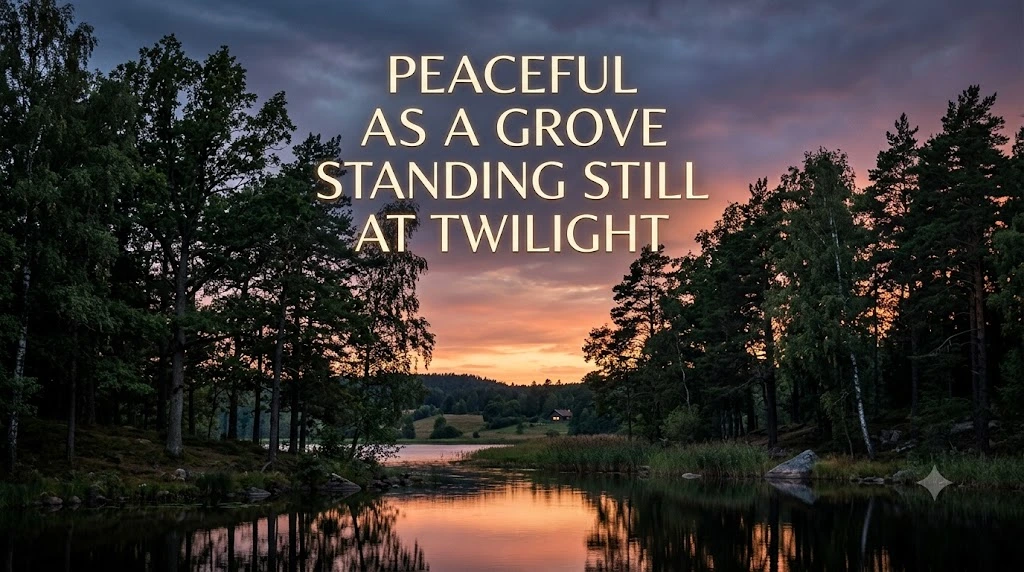
Peaceful as a Grove Standing Still at Twilight
Meaning:
This simile represents calmness and inner peace, especially after a long period of struggle or noise.
Usage Insight:
This comparison fits closing scenes or emotional resolutions, where a character finally finds stillness.
- Her mind felt peaceful as a grove standing still at twilight, calm after years of restless thoughts.
- The house grew peaceful as a grove standing still at twilight once the storm of the day had finally passed.
How to Use Similes Effectively in Writing
Similes work best when they feel natural rather than forced, so it helps to choose comparisons that genuinely match the emotion or image you want to create. For creative descriptions, nature similes work particularly well because they connect abstract emotions to something tangible and universally understood. If you also want to add rhythm, try pairing a simile with light alliteration, such as saying steady as a silent stream, since the sound and the comparison reinforce each other beautifully. Finally, always read your writing aloud, since a simile should sound smooth and effortless, never like it was forced into the sentence.
Frequently Asked Questions
What is the difference between alliteration and simile?
Alliteration repeats the same starting sound in nearby words to create rhythm and musicality, while a simile compares two different things using like or as to create meaning and imagery. One focuses on sound, and the other focuses on comparison.
Can alliteration and simile be used together in the same sentence?
Yes, many writers combine both devices for stronger effect, such as saying the tall trees stood strong as soldiers, which creates a vivid comparison while also adding a pleasing rhythmic sound.
What is the difference between a simile and a metaphor?
A simile compares two things using connecting words like or as, such as strong as an oak, while a metaphor states that one thing is another without using those connecting words, such as saying he is an oak. Both are forms of figurative language, but similes make the comparison more explicit.
Why are similes important in figurative language?
Similes are important because they transform abstract or complex ideas into vivid, relatable images, making writing more engaging, emotionally resonant, and easier for readers to understand.
Can similes be used in academic writing?
Yes, similes can be used in academic writing when they help clarify a complex concept or make an argument more accessible, though they should be used sparingly and remain relevant to the topic being discussed.
conclusion
Understanding alliteration vs simile helps writers choose the right tool for the right moment, whether they want their words to sound beautiful or to paint a picture the reader can truly feel. The nature similes explored in this article, from roots cracking through concrete to leaves whispering secrets in the wind, show how nature can express emotions that plain words often struggle to capture. When used thoughtfully, similes add clarity, vivid imagery, and genuine emotional depth to poems, stories, essays, and everyday writing. The next time you want your words to feel more alive, look to the trees and the natural world around you, because their strength, growth, resilience, and quiet wisdom have been telling human stories for centuries.