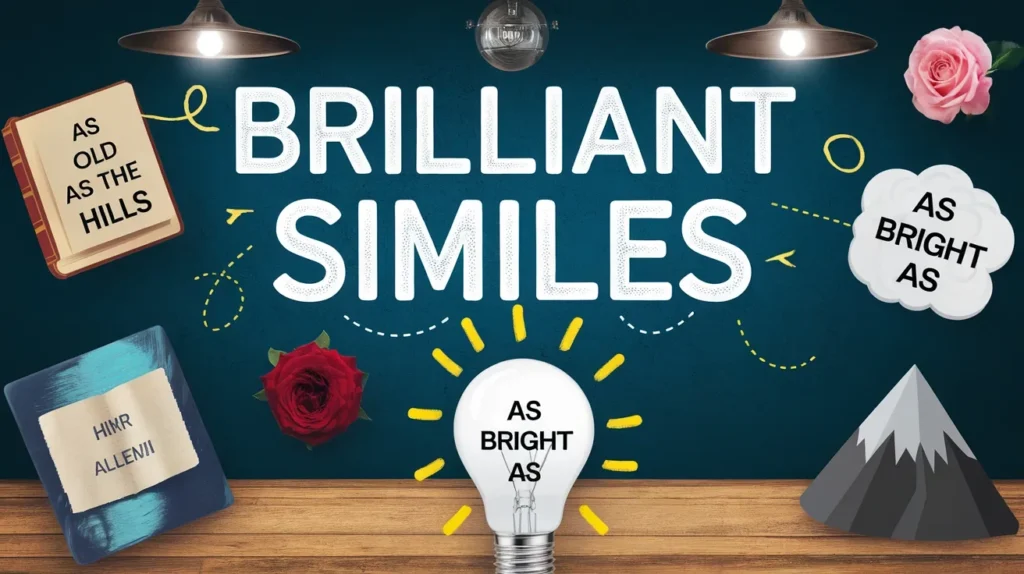
Language becomes truly powerful when it paints pictures in the reader’s mind, and that is exactly what similes do. A simile is a simple comparison that uses words like as or like to connect two different ideas. These comparisons help readers understand emotions, situations, and descriptions more clearly. In figurative language, similes act like bridges that link imagination with reality.
They make writing more vivid, engaging, and memorable. Just like trees stand firm through storms and seasons, similes give strength and depth to your words. Trees are timeless symbols of growth, resilience, wisdom, and human emotion, which is why they often appear in powerful comparisons. When you understand expressions like finger in the dike, similes help you explain them in a more creative and relatable way. This guide will explore the meaning of finger in the dike while showing you how to use meaningful similes to enhance your writing.
What Is a Simile?
A simile is a figure of speech that compares two different things using like or as.
Example:
He stood strong like a tree in a storm.
This simile helps readers visualize strength and stability.
Finger in the Dike: Meaning
The phrase finger in the dike means a small or temporary solution used to stop a much bigger problem. It often suggests that the fix is not permanent and that the issue may grow worse over time.
1. Like a finger in the dike holding back a flood
Meaning:
A small effort against a large problem
Usage Insight:
Best for serious or urgent situations
Examples:
- His quick decision felt like a finger in the dike holding back a flood.
- The funding acted like a finger in the dike holding back a flood.
2. As fragile as a twig against a storm
Meaning:
Weak compared to a powerful force
Usage Insight:
Nature-based emotional writing
Examples:
- Their plan was as fragile as a twig against a storm.
- The defense seemed as fragile as a twig against a storm.
3. Like a leaf trying to stop the wind
Meaning:
Nearly impossible effort
Usage Insight:
Dramatic tone
Examples:
- His resistance was like a leaf trying to stop the wind.
- The policy worked like a leaf trying to stop the wind.
4. As temporary as sand against waves
Meaning:
Short-lived solution
Usage Insight:
Poetic descriptions
Examples:
- The fix was as temporary as sand against waves.
- Their agreement felt as temporary as sand against waves.
5. Like a small dam in a raging river
Meaning:
Insufficient protection
Usage Insight:
Strong visual imagery
Examples:
- The barrier stood like a small dam in a raging river.
- Their effort felt like a small dam in a raging river.
6. As brave as a lone tree in a storm
Meaning:
Courage despite danger
Usage Insight:
Inspirational writing
Examples:
- She stood as brave as a lone tree in a storm.
- His actions were as brave as a lone tree in a storm.
7. Like a patch on a leaking roof

Meaning:
Temporary repair
Usage Insight:
Everyday situations
Examples:
- The solution was like a patch on a leaking roof.
- Their strategy worked like a patch on a leaking roof.
8. As thin as a thread holding weight
Meaning:
Very weak support
Usage Insight:
Suspenseful writing
Examples:
- Their hope was as thin as a thread holding weight.
- The plan seemed as thin as a thread holding weight.
9. Like a candle in heavy rain
Meaning:
Easily overwhelmed
Usage Insight:
Emotional imagery
Examples:
- His courage flickered like a candle in heavy rain.
- The system failed like a candle in heavy rain.
10. As small as a drop in the ocean
Meaning:
Insignificant compared to the whole
Usage Insight:
Common comparison
Examples:
- Their help was as small as a drop in the ocean.
- The change felt as small as a drop in the ocean.
11. Like roots barely holding loose soil
Meaning:
Weak stability
Usage Insight:
Nature similes
Examples:
- Their control was like roots barely holding loose soil.
- The system stood like roots barely holding loose soil.
12. As fleeting as shadows at sunset
Meaning:
Short-lasting
Usage Insight:
Poetic tone
Examples:
- The relief was as fleeting as shadows at sunset.
- Their success felt as fleeting as shadows at sunset.
13. Like a shield made of paper
Meaning:
Ineffective protection
Usage Insight:
Strong contrast
Examples:
- Their defense was like a shield made of paper.
- The policy worked like a shield made of paper.
14. As uncertain as clouds before a storm
Meaning:
Unpredictable and unstable
Usage Insight:
Atmospheric descriptions
Examples:
- The outcome was as uncertain as clouds before a storm.
- Their future seemed as uncertain as clouds before a storm.
15. Like a single stone stopping a landslide

Meaning:
A very small effort against a massive force
Usage Insight:
Dramatic storytelling
Examples:
- His attempt felt like a single stone stopping a landslide.
- The action worked like a single stone stopping a landslide.
How to Use Similes Effectively in Writing
- In poems: Use nature similes like trees, storms, and rivers to create emotion.
- In stories: Add similes to make scenes vivid and memorable.
- In essays: Use clear comparisons to explain complex ideas.
- In songs: Similes make lyrics expressive and relatable.
- In descriptions: Keep comparisons simple and meaningful.
Avoid overusing similes—focus on clarity and impact.
FAQs
1. What does “finger in the dike” mean?
It refers to a small or temporary solution to a much larger problem.
2. Where does the phrase come from?
It comes from a story about a boy stopping a leak in a dike with his finger.
3. What is a simile?
A simile compares two things using like or as.
4. What is the difference between a simile and a metaphor?
A simile uses like or as, while a metaphor makes a direct comparison.
5. Can similes improve writing?
Yes, they make writing clearer, more vivid, and more engaging.
Conclusion
Understanding the phrase finger in the dike helps you describe situations where small efforts try to control big problems. When combined with similes, your writing becomes more powerful and expressive. Just like trees stand strong through storms, similes give your words strength, clarity, and emotional depth. They turn simple ideas into vivid images that readers can feel and understand. Whether you are writing creatively or academically, mastering similes will transform your communication. Keep practicing, and let your words grow strong, clear, and meaningful.