Perseverance is the quiet force that keeps people moving forward even when life becomes difficult. One of the most beautiful ways to express this strength in language is through similes. Similes are simple yet powerful tools that compare one thing to another using words like “as” or “like,” making ideas clearer and more vivid. They allow writers to turn abstract feelings into images readers can see and feel. In figurative language, similes are essential because they bring emotion, depth, and imagination into everyday writing.
Nature, especially trees, often inspires similes because trees symbolize endurance, growth, and resilience. A tree stands firm through storms, grows slowly over time, and bends without breaking—just like human perseverance. These natural qualities make trees a perfect symbol for strength, wisdom, and emotional depth. In this article, you will discover some of the best similes for perseverance that will elevate your writing and make your ideas more impactful.
What Is a Simile?
A simile is a figure of speech that compares two different things using the words “like” or “as” to highlight a shared quality.
Example:
She stood strong like a tree in a storm.
This simile compares a person’s strength to a tree’s ability to withstand harsh weather, making the idea more vivid and relatable.
1. As Steady as a Tree in the Wind
Meaning:
Staying calm and firm despite challenges.
Usage Insight:
Perfect for describing emotional strength and calm persistence.
Examples:
- She remained as steady as a tree in the wind during the crisis.
- His voice was as steady as a tree in the wind, even under pressure.
2. Like Roots Clinging to the Earth
Meaning:
Holding on firmly despite difficulties.
Usage Insight:
Ideal for showing deep determination and connection.
Examples:
- He held onto his dreams like roots clinging to the earth.
- Her courage was like roots clinging to the earth in tough times.
3. As Unyielding as an Ancient Oak
Meaning:
Strong and resistant to change or defeat.
Usage Insight:
Works well in formal or poetic writing.
Examples:
- His determination was as unyielding as an ancient oak.
- She stood as unyielding as an ancient oak against criticism.
4. Like a River Carving Through Stone
Meaning:
Achieving goals slowly but persistently.
Usage Insight:
Great for long-term perseverance themes.
Examples:
- His efforts were like a river carving through stone.
- She worked like a river carving through stone, patient and strong.
5. As Resilient as a Tree After a Storm
Meaning:
Recovering quickly after hardship.
Usage Insight:
Best for stories of comeback and healing.
Examples:
- He was as resilient as a tree after a storm.
- She rose as resilient as a tree after a storm.
6. Like a Seed Pushing Through Soil
Meaning:
Growing despite obstacles.
Usage Insight:
Ideal for new beginnings and personal growth.
Examples:
- His hope was like a seed pushing through soil.
- She grew stronger like a seed pushing through soil.
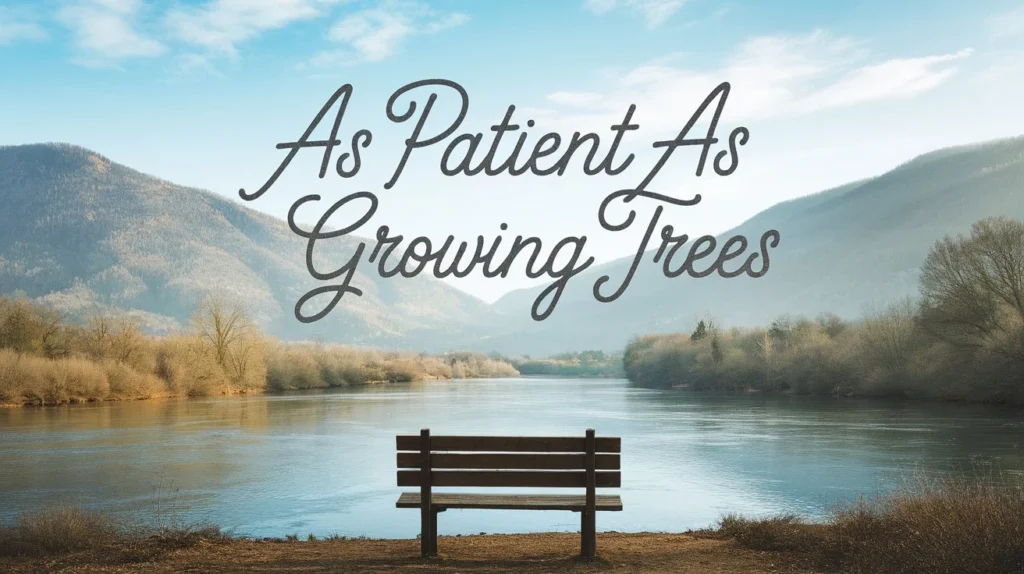
7. As Patient as Growing Trees
Meaning:
Taking time to develop strength.
Usage Insight:
Perfect for emphasizing patience and progress.
Examples:
- Success requires being as patient as growing trees.
- He waited as patient as growing trees for results.
8. Like Branches Reaching for the Sky
Meaning:
Striving for higher goals.
Usage Insight:
Great for ambition and aspiration.
Examples:
- Her dreams stretched like branches reaching for the sky.
- He worked like branches reaching for the sky.
9. As Strong as Roots Beneath the Ground
Meaning:
Hidden strength and support.
Usage Insight:
Useful for inner strength descriptions.
Examples:
- Her faith was as strong as roots beneath the ground.
- He stood firm as strong as roots beneath the ground.
10. Like a Mountain Standing Through Time
Meaning:
Enduring and unshakable.
Usage Insight:
Works well in inspirational writing.
Examples:
- His spirit was like a mountain standing through time.
- She remained like a mountain standing through time.
11. As Persistent as the Rising Sun
Meaning:
Always returning and never giving up.
Usage Insight:
Ideal for daily effort and consistency.
Examples:
- He was as persistent as the rising sun.
- Her efforts were as persistent as the rising sun.
12. Like Waves Returning to Shore
Meaning:
Continuous effort despite setbacks.
Usage Insight:
Great for repetitive struggles.
Examples:
- She tried again like waves returning to shore.
- His efforts came like waves returning to shore.
13. As Determined as a Climbing Vine
Meaning:
Slowly but surely moving upward.
Usage Insight:
Best for gradual progress.
Examples:
- He was as determined as a climbing vine.
- She advanced as determined as a climbing vine.
14. Like Fire That Refuses to Die
Meaning: Strong inner passion and persistence. Usage Insight: Works well for emotional intensity. Examples:
- His hope burned like fire that refuses to die.
- She fought like fire that refuses to die.
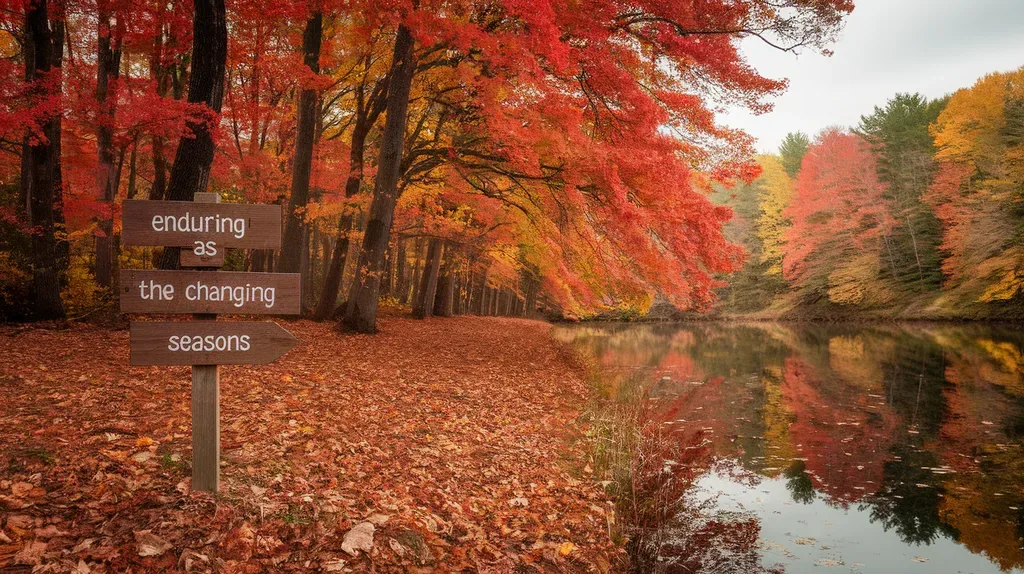
15. As Enduring as the Changing Seasons
Meaning:
Continuing through cycles of hardship.
Usage Insight:
Ideal for long-term perseverance themes.
Examples:
- Life requires being as enduring as the changing seasons.
- He stayed strong as enduring as the changing seasons.
How to Use Similes Effectively in Writing
Using similes well can transform ordinary writing into something vivid and memorable. In poetry, similes create emotional depth and imagery that readers can feel. In stories, they help describe characters, settings, and struggles in a relatable way. When writing essays, similes can simplify complex ideas and make arguments clearer. Songwriters often use similes to express feelings in a powerful yet simple way. The key is to choose comparisons that feel natural and meaningful, not forced. Avoid overusing similes, as too many can overwhelm the reader. Instead, focus on quality, clarity, and emotional connection to make your writing shine.
FAQs
1. What are the best similes for perseverance?
The best similes for perseverance compare determination to strong natural elements like trees, rivers, mountains, and roots, showing endurance and growth.
2. What is the difference between a simile and a metaphor?
A simile uses “like” or “as” to compare, while a metaphor directly states that one thing is another.
3. Why are similes important in writing?
Similes make writing more vivid, engaging, and easier to understand by creating clear mental images.
4. Can similes be used in academic writing?
Yes, but they should be used carefully to clarify ideas without making the tone too informal.
5. How do similes improve creative writing?
They add imagery, emotion, and depth, helping readers connect with the message more strongly.
Conclusion
The best similes for perseverance do more than decorate language—they bring strength, clarity, and emotion to your words. By comparing determination to powerful elements like trees, roots, and natural forces, similes make abstract ideas feel real and inspiring. They help readers visualize struggle, growth, and resilience in a way that plain language cannot achieve. Whether you are writing poetry, stories, essays, or songs, these similes can elevate your expression and deepen your message. With thoughtful use, similes turn simple writing into meaningful storytelling. Keep practicing, stay creative, and let your words grow as strong and steady as a tree that never stops reaching for the sky.