Language becomes more vivid and meaningful when we use similes to explain ideas in a simple and creative way. A simile is a comparison that uses words like “as” or “like” to connect two different things. It helps readers see, feel, and understand ideas more clearly. Similes are important in figurative language because they turn plain sentences into colorful and memorable expressions. Just like trees stand tall through storms and seasons, similes give strength and depth to writing. Trees are powerful symbols of growth, resilience, wisdom, and human emotion, making them perfect inspiration for comparisons. When we talk about grammar topics like “eaten vs ate,” similes can make learning easier and more enjoyable. Instead of memorizing rules, readers can imagine them. This article will help you understand the difference between eaten and ate while improving your writing with creative similes.
Eaten vs Ate: What’s the Difference?
Understanding eaten vs ate is simple when you know how verb tenses work.
- Ate is the past simple form of the verb “eat.”
- Example: She ate breakfast early.
- Eaten is the past participle form and is used with helping verbs like has, have, or had.
- Example: She has eaten breakfast.
Think of it this way:
- Ate = finished action in the past
- Eaten = part of a complete tense (perfect tenses)
What Is a Simile?
A simile is a figure of speech that compares two different things using “like” or “as.”
Example:
He ate his meal as quickly as a bird pecking seeds.
This makes the action easy to imagine and more engaging.
1. Using Ate Is Like a Tree Dropping Leaves in Autumn
Meaning:
A completed action in the past.
Usage Insight:
Use this simile when describing something clearly finished.
Examples:
- He ate his lunch like a tree dropping leaves in autumn—quick and complete.
- She ate the cake as naturally as leaves fall at the end of the season.
2. Using Eaten Is Like Roots Holding the Past Beneath the Soil
Meaning:
Connected to a past action with ongoing relevance.
Usage Insight:
Best for perfect tenses.
Examples:
- He has eaten already, like roots holding the past beneath the soil.
- She had eaten before we arrived, quietly rooted in time.
3. Ate vs Eaten Is Like a Branch and Its Shadow
Meaning:
Related forms with different roles.
Usage Insight:
Great for explaining structure.
Examples:
- Ate vs eaten is like a branch and its shadow—connected but used differently.
- The forms look similar, but their purpose changes.
4. Using Ate Is Like a Bird Finishing Its Flight
Meaning:
A completed, independent action.
Usage Insight:
Use for simple past clarity.
Examples:
- He ate dinner like a bird finishing its flight.
- She ate quickly and moved on.
5. Using Eaten Is Like a Tree Growing Rings Over Time
Meaning:
Part of a larger timeline.
Usage Insight:
Perfect for explaining ongoing or linked actions.
Examples:
- He has eaten, like a tree growing rings over time.
- She had eaten before the meeting began.
6. Ate vs Eaten Is Like Rain Falling and Water Collected
Meaning:
One is the action, the other shows result.
Usage Insight:
Helps show cause and effect.
Examples:
- Ate is like rain falling; eaten is like water collected.
- The difference becomes clear when you see the result.
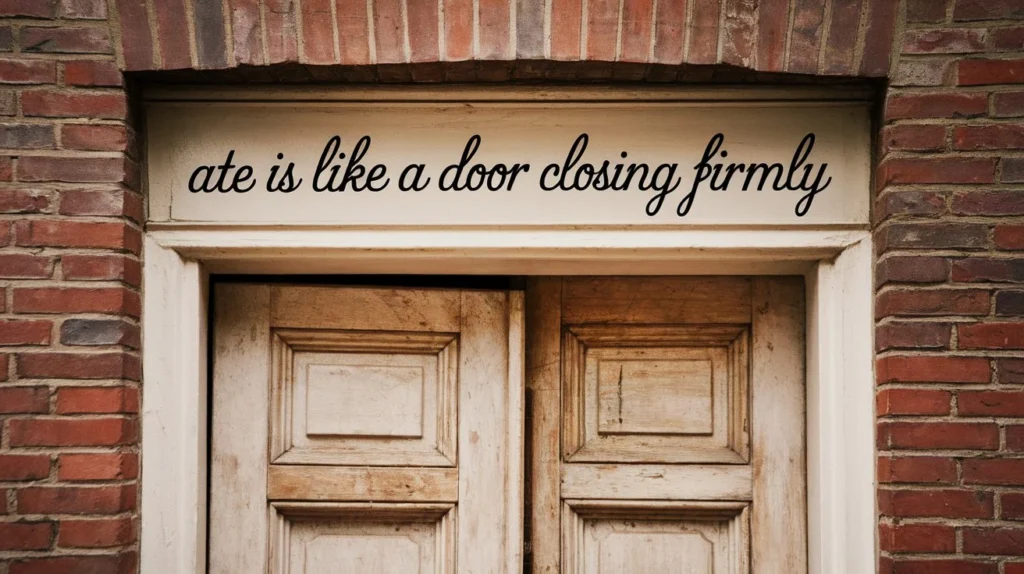
7. Using Ate Is Like a Door Closing Firmly
Meaning:
A finished action.
Usage Insight:
Strong for finality.
Examples:
- He ate his meal like a door closing firmly.
- She ate and ended the conversation.
8. Using Eaten Is Like a Story Still Echoing
Meaning:
Past action with present relevance.
Usage Insight:
Ideal for present perfect tense.
Examples:
- He has eaten, like a story still echoing in the room.
- She has eaten, so she isn’t hungry now.
9. Ate vs Eaten Is Like a Seed and a Growing Tree
Meaning:
One is simple, the other is developed.
Usage Insight:
Explains complexity.
Examples:
- Ate vs eaten is like a seed and a growing tree.
- One is simple, the other expands with context.
10. Using Ate Is Like a Flash of Lightning
Meaning:
Quick, complete action.
Usage Insight:
Great for fast events.
Examples:
- He ate his food like a flash of lightning.
- She ate in seconds and rushed out.
11. Using Eaten Is Like a River That Has Already Flowed
Meaning:
Action completed but still relevant.
Usage Insight:
Perfect for reflective tone.
Examples:
- He has eaten, like a river that has already flowed.
- She had eaten before the guests arrived.
12. Ate vs Eaten Is Like Footsteps and Footprints
Meaning:
Action vs result.
Usage Insight:
Strong visual explanation.
Examples:
- Ate vs eaten is like footsteps and footprints.
- One shows movement, the other shows what remains.
13. Using Ate Is Like a Candle Burning Out
Meaning:
Completely finished.
Usage Insight:
Emphasizes completion.
Examples:
- He ate everything like a candle burning out.
- She ate until nothing was left.
14. Using Eaten Is Like Smoke Lingering in the Air
Meaning:
Past action with lingering effect.
Usage Insight:
Good for emotional tone.
Examples:
- He has eaten, like smoke lingering in the air.
- She had eaten, leaving only the memory behind.
15. Ate vs Eaten Is Like Sunrise and Sunset
Meaning:
Two parts of a cycle.
Usage Insight:
Ideal for conceptual understanding.
Examples:
- Ate vs eaten is like sunrise and sunset.
- Both belong to the same day but serve different roles.
How to Use Similes Effectively in Writing
- Keep comparisons clear:
- Use familiar ideas your readers understand.
- Stay relevant:
- Match the simile to your topic and tone.
- Avoid overuse:
- Too many similes can distract from your message.
- Be creative:
- Fresh comparisons make writing stand out.
- Use in different forms:
- Poems: add emotion and rhythm
- Stories: create vivid imagery
- Essays: clarify complex ideas
- Songs: make lyrics memorable
- Focus on sensory detail:
- Think about sight, sound, and feeling.
FAQs
1. What is the difference between eaten and ate?
“Ate” is past simple, while “eaten” is used with helping verbs in perfect tenses.
2. What is a simile?
A simile compares two things using “like” or “as” to create imagery.
3. How is a simile different from a metaphor?
A simile uses “like” or “as,” while a metaphor makes a direct comparison.
4. Can I use similes in academic writing?
Yes, but use them carefully to keep your writing clear and professional.
5. Why are similes useful in learning grammar?
They make rules easier to understand by turning them into visual comparisons.
Conclusion
Mastering “eaten vs ate” becomes much easier when you see the difference through clear explanations and creative similes. Like trees that grow strong and steady over time, your understanding of language deepens when you connect ideas visually and emotionally. Similes bring life to grammar, turning simple rules into memorable images. They help readers see not just what you mean, but how it feels. Whether you are writing creatively or academically, using similes adds clarity, beauty, and depth to your words. By practicing these comparisons, you strengthen your writing skills and make your ideas more engaging. Just like a tree rooted in knowledge, your language will grow stronger with every sentence you write.