
Words have a quiet kind of magic, and similes are one of the tools that make that magic visible. A simile takes something ordinary and, in a single breath, connects it to something vivid, strange, or beautiful, letting readers feel an idea instead of just reading it. Figurative language like this matters because facts alone often fail to move us, while a well-placed comparison can turn a flat sentence into a memory. Among all the verbs writers reach for, few carry as much energy as leapt or leaped — words that capture motion, urgency, and emotion in one quick action.
Pair that verb with the natural world, and you get some of the most powerful similes in the English language, because nature has always leapt: deer over fences, flames across dry grass, salmon against the current. Trees, in particular, have long stood as symbols of strength, patience, growth, and quiet wisdom, their roots gripping the earth while their branches reach toward change. When writers borrow from nature to describe human feeling, they tap into something readers already understand instinctively, without needing an explanation. This article explores fifteen original similes built around leapt and leaped, each one designed to help you write with more clarity, imagery, and emotional depth, whether you’re crafting a poem, a story, an essay, or a song.
What Is a Simile?
A simile is a figure of speech that compares two unlike things using the words like or as, helping readers picture an idea more vividly than a plain statement could. For example, saying “her courage leapt like a flame catching wind” instantly gives the reader a sense of sudden, blazing strength — something a simple sentence like “she became brave” could never fully capture. Similes work because they borrow the emotional weight of one image (fire, animals, weather, trees) and lend it to another (a feeling, a person, a moment), creating instant understanding through comparison rather than explanation.
1. Leapt Like a Deer Startled by Thunder
Meaning:
This simile describes a sudden, instinctive, almost involuntary reaction to fear or shock — a movement driven by pure nerve rather than thought.
Usage Insight:
It works best in scenes of surprise, danger, or emotional jolt, where the character’s body reacts before their mind catches up. Use it when you want the reader to feel the suddenness physically, not just understand it intellectually.
Examples:
- When the phone rang at midnight, her heart leapt like a deer startled by thunder, and she was on her feet before she even registered the sound.
- He leapt like a deer startled by thunder when the branch snapped behind him in the dark woods.
2. Leaped Like Flames Dancing in the Wind
Meaning:
This simile captures movement that is wild, unpredictable, and full of restless energy, often tied to excitement or passion that refuses to stay still.
Usage Insight:
It suits moments of joy, inspiration, or barely contained enthusiasm, especially when describing ideas, creativity, or rising emotion in a scene. It adds warmth and motion without suggesting danger.
Examples:
- Her ideas leaped like flames dancing in the wind, each one sparking three more before she could write them down.
- The children’s laughter leaped like flames dancing in the wind across the quiet backyard that evening.
3. Leapt Like a Salmon Fighting Upstream
Meaning:
This simile represents determined, exhausting effort against resistance — progress that is hard-won rather than easy or graceful.
Usage Insight:
It’s ideal for describing perseverance, ambition, or a struggle against difficult odds, particularly in stories about overcoming obstacles or personal growth. It signals strength through struggle rather than natural ease.
Examples:
- Every year, her career leapt like a salmon fighting upstream, gaining ground only through relentless effort and refusal to quit.
- The old truck’s engine leapt like a salmon fighting upstream, straining but somehow always making it up that final hill.
4. Leaped Like Sparks From a Blacksmith’s Anvil
Meaning:
This simile suggests something bright, brief, and forceful — an idea, reaction, or moment that appears suddenly and burns with intensity before fading.
Usage Insight:
Use it for flashes of insight, anger, or creativity that arrive sharply and leave an impression, especially in fast-paced or dramatic writing. It works well when brevity and impact matter more than duration.
Examples:
- Thoughts leaped like sparks from a blacksmith’s anvil as she sat listening to the debate, each one sharper than the last.
- His temper leaped like sparks from a blacksmith’s anvil whenever someone questioned his loyalty to the team.
5. Leapt Like a Grasshopper in Summer Grass
Meaning:
This simile conveys light, carefree, playful movement, often associated with childhood, freedom, or a lack of worry.
Usage Insight:
It fits scenes meant to feel breezy and joyful, particularly descriptions of children, pets, or lighthearted moments where speed doesn’t imply urgency, just delight. Avoid it in tense or serious scenes, since the tone leans playful.
Examples:
- The puppy leapt like a grasshopper in summer grass, chasing butterflies it had no real hope of catching.
- Her thoughts leapt like a grasshopper in summer grass all afternoon, jumping happily from one daydream to the next.
6. Leaped Like Lightning Across a Stormy Sky
Meaning:
This simile describes something extremely fast, sudden, and impossible to predict or fully see — often associated with sharp intelligence, danger, or dramatic change.
Usage Insight:
It’s effective for high-tension moments, quick decisions, or dramatic turning points, where speed and unpredictability define the action. It adds a cinematic, larger-than-life quality to writing.
Examples:
- The rumor leaped like lightning across a stormy sky, reaching every corner of the office before lunch.
- His decision leaped like lightning across a stormy sky, changing the course of the negotiation in a single sentence.
7. Leapt Like a Dolphin Breaking the Waves

Meaning:
This simile suggests graceful, joyful, powerful motion — a leap that feels celebratory rather than desperate, full of confidence and life.
Usage Insight:
Use it to describe triumphant or exhilarating moments, especially ones involving freedom, achievement, or release after tension. It pairs well with themes of liberation or personal victory.
Examples:
- Her spirit leapt like a dolphin breaking the waves the moment she received her acceptance letter.
- The team leapt like a dolphin breaking the waves when the final whistle confirmed their unexpected win.
8. Leaped Like a Squirrel Racing Up a Tree Trunk
Meaning:
This simile represents quick, agile, upward movement, often tied to ambition, urgency, or nimble problem-solving under pressure.
Usage Insight:
It works well for describing rapid progress, climbing a career ladder, or characters who think and move quickly under stress. The image of a tree trunk adds a grounded, natural texture to the comparison.
Examples:
- Her career leaped like a squirrel racing up a tree trunk, each promotion arriving faster than the last.
- He leaped like a squirrel racing up a tree trunk to reach the ringing phone before it went to voicemail.
9. Leapt Like a Heart Skipping a Beat
Meaning:
This simile captures a sudden emotional jolt — excitement, nervousness, or surprise that hits all at once and briefly overwhelms the senses.
Usage Insight:
It’s especially useful in romantic, emotional, or suspenseful writing, where you want to describe an internal reaction rather than physical movement. It works best in first-person or close third-person narration.
Examples:
- Her hope leapt like a heart skipping a beat when she saw his name appear on the screen.
- The whole room leapt like a heart skipping a beat the instant the lights flickered and went dark.
10. Leaped Like a Shadow Fleeing the Sun
Meaning:
This simile describes something retreating quickly, often used to suggest avoidance, fear, or the fading of one thing as another grows stronger.
Usage Insight:
It suits moments of withdrawal, loss, or transformation, particularly when a feeling or presence seems to vanish as circumstances change. It adds a poetic, slightly melancholic tone to writing.
Examples:
- His confidence leaped like a shadow fleeing the sun the moment the interviewer asked her first hard question.
- Doubt leaped like a shadow fleeing the sun once the results finally confirmed she had made the right choice.
11. Leapt Like a Wildfire Through Dry Brush
Meaning:
This simile conveys rapid, unstoppable spread — an idea, emotion, or event that grows faster than anyone can control.
Usage Insight:
It’s ideal for describing panic, gossip, viral trends, or escalating conflict, where the pace of spread is the most important detail. Use it sparingly, since its intensity can overpower a gentler scene.
Examples:
- News of the merger leapt like a wildfire through dry brush, reaching every department within the hour.
- Fear leapt like a wildfire through dry brush across the crowded stadium when the first siren sounded.
12. Leaped Like a Child on the First Day of Summer
Meaning:
This simile represents pure, uncomplicated happiness — an eager, energetic response to freedom or long-awaited relief.
Usage Insight:
Use it in warm, nostalgic, or hopeful passages, especially when describing anticipation finally being rewarded. It brings a gentle, sentimental quality that works well in reflective or personal writing.
Examples:
- Her heart leaped like a child on the first day of summer when she finally booked the flight home.
- The whole town leaped like a child on the first day of summer once the festival lights switched on.
13. Leapt Like a Fish Out of Water
Meaning:
This simile describes a sudden, frantic, disoriented movement, often suggesting panic, discomfort, or a struggle to adapt to unfamiliar circumstances.
Usage Insight:
It’s effective for describing awkwardness, nervous energy, or characters who feel out of place, especially in social or high-stakes situations. It carries a slightly humorous or sympathetic tone depending on context.
Examples:
- He leapt like a fish out of water when his boss unexpectedly called on him to present first.
- Her nerves leapt like a fish out of water the moment she stepped onto the unfamiliar stage.
14. Leaped Like a Gazelle Across the Savanna
Meaning:
This simile suggests effortless speed and elegance, often applied to movement that looks powerful yet graceful at the same time.
Usage Insight:
Use it for athletic, confident, or admired characters, particularly in action scenes or descriptions meant to impress the reader visually. It works best when grace matters as much as speed.
Examples:
- The runner leaped like a gazelle across the savanna, clearing the final hurdle without breaking stride.
- Her mind leaped like a gazelle across the savanna during the exam, moving from question to question with ease.
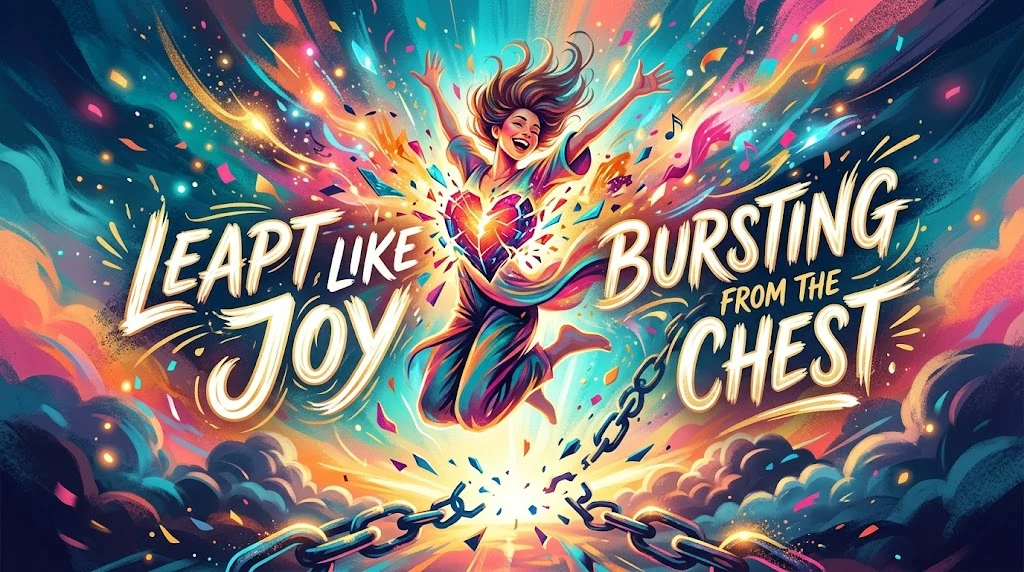
15. Leapt Like Joy Bursting From the Chest
Meaning:
This simile captures an overwhelming, almost physical sense of happiness, one too big to stay contained inside a single feeling or expression.
Usage Insight:
It works well as a closing or climactic image, especially in personal essays, poems, or emotional turning points in a story. Because it’s abstract, it pairs well with concrete details around it for balance.
Examples:
- Relief leapt like joy bursting from the chest the moment the doctor said the surgery had gone well.
- Her laughter leapt like joy bursting from the chest as she watched her daughter take her very first steps.
How to Use Similes Effectively in Writing
Similes are powerful, but only when they’re used with intention rather than scattered in for decoration. Here are a few practical guidelines to help you use them well across different types of writing:
- In poems: Let similes carry emotional weight rather than just description. A single strong comparison, placed at the right moment, often does more than several stacked together.
- In stories: Use similes to reveal character and mood, not just to describe action. A simile can show how a character feels about what’s happening, not just what is physically occurring.
- In essays: Keep similes clear and purposeful, especially in academic or persuasive writing. A well-chosen comparison can simplify a complex idea, but overuse can make formal writing feel unfocused.
- In songs: Favor rhythm and sound alongside meaning, since similes in lyrics need to feel natural when sung aloud, not just read on a page.
- In everyday creative writing: Avoid clichés like “brave as a lion” and instead build fresh, specific images — the fifteen similes above are a good starting point for original, memorable language.
As a general rule, one vivid simile placed carefully will always outperform five vague ones crowded into a single paragraph.
FAQs
1. What does it mean when something “leapt” or “leaped” in a simile?
Both spellings mean the same thing — a sudden, quick jump or surge — with leapt more common in British English and leaped more common in American English. In similes, either word signals fast, energetic movement or emotion.
2. What is the difference between a simile and a metaphor?
A simile compares two things using like or as (“her courage leapt like a flame”), while a metaphor states that one thing is another without those connecting words (“her courage was a flame”). Similes tend to feel slightly softer and more explanatory, while metaphors feel more direct and immediate.
3. Why are nature similes so effective in writing?
Nature similes work well because readers already have strong, shared associations with the natural world — fire, animals, weather, and trees all carry instantly recognizable qualities like speed, strength, or fragility, making comparisons easy to picture.
4. Can similes be used in academic writing?
Yes, in moderation. Academic writing benefits from similes when they clarify a complex or abstract idea, but they should stay precise and purposeful rather than overly poetic, since clarity matters more than flair in formal contexts.
5. How many similes should a piece of writing include?
There’s no fixed number, but quality matters far more than quantity. A few carefully chosen, original similes will almost always make writing more powerful than many generic ones crowded together.
Conclusion
Similes built around leapt and leaped do something few other phrases can: they turn a single moment into something readers can see, feel, and remember. By borrowing the energy of the natural world — deer, flames, salmon, lightning, gazelles — these comparisons give language a pulse, transforming flat description into vivid experience. Trees, animals, weather, and water have always mirrored human emotion, and when writers lean into that connection, their words gain both clarity and depth. Whether you’re writing a poem, a story, an essay, or a song, the right simile doesn’t just describe a feeling — it lets the reader leap into it alongside you.