
A simile is one of the simplest yet most powerful tools in the entire world of figurative language, and once you understand how it works, you start noticing it everywhere. At its core, a simile draws a vivid comparison between two very different things, usually using the words like or as, to help readers feel an idea rather than just read it. Figurative language matters because plain description often falls flat, while a well-placed comparison can make emotions, images, and meanings come alive on the page. Many readers search for hyperbole vs similes because both devices exaggerate or compare in ways that make writing feel more vivid, yet they work through very different techniques.
Trees, in particular, have inspired writers, poets, and storytellers for centuries because they represent so much of what it means to be human. A tree stands tall through storms, grows slowly and patiently, bends without always breaking, and carries deep roots that quietly hold everything together. These same qualities mirror strength, growth, resilience, wisdom, and human emotion in ways that feel instantly familiar to any reader. This article clarifies the difference between hyperbole and similes, then explores fifteen original nature similes that show exactly how comparisons bring writing to life.
Hyperbole vs Similes: What Is the Difference?
Before exploring examples, it helps to understand how these two devices differ. Hyperbole is a deliberate exaggeration used for emphasis or dramatic effect, such as saying I have told you a million times, and it is not meant to be taken literally. A simile, on the other hand, is a comparison between two different things using like or as, such as strong as an oak, and its purpose is to create clear and relatable imagery rather than dramatic exaggeration. In short, hyperbole stretches the truth for impact, while a simile paints an honest picture through comparison. Many writers actually combine both devices in the same sentence, such as saying she waited as long as a tree takes to grow, to create writing that feels both playful and vivid.
What Is a Simile?
A simile is a figure of speech that compares two unlike things using connecting words such as like or as, helping the reader form a clear and often emotional picture in their mind. For example, saying her patience was like an old oak tree standing firm through every storm instantly communicates steadiness and endurance far better than simply saying she was patient. Similes are one of the most common comparisons in literature because they build a bridge between abstract feelings and something the reader can visualize immediately.
Calm as a Pond Untouched by Wind
Meaning:
This simile describes deep inner peace and stillness, especially when someone remains composed despite surrounding chaos.
Usage Insight:
This comparison works well in reflective writing or character moments where quiet confidence needs to feel almost meditative.
- Her expression stayed calm as a pond untouched by wind, even as the room erupted into panic.
- His voice remained calm as a pond untouched by wind while he delivered the difficult news.
Radiant as Sunlight Through Autumn Leaves
Meaning:
This simile represents warm, glowing beauty, often used to describe someone’s joy or a moment filled with quiet wonder.
Usage Insight:
This works well in descriptive passages meant to capture fleeting beauty or a character’s inner glow during a happy moment.
- Her smile was radiant as sunlight through autumn leaves, warm and impossible to ignore.
- The old cabin felt radiant as sunlight through autumn leaves, golden and full of memories.
Unyielding as an Iron Oak in a Hurricane
Meaning:
This simile symbolizes fierce, unwavering strength that refuses to bend even under extreme pressure.
Usage Insight:
This comparison fits scenes of confrontation or resistance, where a character must stand firm against overwhelming opposition.
- He remained unyielding as an iron oak in a hurricane, refusing to compromise his values.
- Their determination stayed unyielding as an iron oak in a hurricane, even as everything around them fell apart.
Nurturing as a Mother Tree Feeding Her Seedlings
Meaning:
This simile represents selfless care and quiet generosity, especially when someone supports others without expecting anything in return.
Usage Insight:
This works beautifully in stories about mentorship, parenthood, or community, where care flows naturally and gently.
- Her guidance felt nurturing as a mother tree feeding her seedlings, patient and endlessly giving.
- The teacher’s encouragement was nurturing as a mother tree feeding her seedlings, helping every student find their strength.
Free as a Dandelion Seed Drifting on the Breeze
Meaning:
This simile captures a sense of lightness, freedom, and letting go, often after a burden has finally been released.
Usage Insight:
This comparison suits moments of liberation or emotional release, particularly scenes involving closure or new beginnings.
- She felt free as a dandelion seed drifting on the breeze once she finally let go of the guilt.
- His mind wandered free as a dandelion seed drifting on the breeze during the long summer afternoon.
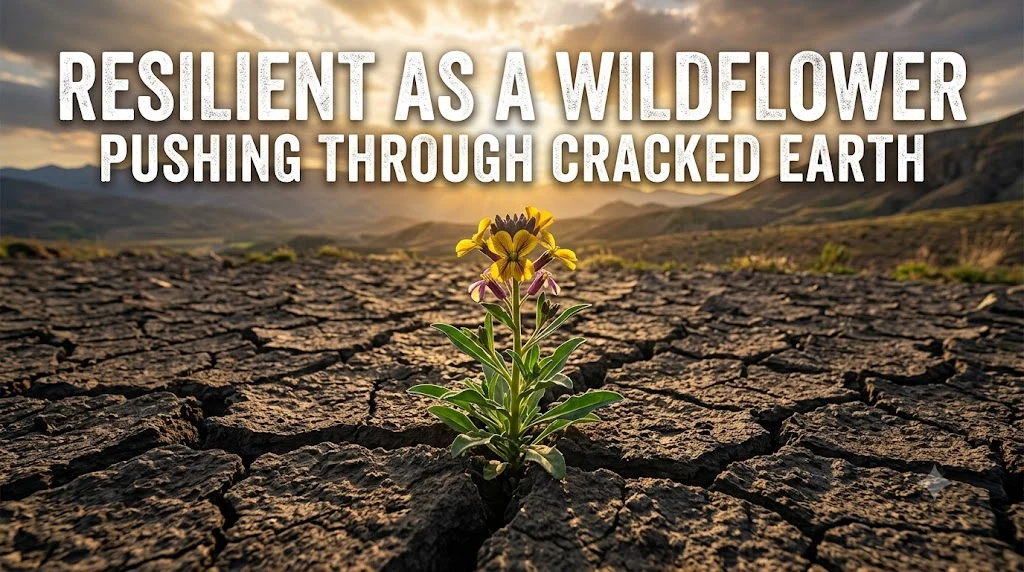
Resilient as a Wildflower Pushing Through Cracked Earth
Meaning:
This simile symbolizes determination and strength found in unlikely or difficult circumstances.
Usage Insight:
This works well in stories about overcoming hardship, especially when someone thrives despite a lack of resources or support.
- Her spirit stayed resilient as a wildflower pushing through cracked earth, refusing to be defeated.
- Their small business grew resilient as a wildflower pushing through cracked earth, thriving despite every obstacle.
Majestic as a Redwood Towering Over the Valley
Meaning:
This simile represents grandeur, confidence, and a commanding presence that naturally draws attention and respect.
Usage Insight:
This comparison fits descriptions of powerful leaders, striking landscapes, or moments meant to feel awe inspiring.
- He stood majestic as a redwood towering over the valley, commanding respect without saying a word.
- The old cathedral looked majestic as a redwood towering over the valley, ancient and undeniably grand.
Gentle as Dew Settling on Morning Grass
Meaning:
This simile represents softness and quiet tenderness, often used to describe kindness or a gentle touch.
Usage Insight:
This works well in tender, intimate scenes where subtlety and warmth matter more than intensity.
- Her touch was gentle as dew settling on morning grass, soft enough to calm his racing thoughts.
- His words felt gentle as dew settling on morning grass, quietly easing her worries.
Vibrant as a Garden Bursting Into Bloom
Meaning:
This simile represents sudden energy, color, and life, often used to describe excitement or renewed passion.
Usage Insight:
This comparison suits uplifting scenes, celebrations, or moments when a character feels fully alive again.
- Her enthusiasm felt vibrant as a garden bursting into bloom after months of quiet routine.
- The festival was vibrant as a garden bursting into bloom, alive with color and laughter.
Steady as Roots Gripping a Riverbank
Meaning:
This simile represents quiet, reliable stability, especially the kind that holds firm despite constant outside pressure.
Usage Insight:
This works well when describing dependable characters or long-term commitment that remains constant through change.
- His support stayed steady as roots gripping a riverbank, unaffected by the passing years.
- Their friendship remained steady as roots gripping a riverbank, holding firm through every storm.
Renewing as Spring Rain After a Long Drought
Meaning:
This simile symbolizes relief and restoration, especially after a long period of struggle or emotional dryness.
Usage Insight:
This comparison fits recovery scenes or turning points, particularly when hope finally returns after hardship.
- Her kindness felt renewing as spring rain after a long drought, gentle and deeply needed.
- The good news arrived renewing as spring rain after a long drought, washing away months of worry.
Towering as a Cedar Reaching for the Clouds
Meaning:
This simile represents ambition and aspiration, especially when someone strives confidently toward a lofty goal.
Usage Insight:
This works well in motivational writing or stories about ambition, where growth feels both steady and inspiring.
- Her dreams felt towering as a cedar reaching for the clouds, bold yet grounded in real effort.
- His ambition grew towering as a cedar reaching for the clouds, impossible to overlook.
Soft as Petals Unfurling at First Light
Meaning:
This simile represents delicate beauty and the quiet unfolding of something new, such as trust or affection.
Usage Insight:
This comparison suits romantic or tender scenes, especially moments describing vulnerability or emerging emotion.
- Her trust in him grew soft as petals unfurling at first light, slow and beautifully genuine.
- Their friendship felt soft as petals unfurling at first light, gentle in its earliest days.
Enduring as a Stone Wrapped in Tree Roots
Meaning:
This simile represents strength shaped by time, showing how endurance and growth can become permanently intertwined.
Usage Insight:
This works well in stories about long lasting relationships or personal growth shaped by years of shared history.
- Their bond felt enduring as a stone wrapped in tree roots, inseparable after decades together.
- His resolve became enduring as a stone wrapped in tree roots, strengthened by everything he had overcome.
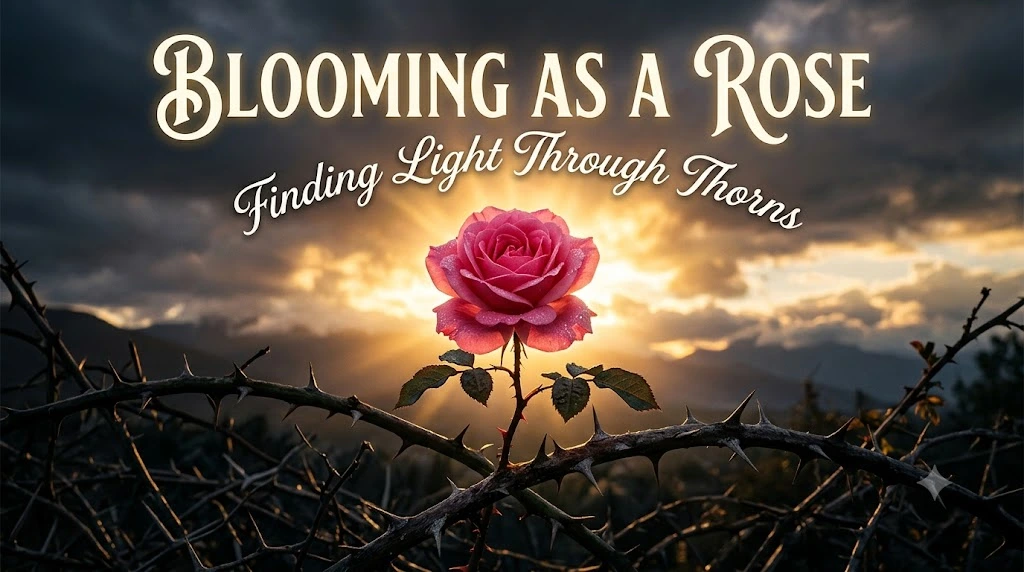
Blooming as a Rose Finding Light Through Thorns
Meaning:
This simile represents beauty and success achieved despite difficulty, showing that growth can emerge even from painful circumstances.
Usage Insight:
This comparison fits stories about personal triumph, especially when someone flourishes after facing real adversity.
- Her confidence kept blooming as a rose finding light through thorns, more radiant with every challenge.
- Their success felt like blooming as a rose finding light through thorns, hard earned and beautifully deserved.
How to Use Similes Effectively in Writing
Similes work best when they feel natural rather than forced, so it helps to choose comparisons that genuinely match the emotion or image you want to create.. For creative descriptions, nature similes work particularly well because they connect abstract emotions to something tangible and universally understood. If you want to add extra emphasis, try pairing a gentle simile with a touch of hyperbole, such as saying her joy was as bright as sunlight and could have lit up an entire city, since the exaggeration adds energy while the comparison keeps the image grounded. Finally, always read your writing aloud, since a simile should sound smooth and effortless, never like it was forced into the sentence.
Frequently Asked Questions
What is the difference between hyperbole and similes?
Hyperbole is a deliberate exaggeration used for dramatic effect, such as saying I could sleep for a year, while a simile compares two different things using like or as to create a clear and relatable image. One stretches reality for emphasis, and the other creates honest imagery through comparison.
Can hyperbole and similes be used together in the same sentence?
Yes, many writers combine both devices for stronger effect, such as saying her laughter was as loud as thunder and could be heard for miles, which uses a simile to compare and hyperbole to exaggerate for emotional impact.
What is the difference between a simile and a metaphor?
A simile compares two things using connecting words like or as, such as strong as an oak, while a metaphor states that one thing is another without using those connecting words, such as saying he is an oak. Both are forms of figurative language, but similes make the comparison more explicit.
Why are similes important in figurative language?
Similes are important because they transform abstract or complex ideas into vivid, relatable images, making writing more engaging, emotionally resonant, and easier for readers to understand.
Can similes be used in academic writing?
Yes, similes can be used in academic writing when they help clarify a complex concept or make an argument more accessible, though they should be used sparingly and remain relevant to the topic being discussed.
conclusion
Understanding hyperbole vs similes helps writers choose the right tool for the right moment, whether they want their words to feel dramatically bold or quietly true to life. The nature similes explored in this article, from roses blooming through thorns to roots gripping a riverbank, show how nature can express emotions that plain words often struggle to capture. When used thoughtfully, similes add clarity, vivid imagery, and genuine emotional depth to poems, stories, essays, and everyday writing. The next time you want your words to feel more alive, look to the trees and the natural world around you, because their strength, growth, resilience, and quiet wisdom have been telling human stories for centuries.