Similes are one of the most beautiful tools in language, helping writers paint vivid pictures with simple comparisons. They allow us to describe feelings, ideas, and experiences by linking them to something familiar. When we say something is “like” or “as” something else, we create a bridge between imagination and understanding. This is why similes are essential in both everyday speech and creative writing.
They bring clarity, emotion, and depth to even the simplest sentences. Nature, especially trees, often inspires similes because of their strong symbolism. Trees represent strength, growth, resilience, wisdom, and deep-rooted emotion, making them perfect for meaningful comparisons. Just like the phrase “same difference,” similes help us explore subtle meanings and contrasts in a relatable way.
What Is a Simile?
A simile is a figure of speech that compares two different things using the words “like” or “as.”
Example: Her voice was as calm as a quiet forest.
This comparison helps the reader feel the peacefulness of her voice by connecting it to nature.
Same Difference Similes: 15 Creative and Meaningful Comparisons
1. Same difference, like two leaves on the same tree
Meaning:
Two things may seem different but are essentially alike.
Usage Insight:
Works well when highlighting subtle similarities.
Examples:
- Their opinions sounded different, but they were like two leaves on the same tree.
- The choices seemed separate, yet they felt like two leaves on the same tree.
2. Same difference, as steady as an old oak
Meaning:
Stability remains despite minor variations.
Usage Insight:
Ideal for emphasizing consistency.
Examples:
- His decisions never changed, as steady as an old oak.
- Whether he spoke loudly or softly, his message was as steady as an old oak.
3. Same difference, like branches reaching the same sky
Meaning:
Different paths lead to the same outcome.
Usage Insight:
Great for philosophical or reflective writing.
Examples:
- Their careers took different turns, like branches reaching the same sky.
- Every argument ended the same, like branches reaching the same sky.
4. Same difference, as clear as morning light
Meaning:
The similarity is obvious.
Usage Insight:
Use when the comparison is undeniable.
Examples:
- The truth was as clear as morning light—they were the same difference.
- His excuses were different words but as clear as morning light.
5. Same difference, like echoes in a valley
Meaning:
Repeated ideas with slight variation.
Usage Insight:
Useful for repetitive patterns.
Examples:
- Their arguments felt like echoes in a valley.
- Each explanation sounded like echoes in a valley.
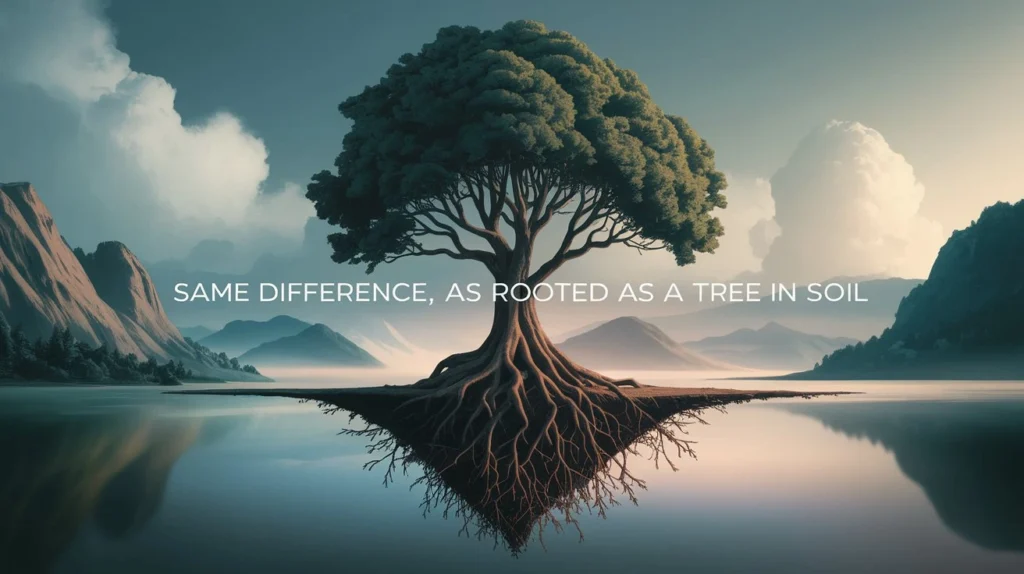
6. Same difference, as rooted as a tree in soil
Meaning:
Deep similarity beneath surface differences.
Usage Insight:
Perfect for emotional or symbolic writing.
Examples:
- Their beliefs were as rooted as a tree in soil.
- Despite changes, their bond stayed as rooted as a tree in soil.
7. Same difference, like ripples on the same water
Meaning:
Small variations from the same source.
Usage Insight:
Works well in descriptive scenes.
Examples:
- Their reactions were like ripples on the same water.
- Each idea felt like ripples on the same water.
8. Same difference, as gentle as falling leaves
Meaning:
Differences are soft and insignificant.
Usage Insight:
Best for calm or poetic tones.
Examples:
- Their disagreement was as gentle as falling leaves.
- The contrast felt as gentle as falling leaves.
9. Same difference, like shadows under the same tree
Meaning:
Variations that share the same origin.
Usage Insight:
Great for symbolic imagery.
Examples:
- Their fears were like shadows under the same tree.
- Every doubt felt like shadows under the same tree.
10. Same difference, as quiet as a forest at dusk
Meaning:
Differences are barely noticeable.
Usage Insight:
Ideal for subtle contrasts.
Examples:
- Their changes were as quiet as a forest at dusk.
- The shift in tone was as quiet as a forest at dusk.
11. Same difference, like petals on one flower
Meaning:
Unique parts of the same whole.
Usage Insight:
Use for unity and diversity themes.
Examples:
- Their ideas were like petals on one flower.
- Each opinion felt like petals on one flower.
12. Same difference, as timeless as tree rings
Meaning:
Differences fade over time.
Usage Insight:
Works well in reflective writing.
Examples:
- Their past conflicts seemed as timeless as tree rings.
- The memory felt as timeless as tree rings.
13. Same difference, like winds through the same branches
Meaning:
Changing forms with the same essence.
Usage Insight:
Great for dynamic descriptions.
Examples:
- Their emotions shifted like winds through the same branches.
- Each reaction felt like winds through the same branches.
14. Same difference, as deep as forest roots
Meaning:
Strong underlying similarity.
Usage Insight:
Ideal for emotional depth.
Examples:
- Their connection was as deep as forest roots.
- The truth remained as deep as forest roots.
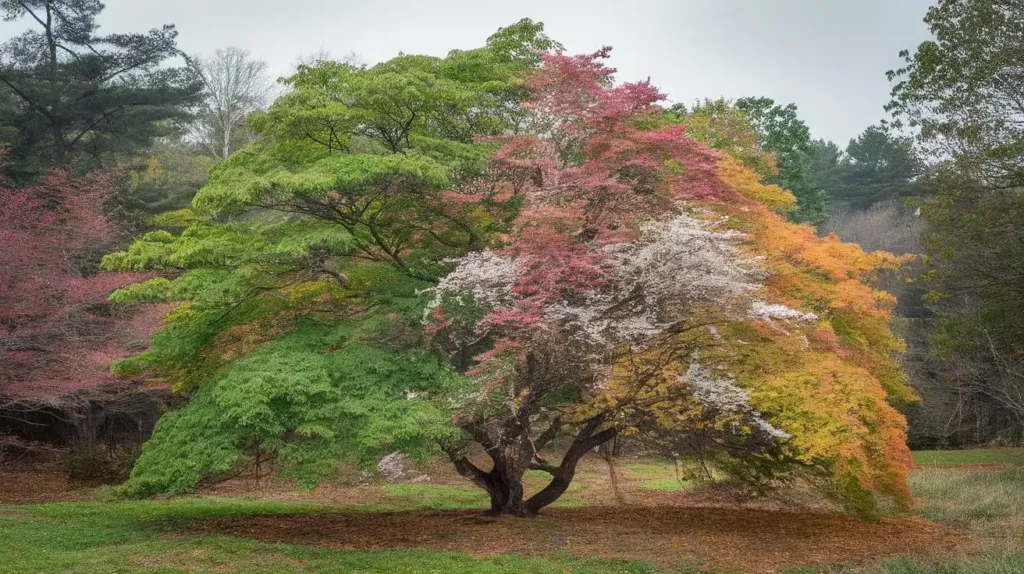
15. Same difference, like seasons of the same tree
Meaning:
Change over time, but the core remains the same.
Usage Insight:
Perfect for growth and transformation themes.
Examples:
- Their lives changed like seasons of the same tree.
- Every phase felt like seasons of the same tree.
How to Use Similes Effectively in Writing
To use similes well, focus on clarity and creativity. In poems, choose natural and emotional comparisons to create vivid imagery. In stories, use similes to reveal character feelings or describe settings in a memorable way. For essays, keep similes simple and relevant so they enhance understanding rather than distract. In songs, rhythmic and relatable similes make lyrics more powerful and engaging. Always avoid overusing similes—too many comparisons can confuse readers. Instead, aim for meaningful, fresh comparisons that add depth and emotion to your writing.
FAQs
1. What does “same difference” mean?
It means two things may seem different but are essentially the same in meaning or outcome.
2. How are similes different from metaphors?
Similes use “like” or “as” to compare, while metaphors directly state that one thing is another.
3. Why are similes important in writing?
They make descriptions clearer, more vivid, and emotionally engaging.
4. Can similes be used in academic writing?
Yes, but they should be used carefully to explain complex ideas clearly.
5. Are nature similes effective?
Absolutely. Nature provides relatable and powerful imagery, especially symbols like trees.
Conclusion
“Same difference” similes remind us that even when things appear separate, they often share deeper connections. Through creative comparisons, writers can reveal hidden meanings, emotions, and truths. Similes inspired by nature—especially trees—add richness, strength, and symbolism to language. They help readers see beyond the surface and feel the depth of ideas. When used thoughtfully, these similes transform ordinary writing into something vivid and memorable. Ultimately, mastering similes allows you to communicate with clarity, creativity, and emotional impact.